
The U.S. Constitution explicitly grants Congress the sole authority “to declare war.” Yet, the conflict in Iran, beginning with the goal of government overthrow, is now in its fifth month. This persistence occurs despite Congress’s lack of authorization. Last month, both houses voted with bipartisan support to terminate the conflict. Why does the situation continue?
Historically, the Constitutional delineation was clear: Congress decides on war declarations. However, in recent decades, U.S. presidents have engaged in military actions without formal declarations of war. These actions often rely on authorizations for the use of military force (AUMFs) or perceived national security threats.
The situation with Iran highlights a significant evolution in the exercise of war powers. Even with Congress voting against its continuation, military operations persist. This raises questions about the role and influence of executive power in contemporary conflicts.
Understanding the reasons behind the ongoing conflict involves considering several aspects:
- Historical Precedents: Past administrations have often bypassed formal declarations of war, opting for military engagements based on security needs.
- Executive Authority: The President’s role as Commander-in-Chief has been a pivotal factor, allowing military actions under various justifications.
- Legislative Constraints: While Congress holds the power to fund or defund military actions, this mechanism can be limited in effect by broader geopolitical considerations.
These elements contribute to the ongoing discussion about constitutional interpretations and their impact on U.S. military engagements today.
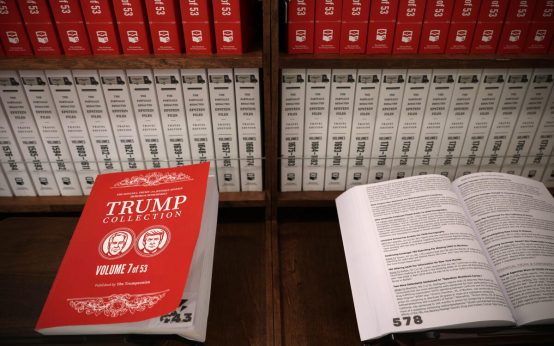 Midterm Elections: A Potential Turning Point
  Andy Burnham’s Approach to Address UK’s Economic Stagnation
 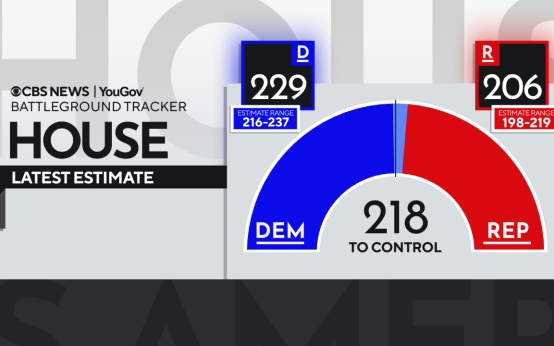 Midterms 2026: Key Insights and Voter Perspectives
  Trump’s Influence on Executive Power and the Response
  George Clooney Observes Democratic Figures Ahead of 2028 Election
  Sen. Cotton Opposes Permanent Daylight Saving Time