
The Supreme Court is set to begin its new term by examining a pivotal case, Suncor Energy v. Boulder County, which could significantly impact the financial stability of major oil and gas companies. The case challenges whether a single state, like Colorado, can dictate environmental regulations that affect industries nationwide.
Colorado’s efforts to manage emissions have sparked a legal battle, questioning the extent of local regulatory power. The outcome of this case could set a precedent for how much influence individual states hold over nationwide environmental policies.
If the Supreme Court allows Colorado’s approach, it might open the door for other states to implement similar regulations. This potential ripple effect could impose diverse and complex standards on companies, impacting their operations across the country. The oil and gas industry could face increased costs and operational challenges as companies strive to comply with varying state regulations.
The stakes are high, as companies argue that such state-level regulations could drive them toward bankruptcy. They emphasize the need for consistent, nationwide standards to maintain economic stability and competitiveness.
This case underscores the ongoing debate over state versus federal jurisdiction in environmental policy. The decision will be closely watched, not just by industry players, but by policymakers and environmental advocates interested in the balance between local authority and national uniformity in tackling climate change.
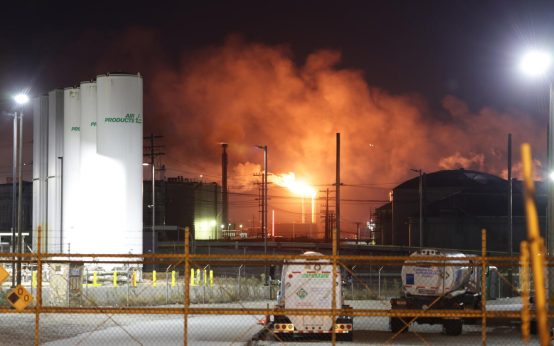 Supreme Court’s New Term Tackles Climate Liability and Key Legal Battles
  Tick Crisis on Martha’s Vineyard: A Growing Health Threat
 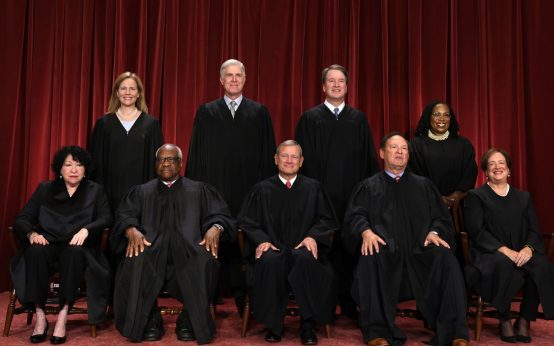 U.S. Supreme Court Tackles Key Issues in New Term
  The Threat of Melting Glaciers: A Call to Action
  Collapse of Hawai’i’s Hōlei Sea Arch Amidst Storms
  Los Angeles Faces Uncommon Heatwave in October