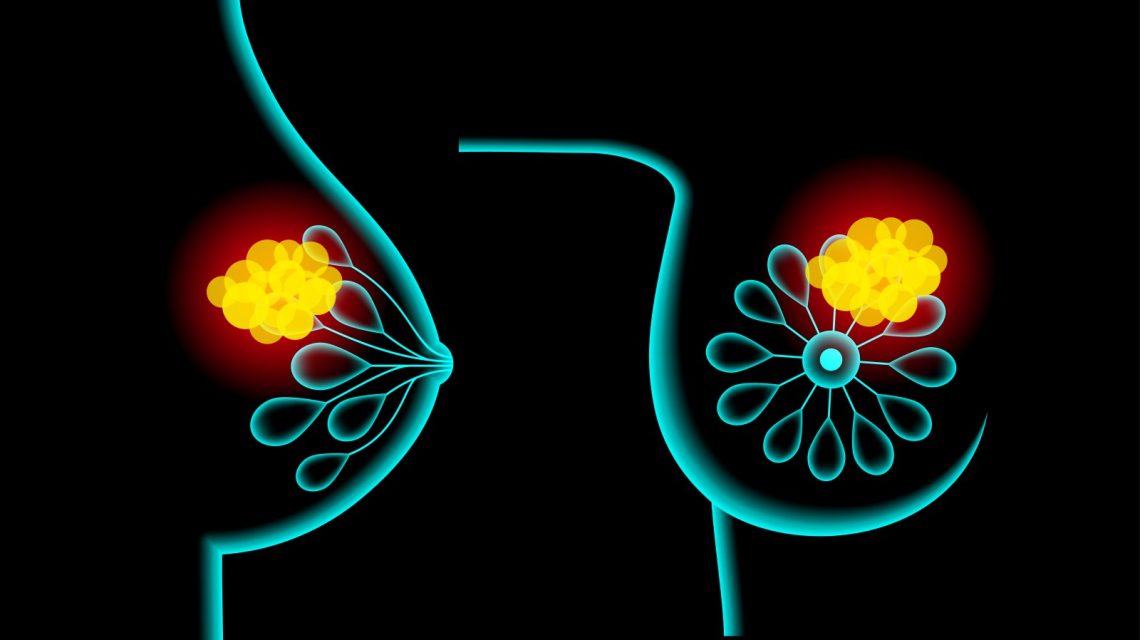
Women with a family history of breast cancer may face higher risks than the general population, even after testing negative for gene mutations. A recent study highlights this concern.
Understanding BRCA1 and BRCA2
Testing for BRCA1 and BRCA2 genes is recommended for women with a personal or family history of certain cancers. The American Cancer Society indicates that hereditary factors account for up to 10% of breast cancer cases.
Women with these gene mutations face a greater likelihood of developing breast cancer, often at a younger age. They are also at risk for cancers in both breasts and other types, like ovarian cancer.
The New Study Insights
Researchers at Cedars-Sinai Health Sciences University led a study suggesting that even without these mutations, women with a family history still face significant risk. Lead author Fahima Dossa notes that while testing positive provides clear risk estimates, those with negative results or variants of unknown significance (VUS) also require attention.
The lack of understanding surrounding future cancer risks for women testing negative but with strong family histories is a gap the study addresses. Their research analyzed health records of nearly 16,000 women in Ontario, Canada, covering data from 2007 to 2016.
Significant Findings
The study revealed that women testing negative for mutations have a 25% lifetime risk of breast cancer. Comparatively, those with a VUS face a 30% risk. The general population has about a 13% chance, according to the National Cancer Institute.
Testing positive for BRCA mutations escalates risk to 30%-70%. Additionally, patients’ family history further influences cancer risk. Women with family members who had breast or ovarian cancer show a 56%-86% likelihood of developing it themselves.
Implications for Prevention
Dossa emphasizes the importance of this data in guiding discussions about risk-reducing strategies. These may include high-risk screening, chemoprevention, and surgery, tailored to personal and family cancer histories.
The ongoing research aims to estimate cancer risk over time and explore potential effects on timing and necessity for preventive surgery.
Future Research Directions
Dossa notes emerging data on BRCA genes and cardiovascular health, considering how cancer treatments like chemotherapy might impact this risk. Investigations seek to verify if BRCA mutations increase cardiovascular disease risks.
Community Reactions
Kotryna Temcinaite from Breast Cancer Now highlights the importance of identifying women at increased risk. She emphasizes the significance of family history in breast cancer assessment, while noting that most cases don’t stem from inherited gene changes.
Regular breast checks, doctor consultations for any changes, and attending screenings when invited remain essential. Simple lifestyle changes like moderating alcohol, maintaining healthy weight, and regular physical activity also help reduce breast cancer risk.
 Crackdown on Fraudulent Obamacare Enrollments
  Voice Disorders Linked to Increased Dementia Risk, Study Finds
  Understanding Misperceptions Around Sexual Violence and Intervention
  Ibogaine Treatment Travel: Americans Seeking Alternatives Despite Risks
  Study Highlights Risks of Borg Consumption on College Campuses
  The Message of Healing and Faith in ‘The Angels Among Us’