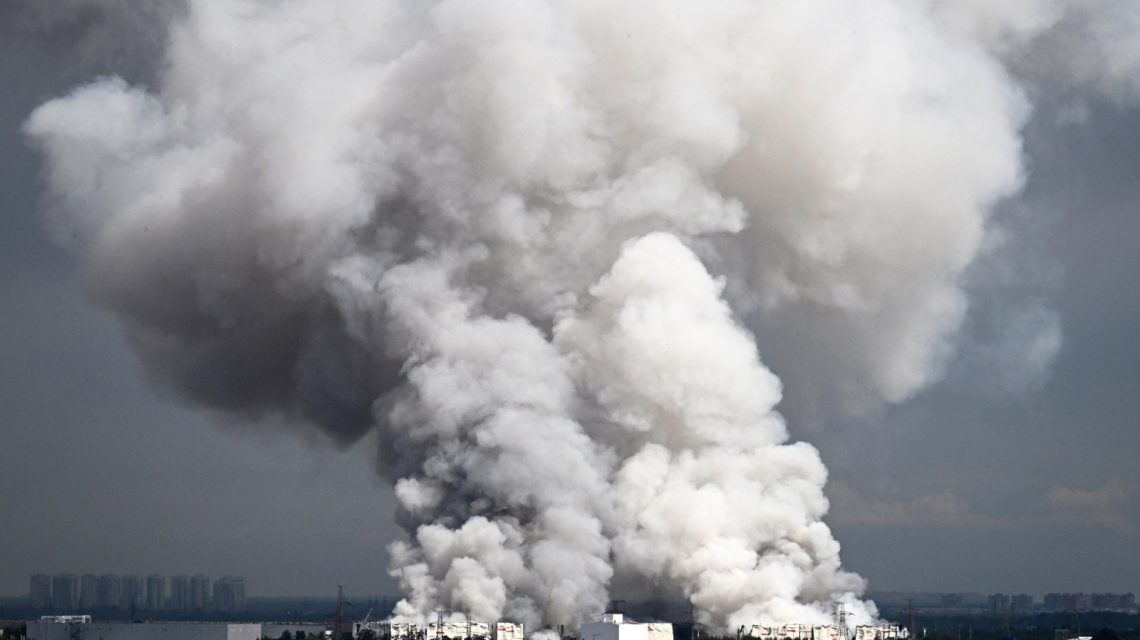
Wildberries, a major Russian online retailer, has faced severe disruption due to attacks on its logistics hubs. Ukrainian drones have destroyed facilities across Moscow, St. Petersburg, Krasnodar, and Simferopol. Over 10% of Wildberries’ warehouse capacity is now lost, requiring around $460 million to rebuild, with product losses potentially reaching billions.
Simultaneously, Ukrainian attacks have significantly reduced Russia’s refining capacity, leading to fuel rationing in over half the country’s regions. This affects a top global energy exporter’s ability to supply fuel domestically.
During Trump’s presidency, contrary to criticisms of his Russia policy, he managed to prevent territorial gains by Putin. Under previous presidents, Russia had annexed territory or fueled conflicts.
Trump’s tenure witnessed no expansion of Russian territory, a contrast fueled by the rapid policy adjustments he implemented. Initially misjudging Moscow, Trump eventually acknowledged Russia’s intransigence and responded accordingly.
Two Key Pillars of Trump’s Strategy
Trump’s approach largely rested on two main policies: one supporting Ukraine and another shifting influence in the post-Soviet space.
The first pillar gave Ukraine freedom in its actions. While Europe financed, the U.S. supplied. Ukraine decided its military targets without U.S. interference, a freedom previous administrations hesitated to grant, fearing Russian escalation. This policy shift led to significant damage to Russian infrastructure.
The second pillar involved expanding U.S. influence where Russia was focused on Ukraine. Trump facilitated peace between Armenia and Azerbaijan, resolving a conflict long maintained by Russia for leverage. He also made strides in Central Asia, with countries like Kazakhstan and Uzbekistan forging closer economic and diplomatic ties with the U.S.
The motivation for these nations aligns with a shared history of Russian intimidation and the recognition of Ukraine’s struggle as pivotal for their future sovereignty. Kazakh leaders have openly criticized the conflict, highlighting their support for a peaceful resolution.
Putin’s decisions, from invasion to maintenance of a kleptocracy, have weakened Russia. The role of an American president lies in either reinforcing or exploiting this decline. Trump chose the latter, capitalizing on Russia’s vulnerabilities.
Today, Russia has reached its weakest state since 1991, with its neighbors forging new paths aligned with Western influence. These developments embody the situation on the ground, despite earlier accusations against Trump’s stance on Russia.
 Heroic Passengers Prevent Catastrophe on Flight 1073
 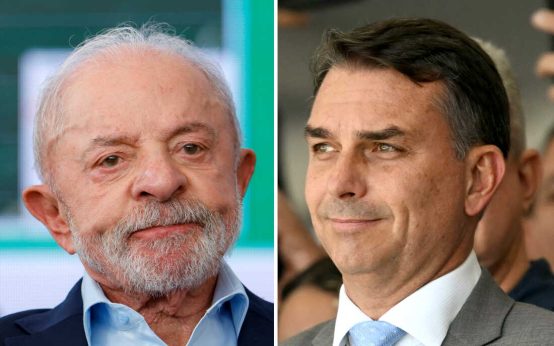 Brazil’s Presidential Race Heads to Runoff
 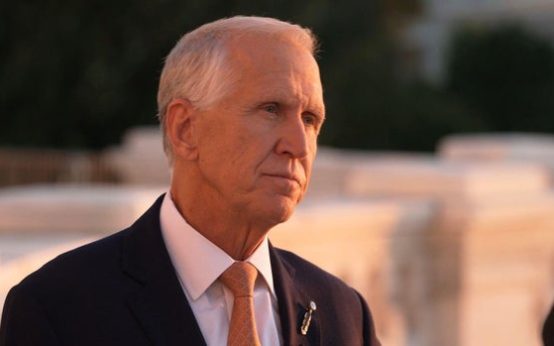 Sen. Thom Tillis Criticizes Trump’s Administration in New Book
 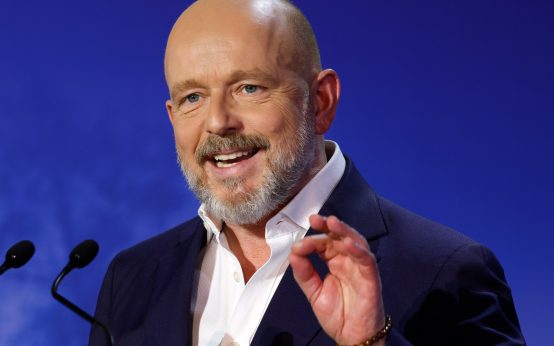 Controversy Surrounds Steve Hilton’s Campaign Ad Amid Gubernatorial Race
  Trump Calls for Probe into Alleged ‘Paid Protesters’
  Donald Trump Criticizes Fox News for Rally Coverage