
One of the biggest primary elections this year is unfolding in Michigan, where two Democratic Senate candidates, Dr. Abdul El-Sayed and Representative Haley Stevens, are competing to define the party’s future. Their ideological differences highlight the party’s division and its potential path forward.
Dr. El-Sayed is a progressive former public health official who supports universal health care and has criticized U.S. military aid to Israel. He spoke with voters in Detroit on Tuesday, confidently promoting his ability to succeed in the general election. Ms. Stevens, a centrist viewed as bipartisan, began her day in Grand Rapids before traveling to Detroit. She accused Dr. El-Sayed of seeking fame over genuine political aspirations.
At stake in this race is the seat of retiring Senator Gary Peters, with the winner defending the seat in a critical battleground state. Former Representative Mike Rogers, the unopposed Republican nominee, awaits the Democratic primary victor in the general election. Democrats are debating which candidate has a stronger chance against Rogers, while maintaining focus on party unity post-primary.
Aside from Michigan, four other states conducted primaries on Tuesday: Kansas, Missouri, Washington, and Virginia, with their own key matchups and outcomes. In Virginia, former Representative Elaine Luria will face Republican Jen Kiggans in what promises to be a competitive House race. The district is known for its military presence, and both candidates are veterans.
“Whether keeping our communities safe, expanding educational opportunities, or improving infrastructure, Rob has consistently put the First District first,” Will Dieterich, Mr. Wittman’s campaign manager on Virginia’s First Congressional District race.
The influence of external financial contributions, particularly from AIPAC, is significant in Michigan’s Democratic primary. Ms. Stevens benefited from about $60 million in outside spending, half of which came from AIPAC’s efforts to bolster her campaign.
In South Dakota, a significant development occurred with Democratic Senate nominee Julian Beaudion withdrawing from the race. His departure allows for an independent contender to challenge Republican Senator Mike Rounds.
Polls have shown Dr. El-Sayed leading by significant margins. Age demographics might become a decisive factor as younger voters favor El-Sayed, while older voters lean towards Stevens. Concerns about electability and the candidates’ political stances, particularly regarding Israel, are central to voter considerations.
“If I don’t get re-elected because of this, that’s OK,” Elaine Luria, reflecting on her political journey.
Tuesday’s primaries are pivotal examples of the strategic dynamics within the Democratic Party and broader electoral considerations.
 Supreme Court’s New Term Tackles Climate Liability and Key Legal Battles
 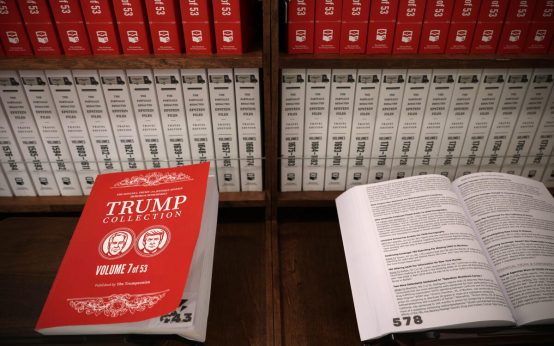 Midterm Elections: A Potential Turning Point
  Andy Burnham’s Approach to Address UK’s Economic Stagnation
 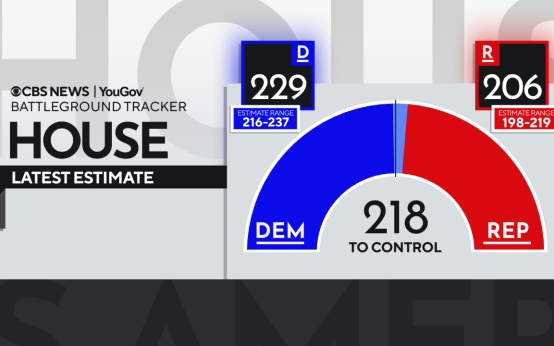 Midterms 2026: Key Insights and Voter Perspectives
  Trump’s Influence on Executive Power and the Response
 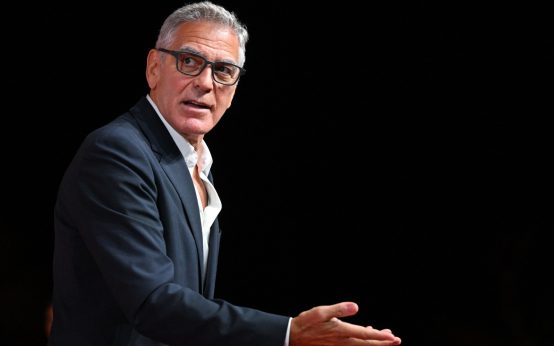 George Clooney Observes Democratic Figures Ahead of 2028 Election