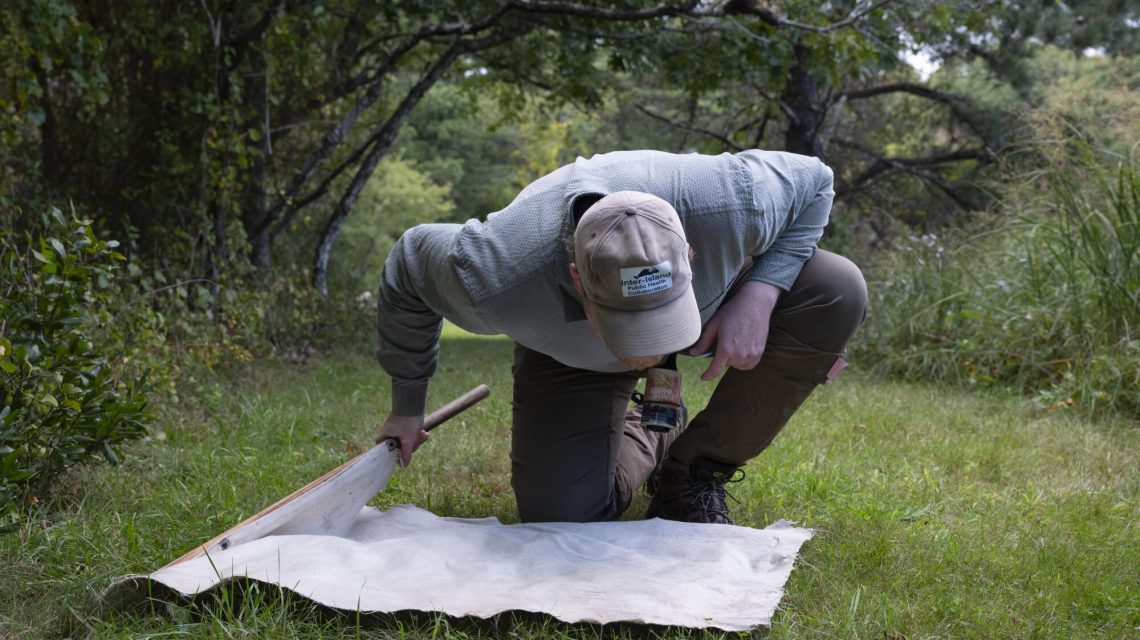
In West Tisbury, Mass., Public Health Biologist Patrick Roden-Reynolds is on the frontline of an emerging health threat. As he drags a white flannel cloth across a yard, he uncovers the extent of tick infestation. Within minutes, he finds 11 tiny ticks and places them on a lint roller. “Ticks are everywhere now,” he observes grimly.
Impact of Tick Bites
The prevalence of lone star ticks on Martha’s Vineyard leads to a significant health concern. These ticks cause alpha-gal syndrome, an allergy to red meat, dairy, and other mammalian food products. This syndrome emerged as a personal reality for many locals. One resident experienced the effects after a tick bite while chopping wood in the fall. Eating foods like hamburgers and ice cream is no longer possible, highlighting the severity of the condition. Symptoms range from itching and hives to severe allergic reactions requiring hospitalization.
The lone star tick spreads quickly, moving from the Southeast to cover areas from Maine to Oklahoma.
Doctors still seek to understand why some immune systems react differently. The allergy remains without a known cure, perplexing both victims and healthcare providers.
Public Awareness and Health Responses
Martha’s Vineyard Hospital reports a sharp rise in positive alpha-gal tests, reflecting a growing health crisis. Since 2020, the cases increased from only two to nearly 700 annually. To tackle this issue, the hospital launched a research project and opened a special clinic for tick-bite victims.
Local restaurants and schools adapt by altering menus to offer more meatless and dairy-free options. Despite these efforts, a solution to the growing infestation problem remains elusive.
The Environmental Challenge
Climate change and a growing deer population exacerbate the tick problem. Lone star ticks have expanded their range due to warming climates, finding suitable hosts in the increasing number of whitetail deer.
Efforts to reduce the deer population involve extended hunting seasons and exploring deer tick management solutions such as tick collars.
Personal Precautions and Community Efforts
Community members take personal precautions, including wearing permethrin-treated clothing and using natural repellents. These measures help minimize tick encounters during outdoor activities.
Roden-Reynolds and other biologists conduct tick surveys to document and understand tick spread, aiding public health strategies.
The story of Martha’s Vineyard reflects an emerging health challenge tied to changing environmental factors, requiring awareness, adaptation, and ongoing research to manage effectively.
 The Message of Healing and Faith in ‘The Angels Among Us’
 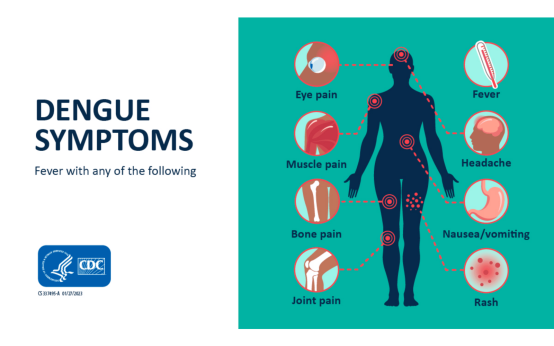 Dengue Fever Surge in U.S.: Florida’s Record Outbreak and Rising Cases Nationwide
  Supreme Court’s New Term Tackles Climate Liability and Key Legal Battles
  Colorado’s Emissions Regulation and Its Broader Implications
  Reflections on Dementia, Ant Warfare, and College Affordability
  Early Detection of Atherosclerosis and Heart Disease Prevention