Following a significant dengue fever outbreak in Florida, described by health officials as the largest in decades in the continental U.S., cases of dengue fever have surged across the country. Recent data from the Centers for Disease Control and Prevention (CDC) reveal an increase in reported cases in at least 15 states, with Florida showing the most notable rise.
Florida Outbreak Continues to Grow
The nationwide increase in dengue cases coincides with Florida’s ongoing battle against a local outbreak that has attracted considerable attention from public health officials. Florida has reported hundreds of dengue infections this year, with many cases being locally acquired. This indicates individuals contracted the virus within the state, rather than while traveling abroad. The outbreak in Florida primarily affects the Tampa Bay region and has led to emergency declarations in several counties.
What Is Dengue Fever?
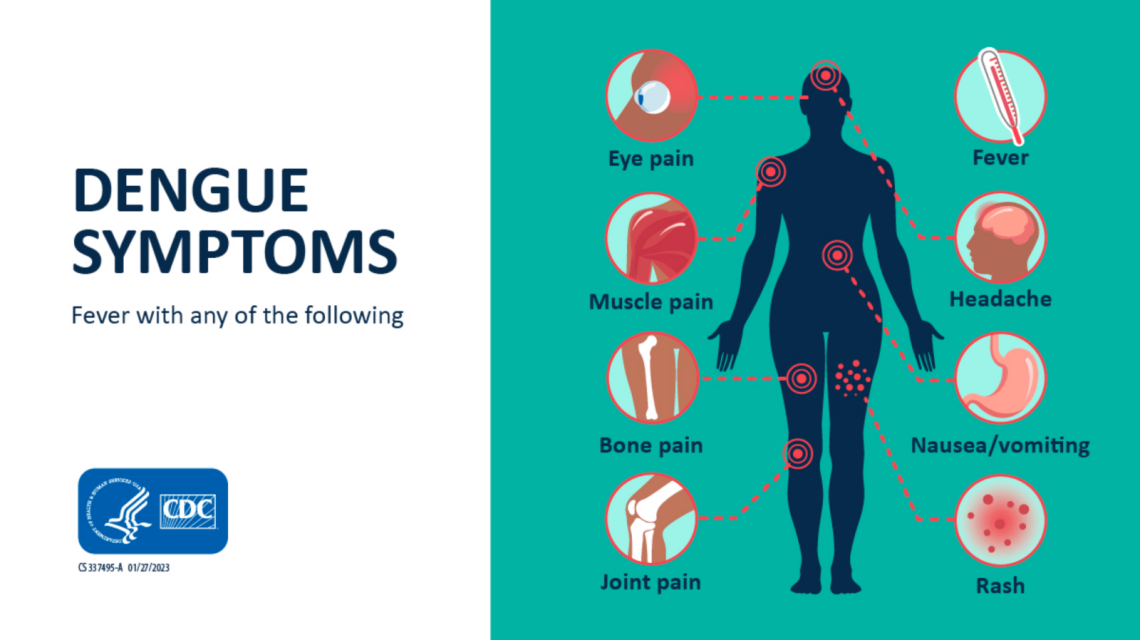
Dengue is a viral disease spread through the bite of infected mosquitoes. According to the CDC, symptoms might include fever, headache, pain behind the eyes, nausea, vomiting, rash, as well as muscle and joint pain. While most infections are mild, and some individuals may remain symptom-free, dengue can escalate into severe dengue. This more dangerous form involves potentially life-threatening complications, such as shock, severe bleeding, and organ failure.
Why Are Cases Increasing?
An increase in dengue cases in the U.S. is linked to various factors. Among them are international travel and the presence of Aedes mosquitoes, carriers of the dengue virus. Dengue is endemic in numerous tropical and subtropical areas. When infected travelers return to the U.S., local mosquitoes may transmit the virus to the community.
CDC Data Show Increases Across Multiple States
The latest CDC data indicates a rise in reported cases since the last update:
- Florida: Cases increased from 392 to 485 (+93)
- California: Cases increased from 31 to 45 (+14)
- New York: Cases increased from 27 to 31 (+4)
- Texas: Cases increased from 14 to 17 (+3)
- New Jersey: Cases increased from 16 to 19 (+3)
- Illinois: Cases increased from 10 to 13 (+3)
- Washington: Cases increased from 16 to 18 (+2)
- Maryland: Cases increased from 11 to 12 (+1)
- Connecticut: Cases increased from 6 to 7 (+1)
- Massachusetts: Cases increased from 10 to 11 (+1)
- Kentucky: Cases increased from 4 to 5 (+1)
- Indiana: Cases increased from 2 to 3 (+1)
- Nebraska: Cases increased from 2 to 3 (+1)
- Colorado: Cases increased from 10 to 11 (+1)
- West Virginia: Cases increased from 0 to 1 (+1)
Overall, these states have seen a collective rise of 130 cases between reporting periods.
What Happens Next?
Health officials advise residents to minimize mosquito exposure by using EPA-registered insect repellents, wearing long sleeves, and eliminating standing water near homes that can serve as mosquito breeding grounds. The CDC’s recent data suggests dengue activity is still high in Florida, with increases in other states. While most U.S. cases are travel-related, Florida’s outbreak shows how quickly local transmission can occur when the virus is introduced to areas with dengue-carrying mosquitoes.
Newsweek is in contact with the CDC for further comments.
 The Message of Healing and Faith in ‘The Angels Among Us’
  Tick Crisis on Martha’s Vineyard: A Growing Health Threat
  Reflections on Dementia, Ant Warfare, and College Affordability
  Early Detection of Atherosclerosis and Heart Disease Prevention
  Tennessee Prison Chief Resigns After Botched Execution
  White House Announces Medicare-Linked Payments for Seniors