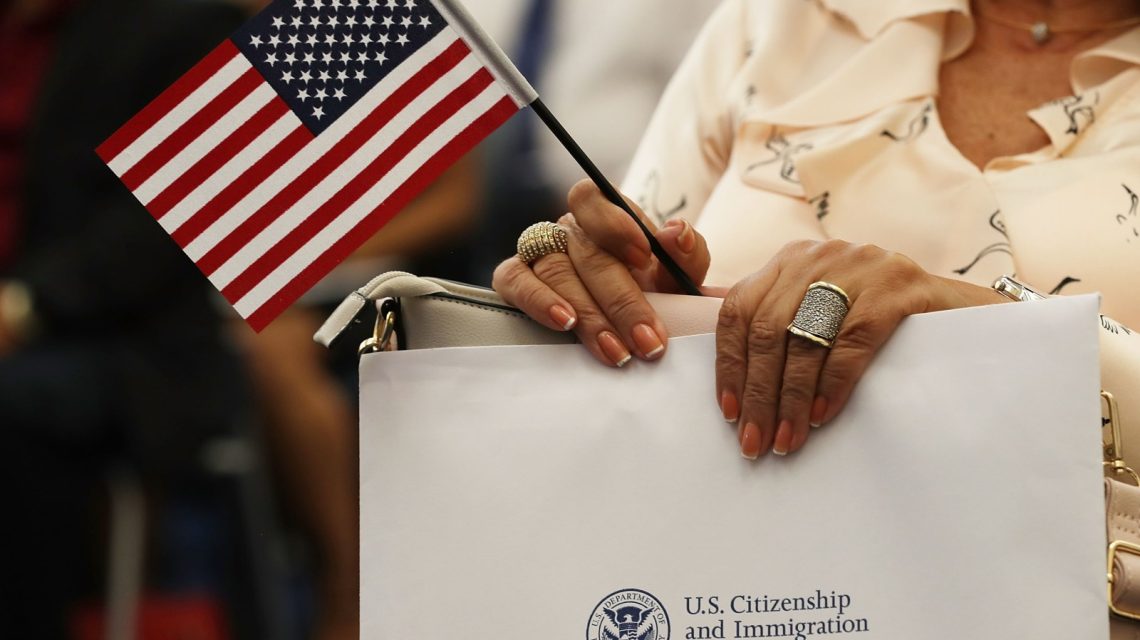
U.S. Citizenship and Immigration Services (USCIS) has updated its policy, now allowing immigration officials to deny applications such as green card requests without first giving applicants a chance to provide missing evidence. Effective from August 5, the policy reinstates officers’ discretion to reject requests if initial evidence is missing or eligibility isn’t demonstrated when filing. This process realigns agency procedures with current federal regulations, impacting both existing and new applications.
USCIS Spokesman Zach Kahler clarified, “U.S. Citizenship and Immigration Services has restored immigration officers’ authority to immediately deny requests that don’t follow guidelines or fail to show eligibility at the time of filing.” The revised policy covers numerous immigration benefits, including green cards, work permits, and citizenship applications. Although officers still retain the option to send Requests for Evidence (RFEs) or Notices of Intent to Deny, they aren’t generally required to before denying applications that lack necessary documentation or a clear eligibility basis.
RFEs serve as formal notices requesting additional documents or clarification before a decision. They traditionally offered applicants a chance to address omissions, avoiding the need to refile. Waypoint Immigration USA partner Stephanie Lewin noted that the change could significantly impact green card applicants, applying to new and pending cases. “If the correct evidence was not submitted two years ago, and the application is adjudicated after August 5, the application could be denied outright,” Lewin explained. “That’s an incredible loss of time and money.”
This guidance marks another alteration in USCIS’s adjudication policy. During President Trump’s administration in 2018, the agency expanded officers’ authority to deny applications without issuing an RFE first. However, the Biden administration reversed this in 2021, directing officers to let applicants correct deficiencies by issuing RFEs or Notices of Intent to Deny before case rejection. USCIS stated that the change intends to reduce incomplete, “frivolous,” and “placeholder” filings, which could hinder processing for other applicants. Some used incomplete filings to obtain related immigration benefits like employment authorization while awaiting their case outcomes.
Additionally, USCIS altered other practices. Officers no longer need to provide the maximum 12-week response period for RFEs, although the regulatory limit remains. They also ended the practice of giving an extra 14 days for responses to notices sent overseas. The standard three-day mailing allowance now applies exclusively.
The agency made clear that if an applicant provides evidence in response to an RFE or Notice of Intent to Deny, even if incomplete, USCIS may view it as a request for a decision based on the current record. Immigration lawyers highlighted the potential serious implications for applicants who unintentionally omit required documents.
Immigration attorney Xiao Wang remarked in a LinkedIn post, “The old policy gave you a second chance to fix a gap. That second chance is now at the officer’s discretion.”
Lewin highlighted the vulnerability of family-based applicants and others filing without legal counsel. Many submit necessary forms but may not include all the supporting evidence. Common omissions include marriage-based green card petitions filed without a valid marriage proof or affidavits of support submitted without required financial documents. She also warned of the policy’s impact on those trying to maintain lawful status post job losses, especially those who filed applications expecting to provide additional evidence during the process. “One missing document could completely upend their immigration journey in the U.S.,” Lewin emphasized.
This policy applies immediately to benefit requests pending as of August 5, 2026, and to new filings made after that date.
 The Trump Team’s Challenge to the Military Leadership
  Maryland First State to Restrict Electronic Pricing in Grocery Stores
  Activists Push for Nationwide Ban on Child Marriage in the U.S.
  Democratic Hopes and Historical Warnings in 2026 Senate Race
  Republicans Face Challenges Amidst Cost of Living Concerns
  A Different Kind of Fall for Congress This Year