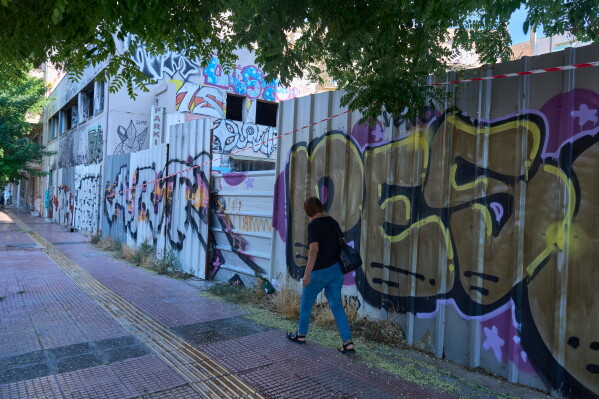
In Epidaurus, Greece, a diverse group of disabled and non-disabled actors recreated Euripides’ ‘The Trojan Women’ at the ancient stone amphitheater. This performance brought attention not to triumphant heroes, but to the suffering they left behind. The production marked a milestone in accessibility, being labeled as the first fully accessible performance in the 2,300-year history of the theater.
While Homer chronicled the warriors’ return from Troy, Euripides focused on the plight of the city’s women left to face exile and enslavement.
The performance at Epidaurus on August 2 ensured inclusivity through various accessibility services. Blind attendees were provided with Braille programs, tactile models, and live audio descriptions. Deaf audience members benefited from overhead titles. Physical improvements increased accessibility throughout the site.
“It’s the first time a performance at Ancient Epidaurus has been made accessible to everyone,” stated Greg Polychronidis, a Paralympic gold medalist in attendance. “Today was a celebration of equality and it should serve as an example for everyone.”
Eirini Kourouvani, a performer using a wheelchair, felt deeply moved by her presence on the sacred stage. She expressed, “It is just grand. I feel my heart opening up as wide as this theater is.” Ioanna-Maria Gertsou, a blind psychologist, was pleased that her guide dog Babu remained composed throughout the event. She remarked on the importance of attending performances on equal terms.
The National Theater of Greece, responsible for the production, collaborated with nonprofit Liminal and received financial backing from Greece’s Alpha Bank to ensure accessibility.
Argyro Chioti, the artistic director of the National Theater, emphasized the need for such inclusive productions to become standard practice. “This was complex, not simple. It required months of planning, investment, and specific organizational expertise. But that’s the level we need to aspire to on major stages and theaters,” Chioti affirmed.
The effort went beyond cost and logistics, representing a commitment to broader inclusion and equal participation in cultural experiences.
 Amir Odom Discusses Departing from the LGBTQ Movement
  Preserving Ken Kesey’s Iconic Bus ‘Furthur’ for Future Generations
  Historical Events in Chicago on October 3
  Martina Navratilova’s Enduring Influence in Tennis and Beyond
 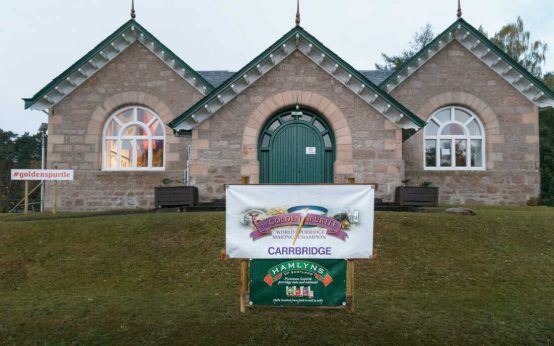 World Porridge Making Championship: A Unique Scottish Tradition
  Readers React to Miss Manners Column