
The question arises: why do Democrats maintain their post-World War II strategies while Republicans chart different paths? Recent developments add layers to this inquiry. A glance at American political history offers insight. Socialist sentiments drew significant urban support in the 1910s, underscored by figures like Eugene V. Debs.
In recent months, victories in New York City by Democratic Socialists of America candidates have stirred discussions. A centrist acquaintance observed my lack of concern over these gains. Indeed, Socialism has historically drawn urban followers, highlighted by Debs’ 1918 speech in Canton, Ohio.
The Democratic Party stands as the current expression of this urban support. This alignment traces back to earlier political movements where the Democratic Socialists found fertile ground, especially in metropolitan areas. Such developments provoke questions about the Democratic Party’s adaptability amid shifting political tides.
 Sen. Cotton Opposes Permanent Daylight Saving Time
  Steve Hilton’s Latino Outreach and Gubernatorial Ambitions
  The Need for Reform in Presidential Nominations
  Controversy Surrounds Performances at Gillette Stadium
 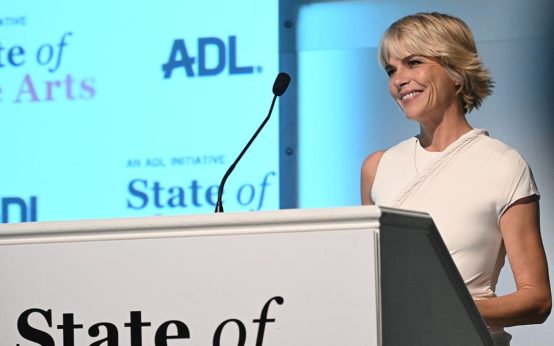 Celebrity Controversies Over Political Activism and Speech
 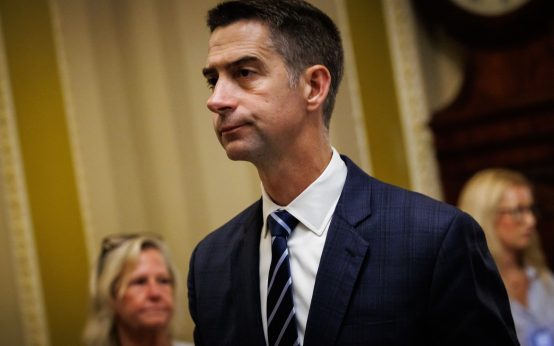 Trump Pushes for Permanent Daylight Saving Time, Sharing Senator’s Contact Information