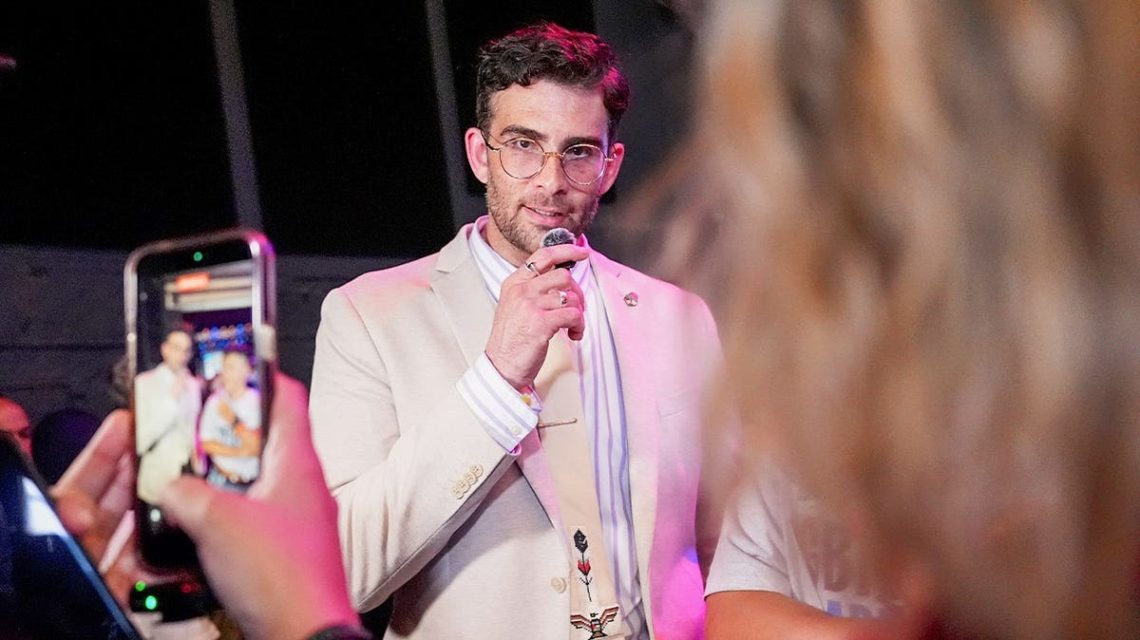
The University of Washington recently canceled a speaking engagement featuring controversial podcaster Hasan Piker. Known as a key figure within the Democratic Party, Piker often speaks out with unconventional views. The university did not make a direct attack on Piker but released a statement indicating a need for updated procedures for university-hosted events. This is meant to elevate dialogue on divisive topics during a polarized time in the country.
In simpler terms, there’s concern about Piker’s past comments, such as America deserving 9/11 or harsh remarks about Israelis and Stalin. These remarks paint him as a risky speaker not easily managed by the university.
Conservative groups, contrastingly, have shown support for Piker’s right to speak, even though the University of Washington stands firm on its censorship consistency. This echoes Piker’s own frustrations, claiming a right-leaning figure like Charlie Kirk or Ben Shapiro would receive broader coverage if faced with similar cancellation.
If this had happened to Charlie Kirk or if this had happened to Ben Shapiro, this would be the number one news story on Conservative media for a month.— Hasan Piker
While Piker enjoys visibility with Democratic campaigners, even some of his closest allies are silent. Notably, Michigan Senate candidate Abdul El-Sayed, a previous host of Piker’s, hasn’t addressed the cancellation publicly. This silence questions why Piker is celebrated at Democratic events but considered too contentious for academic settings.
As liberal supporters distance themselves, conservatives assert the importance of free speech irrespective of political alignment. They believe providing Piker a platform benefits their own narrative. Republicans see an opportunity to spotlight his controversial views during the Michigan race between El-Sayed and Republican Mike Rogers.
Piker is notably influential during primary elections but often subdued during general elections. While he maintains a following, the principal value seems concentrated within primary seasons. If disconnected by the Democratic mainstream, Piker can still leverage his audience to challenge party decisions. However, he remains aligned with party strategies until his polarizing rhetoric is necessary again.
For conservatives, Piker remains a valuable talking point against Democratic ideology. If he’s silenced by his own party, conservative events are likely to welcome him. This allows conservatives to continue critiquing his views and their place within New Democratic policies.
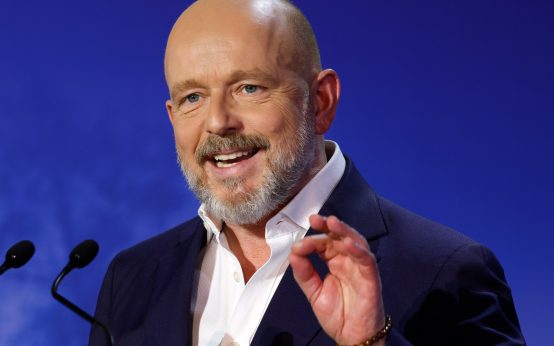 Controversy Surrounds Steve Hilton’s Campaign Ad Amid Gubernatorial Race
 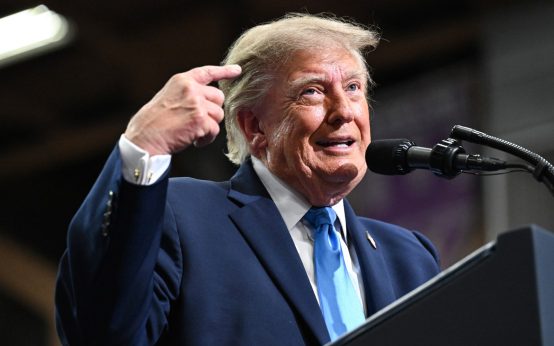 Trump Calls for Probe into Alleged ‘Paid Protesters’
 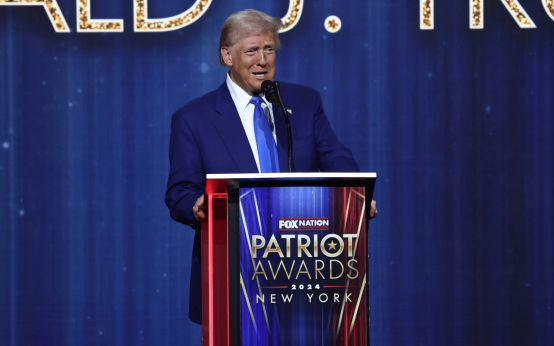 Donald Trump Criticizes Fox News for Rally Coverage
 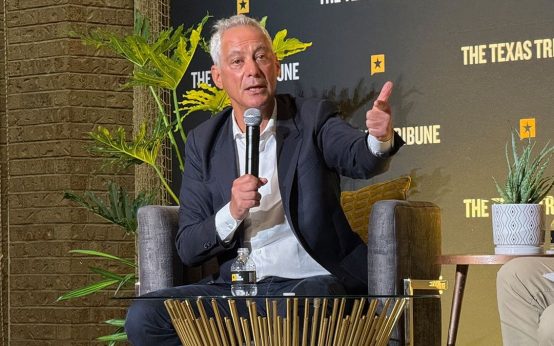 Rahm Emanuel Advises Against Impeaching Trump and Calls for Ethics Reforms
 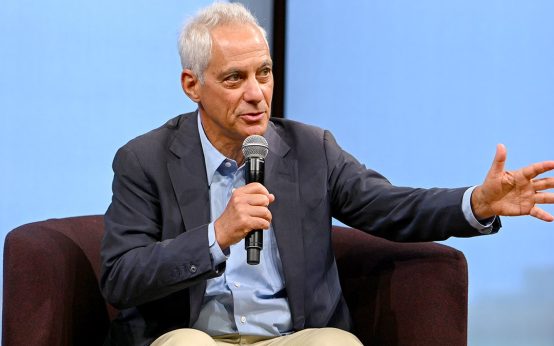 Rahm Emanuel Discusses Potential Presidential Run and Jewish Identity
 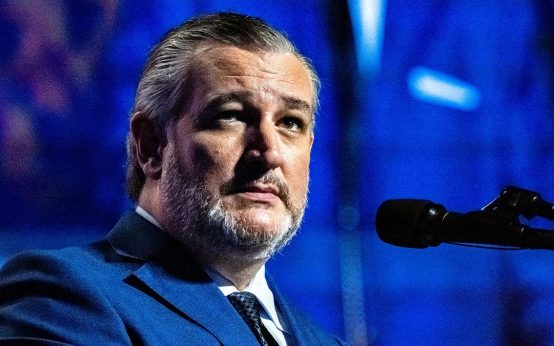 JD Vance’s Influence Grows as 2028 Speculations Arise