
Extreme weather events, such as record-breaking heatwaves and widespread wildfires, highlight the urgent threat of climate change to numerous species, including humans. Many anticipated that these drastic conditions would alter public perception and influence U.S. government policies to reduce reliance on fossil fuels. However, both the Trump administration and a substantial number of Americans continue to resist action.
Despite these challenges, the recent climate extremes present a valuable chance to cultivate and spread impactful messages. This involves using shared moral principles that resonate with climate change skeptics and enhancing education on addressing polarized political discussions. Research suggests that changing attitudes toward climate change is achievable, yet these findings are underutilized in practice.
Studies indicate that merely debunking misinformation with facts does not sway public opinion effectively. However, crafting messages tailored for specific audiences and reframing issues to appeal to these groups can make a difference. Messages encouraging conservatives might emphasize national security, moral purity, and religious stewardship of Earth.
Climate change deniers often assert their right to use fossil fuels freely. Reframing could focus on alternative energy benefits concerning energy and national security, the importance of family welfare for future generations, and nature’s purity as a divine creation. Additionally, effective communication can involve emotional appeals, including highlighting sadness and guilt over the impacts and offering hope through potential solutions.
Communication can provide positive cases and moral reasoning. It can stress that individual short-term benefits of burning fossil fuel are outweighed by long-term detriments to others, future generations’ rights to good health, and justice principles, given that climate change disproportionately impacts poorer populations.
Messaging for evangelical Christians can underscore familiar narratives and values. This group is less convinced than others about the reality and risks of human-induced climate change. However, a significant portion believes in the divine duty to protect the planet.
Biblical narratives like those of Joseph, who planned for famine, and Noah’s Ark, symbolizing the rescue of species from catastrophic flooding, both offer insights. Educators, religious leaders, and policymakers could leverage these stories to shift attitudes and, consequently, climate policies.
Public and educational discourse, encompassing K-12 and higher education, should enhance understanding of moral conflicts through systematic approaches. The field of bioethics provides a framework emphasizing benefits maximization, risk minimization, stakeholder rights protection, and justice. Considering all facts and stakeholders, even those at odds with our views, can facilitate balanced messaging and strategies.
While initial research explores altering public attitudes, additional studies are necessary. Encouraging further investigation by social scientists and students could lead to innovative communication strategies making the urgency of the climate crisis evident.
The recent climate events should inspire novel efforts to communicate the issues rather than lead to despair. Without such efforts, political polarization and climate-related disasters are likely to intensify.
Robert Klitzman, M.D. is a professor of Psychiatry at the Vagelos College of Physicians & Surgeons in the Joseph Mailman School of Public Health and director of the Online and In-person Masters of Bioethics Programs at Columbia University and the author of “Doctor, Will You Pray for Me?: Medicine, Chaplains and Healing the Whole Person.”
 Atlantic Ends September Without a Hurricane for First Time Since 1994
  Bobcat Sightings and Conservation Efforts in Illinois
 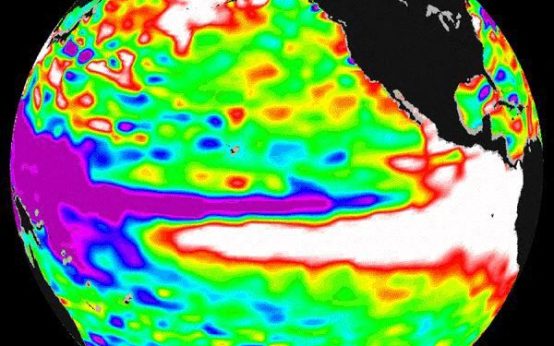 2026 El Niño: A Historical Comparison and Future Projections
  U.S. Records Warmest September in History
  Swiss Glaciers Show Effects of Ice Loss Amid Global Warming
  Climate-Resistant Rock Glaciers: Hidden Water Resources