
A recent report from the administration suggests that limiting provider taxes and state-directed payments may help control the rising costs of healthcare. The report, aligned with Republican proposals, indicates that these changes could lead to a reduction in hospital prices and health insurance premiums for Americans. This development comes as health care remains a significant focus for the upcoming midterm elections.
Democrats have expressed a strong commitment to reversing these Medicaid modifications introduced by the GOP. They argue that such changes may lead to negative impacts on healthcare access and coverage. The party’s leaders have promised to make a persuasive case to voters regarding the potential consequences of the Medicaid alterations.
The administration’s position, as outlined in the report, highlights the hope that the proposed measures will effectively manage cost escalation within the healthcare sector. Supporters of the changes believe that by curbing tax and payment mechanisms, the adjustments will bring about financial relief for consumers facing high healthcare costs. This contention, however, is subject to intense political debate as each side presents its perspective on the best approach to managing healthcare costs.
With the elections approaching, healthcare is likely to remain a critical issue for candidates seeking office. The ongoing dialogue between Republicans and Democrats on how to achieve affordable healthcare reflects broader ideological differences on policy solutions. As voters consider their options, understanding the implications of Medicaid reforms will be crucial in shaping electoral outcomes and the future direction of healthcare policy in the United States.
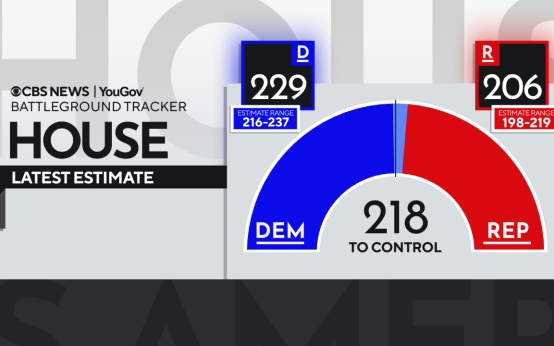 Midterms 2026: Key Insights and Voter Perspectives
  Trump’s Influence on Executive Power and the Response
  George Clooney Observes Democratic Figures Ahead of 2028 Election
  Sen. Cotton Opposes Permanent Daylight Saving Time
  Steve Hilton’s Latino Outreach and Gubernatorial Ambitions
  The Need for Reform in Presidential Nominations