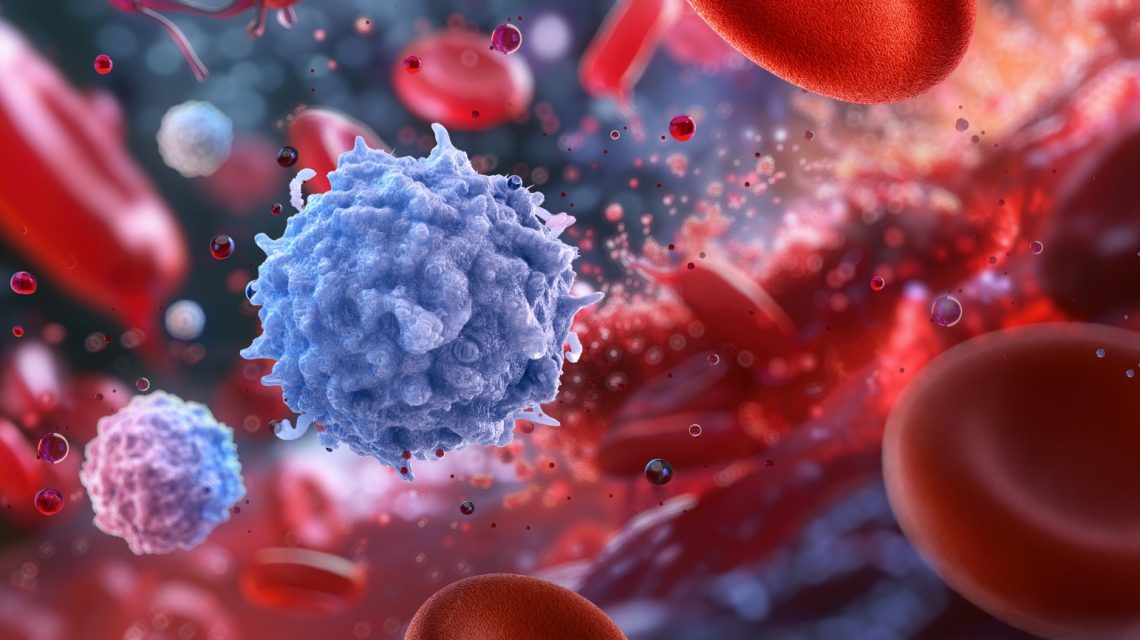
Predictive Potential of White Blood Cells
Scientists have discovered changes in white blood cells that could forecast how melanoma patients respond to treatment. This finding may help physicians identify candidates for immunotherapy in the future. This insight comes from research involving a small sample of 24 patients, indicating preliminary progress rather than an immediate breakthrough.
Role of Blood Cells in Melanoma
Lucy Booth, a PhD student at King’s College London and lead author of the study, highlights the significance of B cells in melanoma treatment outcomes. She stresses the potential for these cells’ studies to address clinical challenges in treating this skin cancer. Booth adds that using blood samples of immune cells from patients offers a less invasive alternative to biopsies.
“For the first time, we have characterized B and T cells together from the blood of patients with melanoma and we found distinct immune features present in patients, indicating potential future biomarkers of disease.”
Melanoma’s Prevalence and Treatment
In the UK, melanoma ranks as the fifth most common cancer. The American Cancer Society expects around 112,000 new cases in the US this year. Early detection vastly improves treatability, yet it remains among the deadliest skin cancers in advanced stages. Conventional treatments include surgery, targeted medications, and immunotherapy, which mobilizes the immune system against cancer cells.
The advent of immunotherapy has improved outcomes for many with advanced melanoma. However, nearly half of the patients do not gain from it, with some suffering significant side effects. Up until now, predicting which patients would benefit most was challenging.
Research Findings
Researchers from KCL, in collaboration with Queen Mary University of London, examined B cells and T cells, crucial in antibody production and cancer cell destruction. The study observed that significant changes in these cells correlated with how well patients responded to treatment.
Patients displaying a reactivation and expansion of B and T cells within six weeks of starting immunotherapy showed better survival rates. Conversely, those with underdeveloped or dysfunctional B cells had worse outcomes. Similarly, patients with a weaker immune response before treatment experienced lower survival rates. Some T cell subtypes were linked to adverse treatment effects.
Observing notable variations in immune cell levels among patients may clarify the differing treatment responses. The study involved analyzing blood samples from 24 patients with stage 2 to 4 melanoma and 25 healthy volunteers, evaluating them at various points before and during treatment using mass cytometry. This process allowed for the detection of rare cell populations and their evolution over time.
Booth describes the goal of integrating blood immune profiling into clinical practice to guide patient surveillance and early intervention.
Reference: Booth, L., Karagiannis, S. N., et al. (2026). “Circulating B cell and T cell activation states predict clinical outcomes in melanoma and reveal dynamic immune reinvigoration with checkpoint inhibitor immunotherapy.” Journal for Immunotherapy of Cancer. DOI: 10.1136/jitc-2026-015585.
 Increased Funding Needed for Psychiatric Hospitals
  Trump Administration Distributes ACA Refund Checks
  Higher Consumption of Ultra-Processed Foods Linked to Increased Health Risks
  Understanding Inflammation: Myths and Facts
  Calm Parenting: Strategies to Manage Stress
  Trump’s Executive Order to Combat Mosquitoes and Ticks in D.C.