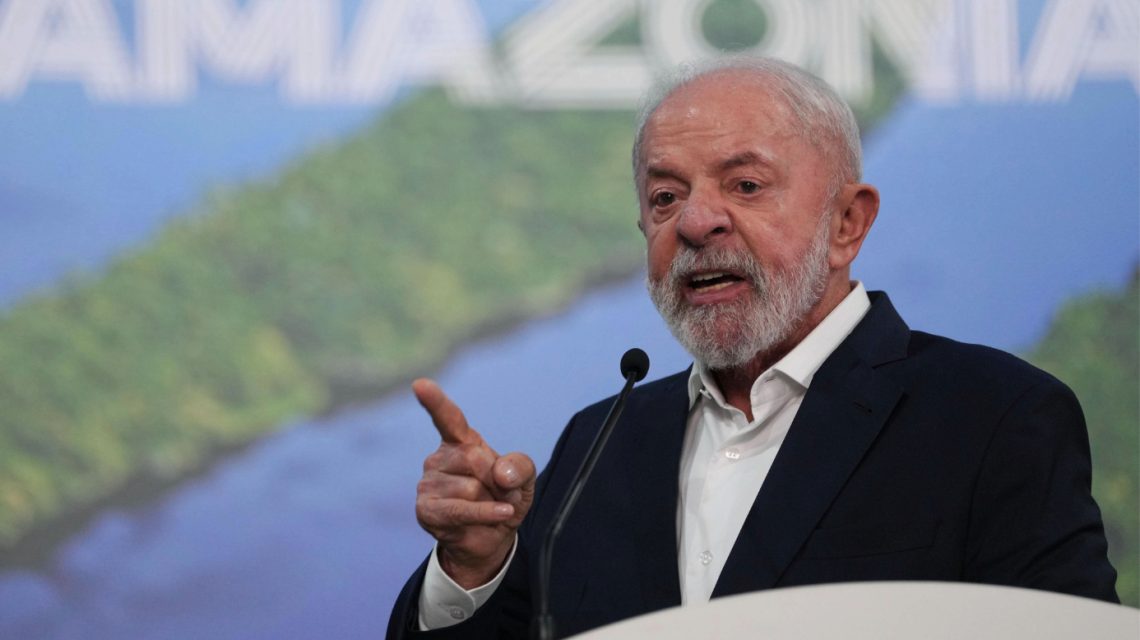
In November 2025, Brazil faces a crucial election, with implications for regional and global politics. The election is an evaluation of President Trump’s recent Monroe Doctrine, which has influenced outcomes in countries like Colombia, Peru, and Honduras. Brazil’s decision could either lean toward the right or continue with the left under President Luiz Inacio Lula da Silva.
Lula’s leadership contrasts with the United States’ approach. While he enjoys popularity due to social programs, his security policies remain a significant vulnerability. The leftist governments in Cuba, Nicaragua, and Venezuela serve as reminders of potential outcomes of continued leftist leadership, complicating Lula’s stance.
In September 2025, President Trump attempted a diplomatic reset with Lula, culminating in a brief meeting expressing good rapport. Unfortunately, this détente was short-lived. By early May, Lula’s visit to the White House was kept private to avoid negative publicity, but the aftermath revealed strain in relations.
In late May, a significant development occurred with Secretary of State Marco Rubio’s announcement of criminal groups Primeiro Comando da Capital and Comando Vermelho as terrorist organizations. This declaration alarmed Lula, suggesting it might justify future U.S. intervention similar to actions taken against Nicolas Maduro.
Further tensions arose in July when Rubio announced 25% tariffs on Brazilian imports. He criticized Lula for not negotiating in good faith, blaming his economic policies for harming both U.S. and Brazilian interests. Lula used this pressure to bolster nationalistic rhetoric, gaining support but facing challenges as regional dynamics shifted against him.
Argentina’s President Javier Milei supported Lula’s opponent, Flavio Bolsonaro, leading to diplomatic conflicts. Lula expelled the Argentine ambassador, impacting bilateral relations crucial to Brazil’s $31 billion trade with Argentina.
Lula’s economic ties with China, his main trading partner, add complexity to the geopolitical landscape. Despite challenges, Lula’s domestic support remains, driven by successful social initiatives in health, education, and housing.
The broader concern transcends Lula’s ideological stance. His close ties with China, Russia, and Iran raise alarms about Brazil’s geopolitical direction. As elections approach, the outcome may determine whether the new Monroe Doctrine can solidify alliances in the Americas or cede influence to global adversaries.
Arturo McFields, an exiled journalist and former ambassador, highlights the stakes involved as Brazil’s elections have profound consequences. The geopolitical tug-of-war adds layers to Brazil’s political future and America’s strategic interests across the hemisphere.
 Sen. Cotton Opposes Permanent Daylight Saving Time
 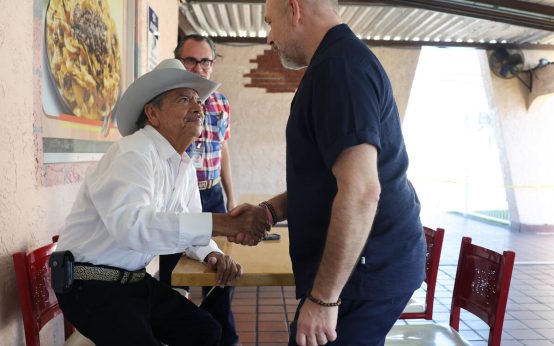 Steve Hilton’s Latino Outreach and Gubernatorial Ambitions
 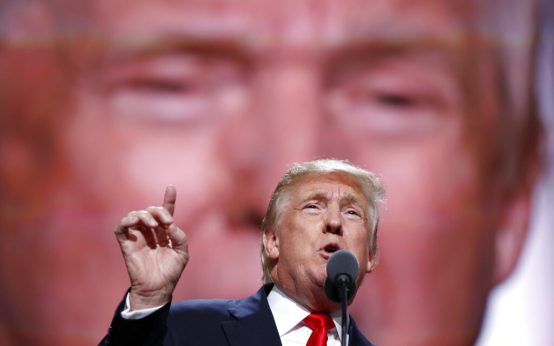 The Need for Reform in Presidential Nominations
 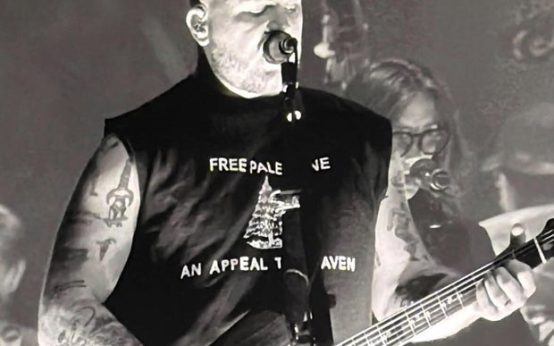 Controversy Surrounds Performances at Gillette Stadium
  Celebrity Controversies Over Political Activism and Speech
  The Threat of Melting Glaciers: A Call to Action