El Niño Strengthens, Offering Drought Relief Hope
An intensifying El Niño has raised hopes for drought relief in the Western United States. Forecasts suggest this climate pattern might rank among the strongest recorded. Experts predict changes in weather patterns across the Pacific and North America. However, the West’s summer weather may not see immediate changes due to El Niño. Its most notable impacts usually appear in late fall and winter, affecting storm tracks, rainfall, and snowpack in the Western U.S.
Continued Effects of El Niño
The influence of El Niño could extend beyond winter. Experts suggest potential impacts on drought conditions, Colorado River supplies, mountain snowpack, and wildfire intensity next year. This offers both benefits and risks based on the region.
Understanding a Super El Niño
The National Oceanic and Atmospheric Administration (NOAA) doesn’t officially use the term “super El Niño” but classifies intense events as “very strong.” Some meteorologists informally call these powerful episodes “super El Niño.” They occur when sea surface temperatures in the central and eastern tropical Pacific rise significantly, influencing global weather.
Forecasters predict El Niño to intensify through fall and winter, potentially becoming one of the most powerful events in decades. Historical strong El Niños occurred in 1982-83, 1997-98, and 2015-16. Although these events differ, stronger El Niños generally alter storm tracks, temperature patterns, and precipitation extensively.
Weather Impacts Timing
El Niño originates in the tropical Pacific, but its U.S. weather influence is more evident in fall and winter. Meteorologists anticipate gradual impacts as the jet stream adjusts and storm patterns shift later this year, with prominent effects from December to February. El Niño doesn’t dictate daily weather, but it changes the probability of certain patterns.
Western U.S. Expectations
A strong or super El Niño favors a wetter, snowier winter for parts of the Western U.S., especially California and the Southwest. More southerly storm tracks can deliver essential precipitation to drought-affected areas, supporting mountain snowpack important for water supply.
Snow Drought Concerns in Colorado and Utah
A strong El Niño raises hopes for a snowier winter in Colorado and Utah after a poor previous season with below-average snow levels. This affected runoff into rivers and reservoirs, worsening summer dryness. With El Niño strengthening, increased snowfall is expected, though not guaranteed. Previous El Niño events shifted the jet stream, affecting snow distribution. Future forecasts depend on Pacific sea surface temperatures and their impact on the jet stream.
Implications for Colorado River Water Levels
A strong El Niño might improve Colorado River water levels and help Lake Mead recover. Continued El Niño influence could boost water levels in subsequent seasons. However, long-term water challenges persist in the Colorado River Basin due to historical overuse and aridification, beyond mere precipitation issues.
“We could have the wettest year on record in the basin, and we would still have a major water deficit in the long run,” said Daniel Swain, a climate scientist. He emphasized potential wet winter conditions in the Lower Basin states.
Wildfire Risks in the Western U.S.
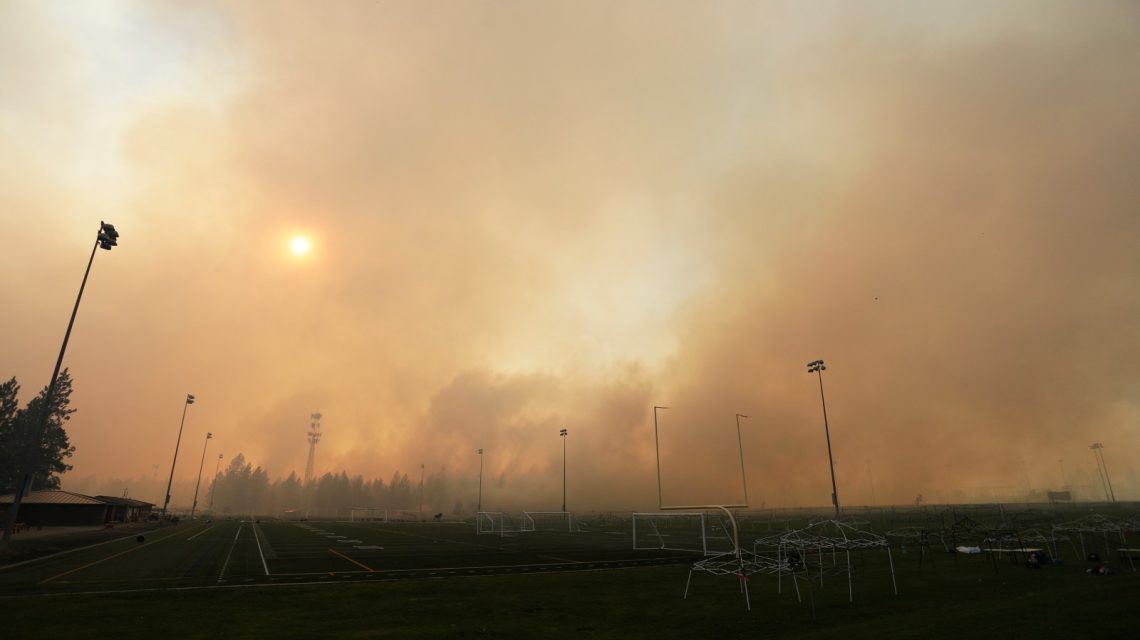
Swain anticipates a wetter winter in the Southwest will likely follow a super El Niño, leading to increased vegetation growth. This can exacerbate wildfire risks if followed by a hot, dry season. The Pacific Northwest, currently facing severe fires, may experience another challenging season next year due to El Niño’s dry fall impact.
Drier conditions typical of El Niño in the Pacific Northwest during winter suggest continued drought in spring. This raises the potential for another difficult fire season.
 Atlantic Ends September Without a Hurricane for First Time Since 1994
  Bobcat Sightings and Conservation Efforts in Illinois
  2026 El Niño: A Historical Comparison and Future Projections
  U.S. Records Warmest September in History
  Swiss Glaciers Show Effects of Ice Loss Amid Global Warming
  Climate-Resistant Rock Glaciers: Hidden Water Resources