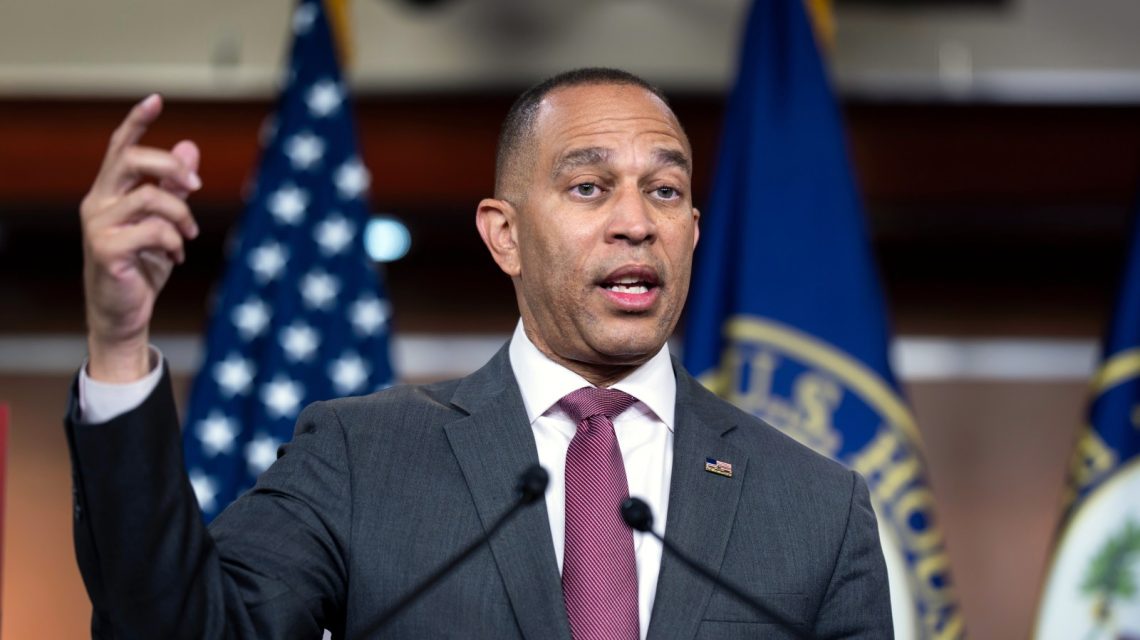
Jeffries Takes Centrist Stance
House Minority Leader Hakeem Jeffries reaffirmed his centralist position on NBC News’ Meet the Press, distancing himself from Medicare for All and the Democratic Socialists of America (DSA) agenda. Jeffries, previously a co-sponsor of the Medicare for All bill, made it clear he no longer backs the single-payer healthcare system. He stated, It’s not legislation that I currently am cosponsoring or that I support.
This stance marks the ideological differences within the Democratic Party as progressive and moderate factions show varied vision leading up to the midterm elections. While figures like Bernie Sanders advocate for Medicare for All, Jeffries’ approach signals a more moderate Democratic strategy.
Policy Priorities and Ideological Separation
Medicare for All, a key element of the progressive strategy, remains critical for many Democrats. Jeffries, however, noted his focus on reducing everyday costs, including groceries, gas, housing, and healthcare. By not supporting DSA’s articulated agenda, Jeffries highlighted the Democratic caucus’s broad spectrum from progressives to moderates.
On immigration enforcement, Jeffries rejected abolishing ICE, preferring substantial reforms instead. He has proposed measures like banning face coverings for agents, expanding body-camera use, and imposing strict enforcement standards near sensitive areas such as schools and churches.
Midterms and Democratic Goals
Jeffries is optimistic about Democrats achieving a House majority by focusing efforts on securing at least 218 seats. His priority remains driving down high living costs for Americans. Jeffries emphasized that too many families are struggling economically despite hard work.
Democratic National Committee Stance
The Democratic National Committee (DNC) has supported both reform and abolishing ICE, showcasing internal party debates. DNC chair Ken Martin highlighted the consensus against current federal approaches to border control.
White House spokeswoman Lauren Bis criticized the resolution to abolish ICE, advocating for acknowledging ICE officers’ contributions. She asserted that President Trump’s efforts to reduce crime were seeing historic results.
Medicare for All: Diverging Views
Medicare for All aims to provide universal coverage by replacing most private insurance with a government-run program, potentially reducing some costs while raising taxes and causing system interruptions. Originated by Sanders and progressive Democrats, the legislation has failed to advance through Congress despite retaining popularity among progressives.
Jeffries emphasized reversing Medicaid cuts and extending tax credits from the Affordable Care Act as means to make healthcare affordable, diverging from Medicare for All support. Although he once sponsored the bill, he has shifted focus under the Democratic leadership.
Contrasting Opinions within the Party
Representative Ro Khanna expressed disagreement with Jeffries, stating Medicare for All as a priority that could save lives and lower costs. Khanna cited a Yale study indicating potential savings and improved wages for workers with its implementation, advocating for a vote on the House floor.
Despite differing views, Khanna acknowledged the importance of dialogue and the need for policies benefiting working-class Americans.
 Sen. Cotton Opposes Permanent Daylight Saving Time
  Steve Hilton’s Latino Outreach and Gubernatorial Ambitions
 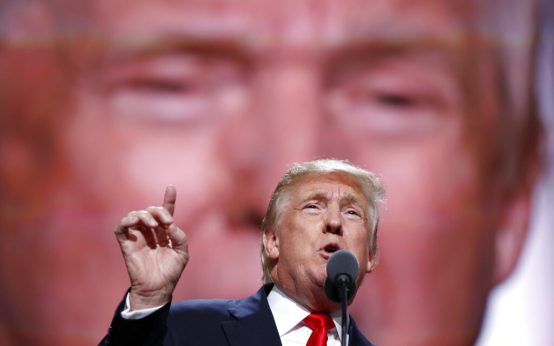 The Need for Reform in Presidential Nominations
  Controversy Surrounds Performances at Gillette Stadium
 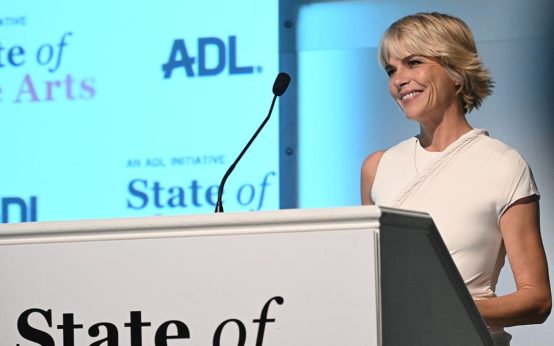 Celebrity Controversies Over Political Activism and Speech
 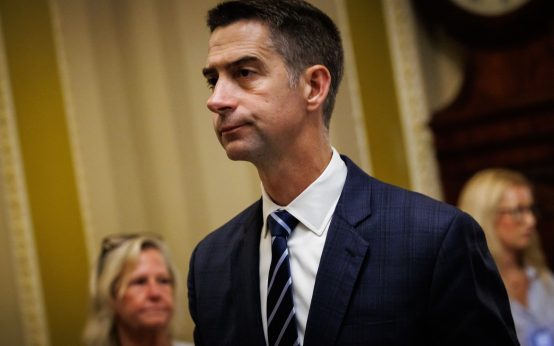 Trump Pushes for Permanent Daylight Saving Time, Sharing Senator’s Contact Information