Introduction of New Legislation
A new bill in Congress aims to introduce a federal tax on electricity used by large data centers. The bill argues that communities should not bear the costs of the artificial intelligence (AI) expansion while technology companies benefit financially. The legislation, named the Data Center Community Reinvestment Act of 2026 (H.R. 10102), was introduced by Representative Andrea Salinas from Oregon on August 13.
Tax Details and Revenue Distribution
The proposed measure would impose a 1-cent-per-kilowatt-hour excise tax on electricity usage by data centers exceeding 1 megawatt of power capacity. The revenue generated from this tax would be allocated to various funds, including those for housing, conservation, environmental cleanup, transportation, and energy-related programs.
Rationale Behind the Bill
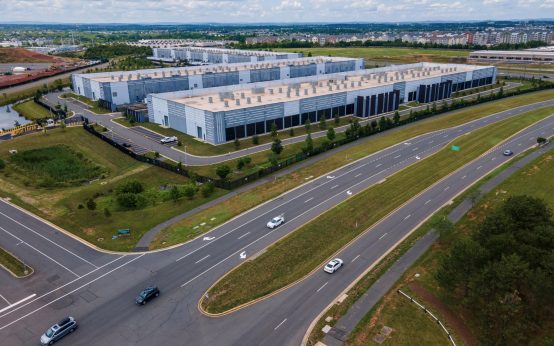
A Department of Energy report released in December 2024 highlighted that U.S. data centers consumed approximately 176 terawatt-hours of electricity in 2023, which was around 4.4% of the nation’s total electricity use. This number is expected to increase to between 325 and 580 terawatt-hours by 2028, potentially rising to 12% of U.S. electricity consumption.
Representative Salinas points out that the expansion of AI is putting pressure on local infrastructure and power systems. She emphasizes the need for data centers to contribute financially to the communities affected by their operations.
As AI use expands and the demand for data centers grows, we need to ensure our communities aren’t left footing the bill,” Salinas stated.
Salinas’ office estimates that the tax could generate about $1.76 billion annually, distributed across several funds, including the Land and Water Conservation Fund, Housing Trust Fund, Hazardous Substance Superfund, Highway Trust Fund, and a new Energy Technology Trust Fund.
Implications for Electricity Bills
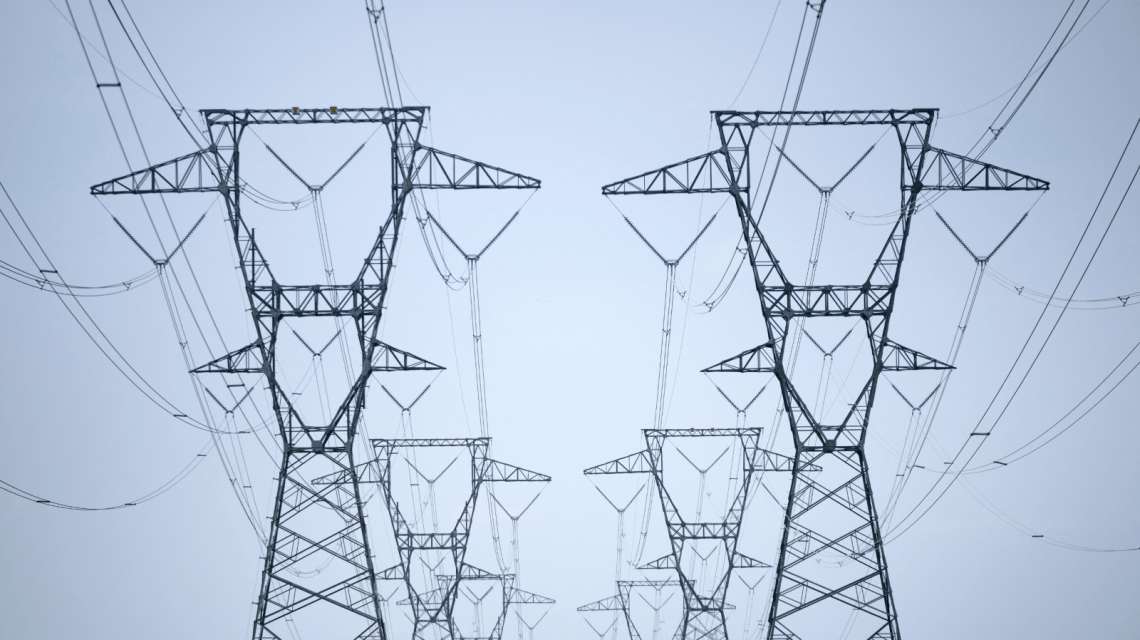
The bill does not aim to reduce Americans’ monthly electricity bills directly. Instead, it seeks to address concerns over the growing strain data centers could place on local electric grids and their potential impact on energy costs for households and businesses.
Supporters argue that communities should not solely bear the costs of the infrastructure needed for AI growth. Requiring large data centers to pay a federal excise tax on their power consumption could help distribute the economic benefits of AI more evenly, ensuring that infrastructure and energy-related costs are not shouldered by communities alone.
Experts note that electricity prices are influenced by various factors, including fuel costs, utility investments, grid conditions, and state regulations. This makes it challenging to predict the legislation’s exact impact on consumers’ power bills. However, it highlights a broader effort to address concerns about rising data center electricity demands.
Related Legislative Efforts
H.R. 10102 is not the only initiative addressing AI infrastructure growth. Last month saw the introduction of the Data Center Water and Energy Transparency Act of 2026, which requires operators to report consumption levels to regulators.
An earlier proposal, the Preventing Rate Inflation in Consumer Energy Act (PRICE Act), mandates specific data centers to generate their own electricity, due to concerns that AI growth might affect consumer energy costs.
At the state level, Virginia recently implemented a tax on data center electricity consumption, requiring eligible centers to pay 1.1 cents per kilowatt-hour.
Future Considerations
The Data Center Community Reinvestment Act is under review by several congressional committees. As discussions continue, the debate over who should bear the energy costs of AI and how communities might benefit from new data centers is expected to become more intense.
 Challenges in Managing Advanced AI Models
  The Risky Foundations of AI’s Economic Impact
  Meta’s Muse AI Assistant Sparks Cybersecurity Concerns
  Keurig Dr Pepper Launches Compostable Coffee Pods to Reduce Waste
  Minneapolis Council Member Faces Criticism Over Autonomous Vehicle Concerns
  Washington’s Reaction to Trump’s AI Self-Regulation Accord and Technology Updates from The Hill