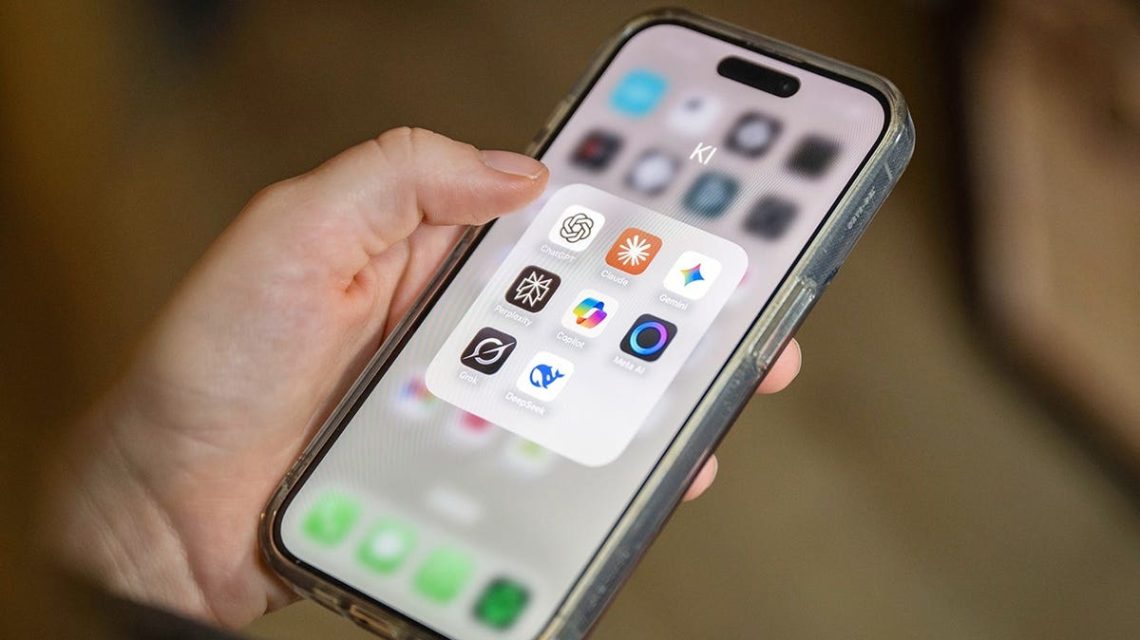
Meta’s Muse AI assistant, with over 3 million downloads for its functionality in canceling unwanted subscriptions, is causing alarm over security and privacy. Liz Peek highlights that users must allow the AI access to personal data like bank accounts, credit cards, emails, and texts for effectiveness. This raises substantial financial security concerns.
Modern AI personal assistants offer to manage tasks across apps and accounts. Instinct and Meta’s Muse are leading this innovation by enabling AI to make phone calls and handle tasks on your behalf. Convenient as that sounds, it begs the question: Are you comfortable with software making decisions in your name?
Meta’s Muse, launched on September 8, is learning to make outbound calls, albeit in limited testing. Instinct, boasting features like phone-call capability and task management across user accounts, initiated its Concierge feature for early-access users. With such utilities, the convenience is evident, yet privacy trade-offs require consideration. Instinct claims users can opt out of data used for AI training, though trained models may retain improvements.
Meta ensures Muse operates within a secure virtual environment. Users have control over Muse’s access levels, and there are measures like audit trails and one-time card numbers for transactions.
Trust and control are paramount when allowing AI to speak and act on your behalf, especially when handling sensitive information. Privacy settings should be reviewed regularly. Then, before trusting your AI with significant data, the following precautions can be taken:
- Start with low-risk tasks to test AI capabilities without significant risk.
- Regularly verify what the AI can access and remove redundant service connections.
- Be cautious with sensitive information such as financial credentials or personal IDs.
- Enable approval mechanisms for crucial actions like purchases.
- Review AI actions to ensure tasks were completed as intended.
- Understand the difference between disconnecting and deleting data from AI services.
- Exercise extra caution with financial and health-related calls.
- Reassess privacy settings after feature updates or policy changes.
- Enhance security for accounts linked to AI through unique passwords and two-factor authentication.
- Protect connected devices with robust antivirus software to avoid malware risks.
AI agents can simplify tasks such as handling reservations or account issues but may introduce privacy and error risks. As these technologies evolve, vigilance over permissions and potential errors remains important, particularly regarding sensitive data handling.
 Challenges and Dilemmas in the Age of Deepfakes
  Florida TikTok Creator Faces Charges for Alleged Cyber Crimes
  National Security Push Faces Local Resistance in Data Center Expansion
  AI Regulation Debate Intensifies Amid Tech Leaders’ Warnings
  Jay Clayton Appointed as White House AI Czar
  Addressing the Growing Threat of AI-powered Scams and Deepfakes