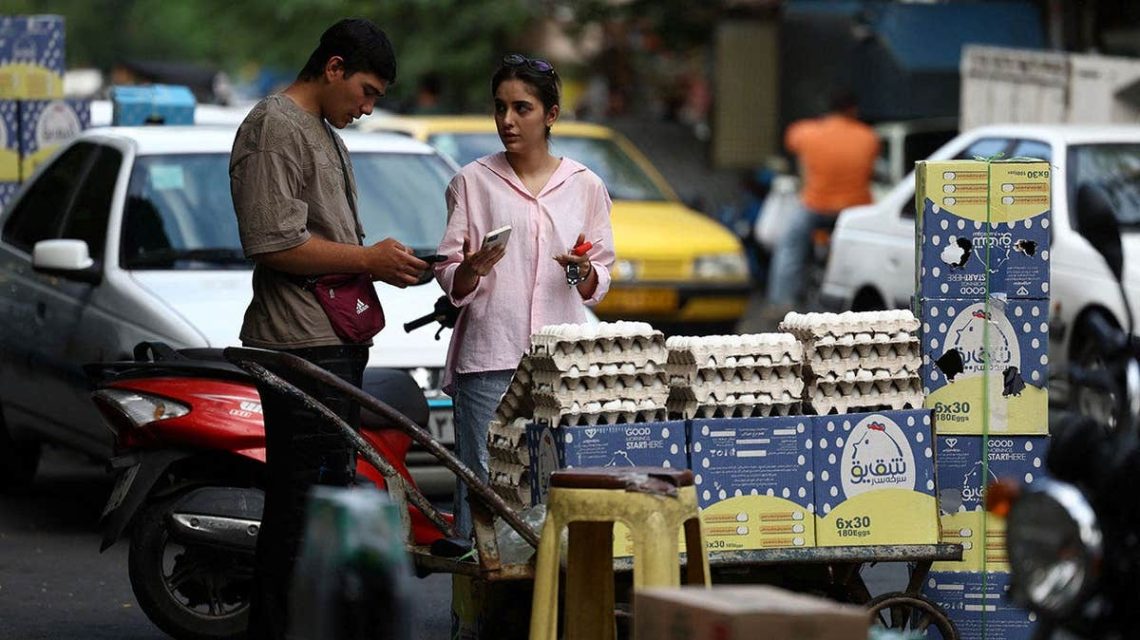
The deadline for the United States and Iran to reach a final agreement expired without a deal on Monday, increasing tensions between the two nations. President Trump expressed a firm stance toward Tehran and signaled further economic measures. In an interview with Fox News, Trump stated, ‘They should put up the white flag of surrender.’ He also mentioned an ongoing direct channel with Iranian officials from the Islamic Revolutionary Guard Corps.
A previous memorandum between Washington and Tehran aimed for a deal within 60 days with a possible extension. However, disputes over control of the Strait of Hormuz disrupted progress. Trump declared the agreement ‘over’ earlier this month, and Tehran suspended it soon after.
Economic Pressure and Global Implications
The Strait of Hormuz plays a crucial role in global energy supply, as one-fifth of the world’s oil and liquefied natural gas transit through it. The United States hopes to convert military pressure into political gains by financially straining Tehran. Markets are monitoring implications for U.S. fuel prices and global energy supply.
Bessent stated, ‘Watch this space for more announcements coming next week because we are going to apply measures like never seen in the history of economic isolation of a country.’
The situation pressures Iran’s economy, reducing oil shipments from 1.8 million barrels per day to less than 500,000 barrels recently, based on Treasury data. The International Monetary Fund projects a 5.4% contraction in Iran’s economy.
Impact on Iran
According to former Treasury sanctions analyst Miad Maleki, economic conditions in Iran are severe. Inflation and decreased oil revenue hit the economy hard. Iran’s Statistical Centre reported a significant rise in consumer and food prices over the past year, placing economic stress on Iranian citizens.
Maleki noted that current sanctions differ due to combined financial restrictions and physical blockades. He referred to a 2019 incident when increased gasoline prices spurred national protests involving roughly 200,000 citizens. Fear of unrest prevents Tehran from further raising fuel prices.
Challenges for Tehran
Maleki highlighted that the regime’s strongest networks, linked to the IRGC and supreme leader, might absorb economic pain better than ordinary Iranians. Pressure might push ‘tactical concessions’ but significant changes depend on whether these networks feel the financial strain.
As further sanctions may not be legally feasible, enforcing existing restrictions against foreign contributors is crucial. These elements might include Chinese refineries or Hong Kong traders who help Iran circumnavigate financial pressure.
The shortfall in oil exports suggests that Iran may face more fiscal strain in the forthcoming months as economic cycles catch up with sanctions. Tensions persist without a finalized deal, and Iran might elevate military actions if their demands remain unmet.
 Heroic Passengers Prevent Catastrophe on Flight 1073
  Brazil’s Presidential Race Heads to Runoff
  Israeli Prime Minister Calls for Comprehensive Security Review of Civil Flights
 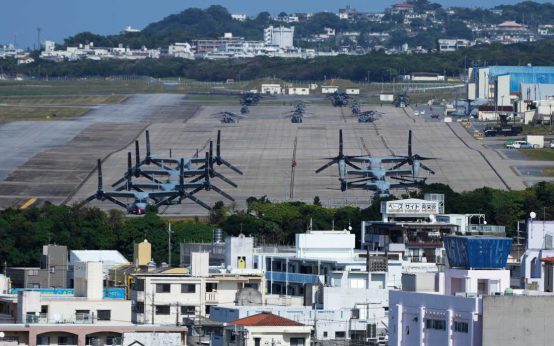 U.S. Marine Arrested in Okinawa for Alleged Murder and Robbery
 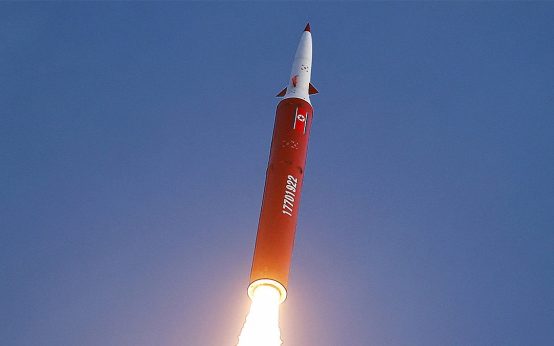 North Korea’s Missile Test and Its Implications
  Israel and Ireland Soccer Teams Display Tension in Nations League Match