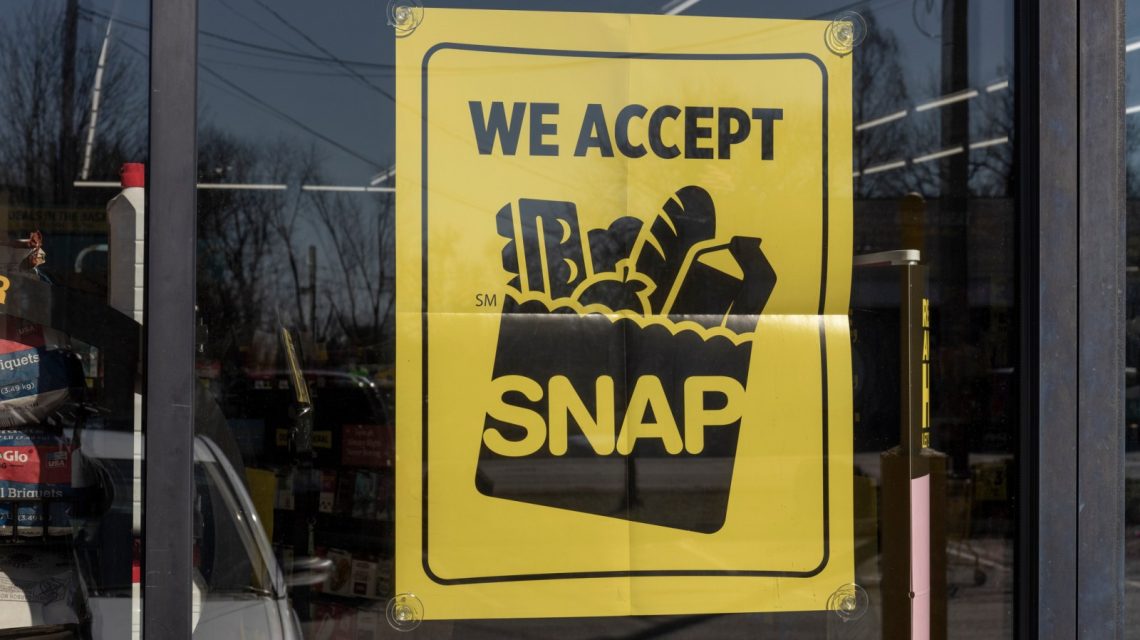
Millions of Americans will soon receive their September SNAP benefits. Distribution dates differ by state. The USDA oversees the SNAP program federally, while states manage daily operations.
SNAP Program Overview
SNAP, often known as food stamps, aids low-income households with monthly food assistance. Over 37 million individuals benefit from this program nationwide. Payments are processed via electronic benefit transfer (EBT) accounts. Recipients use an EBT card for eligible grocery purchases at approved retailers.
SNAP Payment Details
The federal government sets maximum monthly benefits, tied to USDA’s Thrifty Food Plan costs. In fiscal year 2026, the monthly maximums are:
- $298 for one person
- $546 for two people
- $785 for three people
- $994 for four people
Higher benefits are provided in Alaska, Hawaii, Guam, and the U.S. Virgin Islands.
In April 2026, approximately 37 million people in over 20 million households received SNAP. The average benefit was $186.87 per person or $342.80 per household, with nearly $7 billion in total benefits issued.
SNAP Distribution Process
SNAP benefits, while federally funded, are administered by states, which determine issuance schedules. Benefits are usually deposited monthly into EBT accounts. There is no uniform national payment day. Some states issue benefits all at once, like Rhode Island, which does so on the first of each month. Other states stagger payment dates to manage distribution more evenly.
For example, in California, CalFresh benefits are deposited during the first ten days based on the final digit of a recipient’s county case number. Connecticut issues payments from the first to the eighth, according to the last two digits of the client ID.
SNAP Payment Dates for September 2026
The following is a list of states and their SNAP payment schedules for September 2026:
- Alabama: September 4 to 23
- Alaska: September 1
- Arizona: September 1 to 13
- Arkansas: September 4 to 13
- California: September 1 to 10
Recent News on SNAP
SNAP enrollment has seen a significant decline since the beginning of President Trump’s second administration on January 20, 2025. Enrollment decreased from 42.82 million to 37.01 million by April 2026, a 13.6% drop. This decrease coincides with the enactment of the One Big Beautiful Bill Act on July 4, 2025.
This law expanded SNAP’s time-limited work requirement. Affected adults must work or engage in qualifying activities for a minimum of 80 hours monthly to receive benefits beyond three months in a three-year period. The law broadened the requirement from adults aged 18 to 54 to those up to age 64, also impacting parents with children aged 14 or above. Exemptions for veterans, homeless individuals, and some former foster youth were removed.
Contact Newsweek editors Ben Kelly and Shakeema Edwards for more information on this story.
 Early Detection of Atherosclerosis and Heart Disease Prevention
  Church Attendance Linked to Increased Sexual Satisfaction for Married Couples
  Dining with Loved Ones May Benefit Blood Sugar Levels
  Urgent Need for Action in East Africa’s Food Crisis
  Facing Terminal Illness: Embracing Life’s Moments
  Eating with Partners May Impact Blood Sugar Regulation