
Amazon has announced plans to expand its drone delivery service to nearly 500 U.S. cities by the end of this year. This expansion could enable millions more customers to receive lighter packages via drones in as little as 30 minutes. Currently, the drones can carry packages weighing up to 5 pounds.
This move is expected to heighten the competition between Amazon and Walmart, both striving to offer the fastest delivery times to consumers. While these companies rely on a combination of drones and drivers, the aim is not solely to reduce costs by replacing human deliverers. Instead, the focus is on providing quicker deliveries to attract more customers.
“It’s still an experiment. It’s still in test and learn mode,” commented Sucharita Kodali, a retail analyst with Forrester.
Amazon’s new plan would significantly expand the reach of its drone delivery service, particularly in suburban areas away from large buildings and airports. While no specific number of sites was disclosed, key metro areas like Chicago, Atlanta, Cleveland, and Boise are included in the expansion plan.
Although Amazon’s drones have delivered hundreds of thousands of packages this year, they still account for a minor fraction of overall deliveries. Challenges such as tree coverage, landscaping obstacles, and regulatory hurdles need to be addressed in each community where drones operate. Noise concerns also add to the complexities.
Amazon founder Jeff Bezos first introduced his vision for drone deliveries over two decades ago on “60 Minutes,” showcasing the enduring difficulty in bringing the service to fruition. Kodali noted that while the expansion plan is ambitious, many of the 500 targeted locations are small towns near one another, and their impact on sales is uncertain.
Walmart also provides drone delivery in over 75 stores across several states. Partnering with Wing, Walmart intends to expand its drone delivery to 150 more stores, aiming for 270 locations by 2027. The company declined to comment on Amazon’s announcement, given its proximity to an earnings report.
Initially, curiosity might drive consumers to order via drone, but the long-term usage remains unclear. Amazon is still working out the financial aspects of drone delivery, making it free for Prime members ordering goods over $50, with smaller fees for lesser amounts, and for non-members.
With companies like DoorDash also exploring drone deliveries for lightweight items, drones may find a niche in urgent deliveries, such as prescription medications. In his annual letter, Amazon CEO Andy Jassy outlined that Prime Air now has a scalable design and plans to serve 30 million customers by year’s end, aiming to deliver half a billion packages in under 30 minutes by the decade’s close.
Amazon continues to grow its warehouse and fulfillment center networks, aiming for faster package deliveries. Despite the interest in drones, it’s unclear if they present a cost benefit over trucks. Drone operations require specialized personnel, possibly earning more than truck drivers due to licensing requirements.
Amazon, already certified by the Federal Aviation Administration, has secured waivers to fly drones beyond pilots’ line of sight. While the federal government has proposed rules to permit more extended drone flights, finalization is pending.
 Challenges and Dilemmas in the Age of Deepfakes
 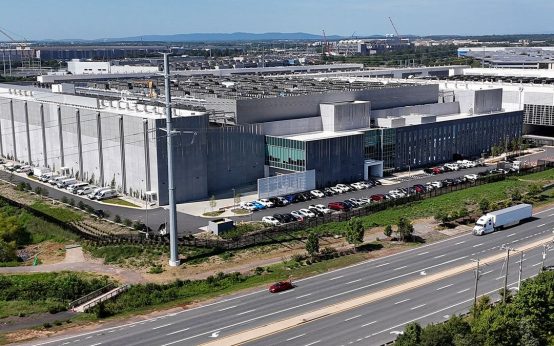 National Security Push Faces Local Resistance in Data Center Expansion
  AI Regulation Debate Intensifies Amid Tech Leaders’ Warnings
 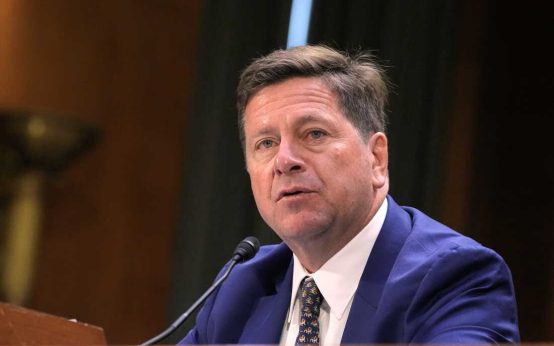 Jay Clayton Appointed as White House AI Czar
  Addressing the Growing Threat of AI-powered Scams and Deepfakes
  President Trump Unveils New Super Intelligence Force