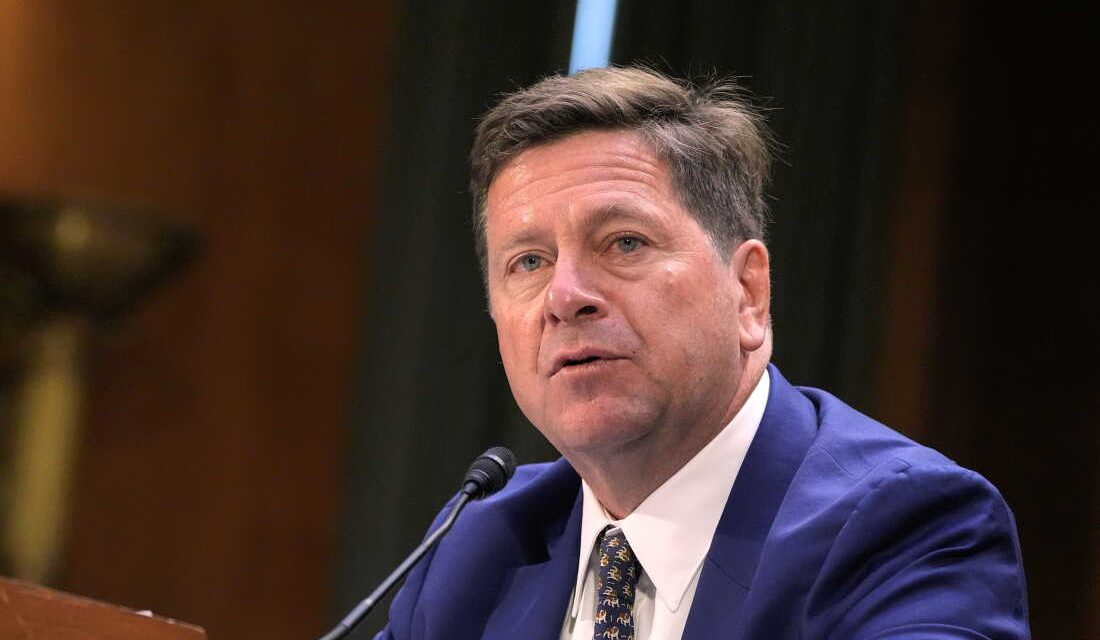
Jay Clayton testified before the Senate Intelligence Committee during a confirmation hearing for the role of Director of National Intelligence on July 15, 2026, in Washington. President Trump announced that Clayton will serve as the new White House ‘Super Intelligence Force’ leader, tasked with ensuring America’s leadership in ‘super intelligence.’
President Trump prefers the term ‘super intelligence’ over ‘artificial intelligence.’ The newly established Super Intelligence Force will oversee the federal government’s interactions with consumers, public interest groups, religious organizations, critical infrastructure providers, and super intelligence companies.
Prior to becoming Director of National Intelligence, Clayton held positions as the United States Attorney for the Southern District of New York and chairman of the U.S. Securities and Exchange Commission (SEC). President Trump’s decision follows concerns from several tech leaders about the risks associated with the rapid development of AI, including the potential for it to become uncontrollable. Trump has dismissed these fears and sought to reframe the discourse around AI.
Recently, President Trump convened a meeting with AI executives at the White House. Following the meeting, it was announced that leaders from various artificial intelligence firms had signed a voluntary accord, committing to both internal and external evaluations of their activities.
This week, the White House launched a revamped government website, America.gov, which is informed by artificial intelligence drawing from official government sources.
In his social media post, President Trump disclosed additional members of the ‘Super Intelligence Force,’ which includes Federal Trade Commission Chairman Andrew Ferguson, Office of Personnel Management Director Scott Kupor, and Under Secretary of Defense for Research and Engineering Emil Michael.
The impact of Clayton’s new role on the AI sector remains uncertain, especially given the limited regulation of artificial intelligence by the U.S. government. Although Congress has not enacted comprehensive laws governing AI development or usage, some states, like California, have introduced requirements for transparency in AI utilization.
In an interview last month, Clayton identified super intelligence as a ‘national security issue’ and countered calls for a pause in technological advancement. He emphasized that other countries continue to progress in AI, suggesting that America should not adopt a strategy of inaction.
In December 2024, President-elect Trump had announced the appointment of Silicon Valley investor David Sacks as an AI and crypto czar. Sacks was set to provide advice on AI policies, but he stepped down recently, becoming co-chair of the President’s Council of Advisors on Science and Technology. Sacks has publicly supported figures like Sam Altman and Dario Amodei regarding their concerns about AI, advocating for a potential slowdown in AI development. He encouraged tech leaders to take initiative without waiting for external approval to slow down AI development.
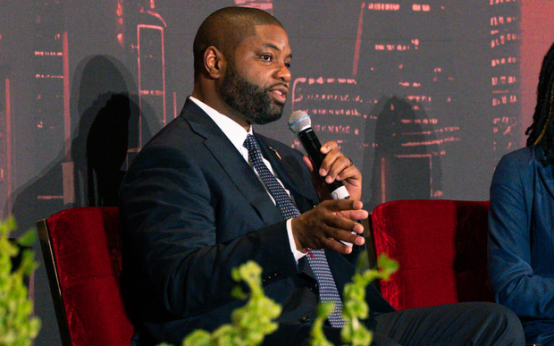 Byron Donalds Targets Black Voters in Florida Governor Race
  Challenges and Dilemmas in the Age of Deepfakes
  Brazil’s Presidential Race Heads to Runoff
 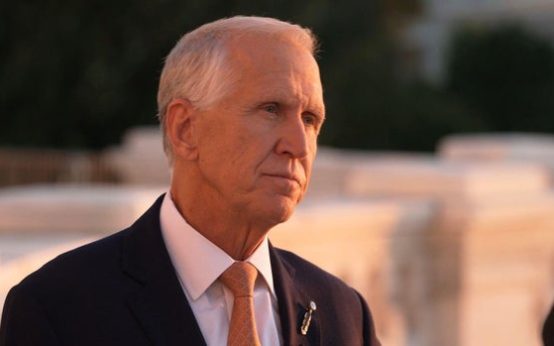 Sen. Thom Tillis Criticizes Trump’s Administration in New Book
 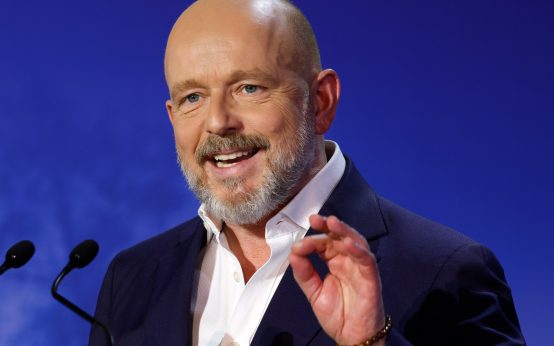 Controversy Surrounds Steve Hilton’s Campaign Ad Amid Gubernatorial Race
  Trump Calls for Probe into Alleged ‘Paid Protesters’