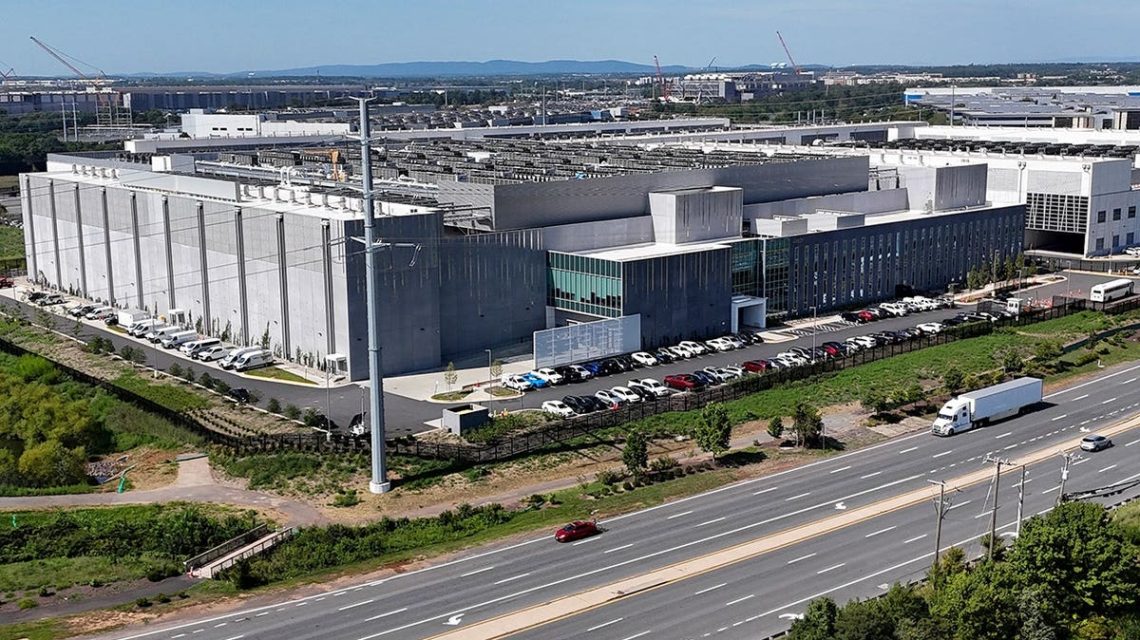
America’s pursuit to boost its technological infrastructure is encountering local opposition. This conflict places Washington’s urgency to stay ahead of China against growing resistance from communities tasked with hosting these developments.
Representative Suhas Subramanyam from Virginia, representing the area known as “Data Center Alley,” warns that local backlash might impede the expansion deemed crucial by Washington. He stresses the necessity of community approval to facilitate growth.
The communities are being steamrolled by the industry. They’re not feeling like anyone’s listening to them.said Subramanyam to Fox News Digital.
Subramanyam proposed a federal plan consisting of four parts. It aims to prevent a false dichotomy between unchecked growth and complete bans. The plan includes measures for siting, costs related to power, energy and water measurements, and security for facilities and nearby areas.
Subramanyam argues for a plan to build community support, critical if the U.S. wishes to stay competitive with China when developing data centers and AI.
The Fair Share Act, part of his proposal, would enforce states to mandate large power consumers to shoulder more of the infrastructure expenses necessary to support them.
Federal incentives tied with funding could make collaboration imperative, ensuring data centers fund their portion of essential infrastructure.
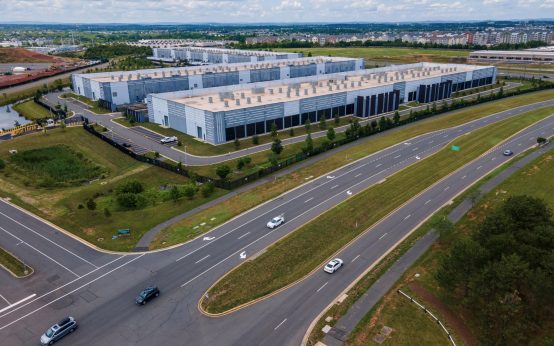
Recent complaints reported by Fox News Digital underscored the noise and intrusion caused by a substantial data center near Ashburn, Virginia.
Subramanyam highlights that district residents recognize the need for infrastructure but challenge the distribution of costs and burdens. Loudoun County’s data center revenue reduction in real-property tax rates reflects some financial relief.
Nevertheless, Subramanyam mentions potential additional costs, notably on utility bills, amid other community concerns like water and air quality.
The industry disputes these claims, citing an analysis by the energy consulting firm E3 that showed no historic connection between data center operations and increased residential electricity rates.
Subramanyam insists that infrastructure of national significance cannot rely on a sporadic mesh of state and local regulations.
I know that localities do zoning, states do energy policy and other related things, but Congress and the federal government need to get involved.stated Subramanyam.
Virginia Governor Abigail Spanberger introduced a framework to bolster local authority, shift infrastructure costs to major power users, and set benchmarks for water efficiency and grid stability.
Governors from different affiliations—from Virginia’s Spanberger to Texas Governor Greg Abbott—have developed strategies, emphasizing the topic’s relevance.
In West Virginia, officials crafted a microgrid initiative to attract large projects, sparking debates about limiting local government control. Simultaneously, stakeholders have presented potential property tax eliminations.
In Shepherdstown, Commissioner Cara Keys pointed out concerns over restricted local autonomy, advocating balanced support for data centers alongside necessary legislative checks.
Subramanyam draws attention to disparate strategies across regions. He urges Washington to resolve them, warning that local resistance could intensify.
The only plan I’ve seen is either to do nothing or a full moratorium,he stated.And to me, neither of those is a viable option moving forward.
 AI Regulation Debate Intensifies Amid Tech Leaders’ Warnings
  Jay Clayton Appointed as White House AI Czar
  Addressing the Growing Threat of AI-powered Scams and Deepfakes
  President Trump Unveils New Super Intelligence Force
  Challenges in Managing Advanced AI Models
  The Risky Foundations of AI’s Economic Impact