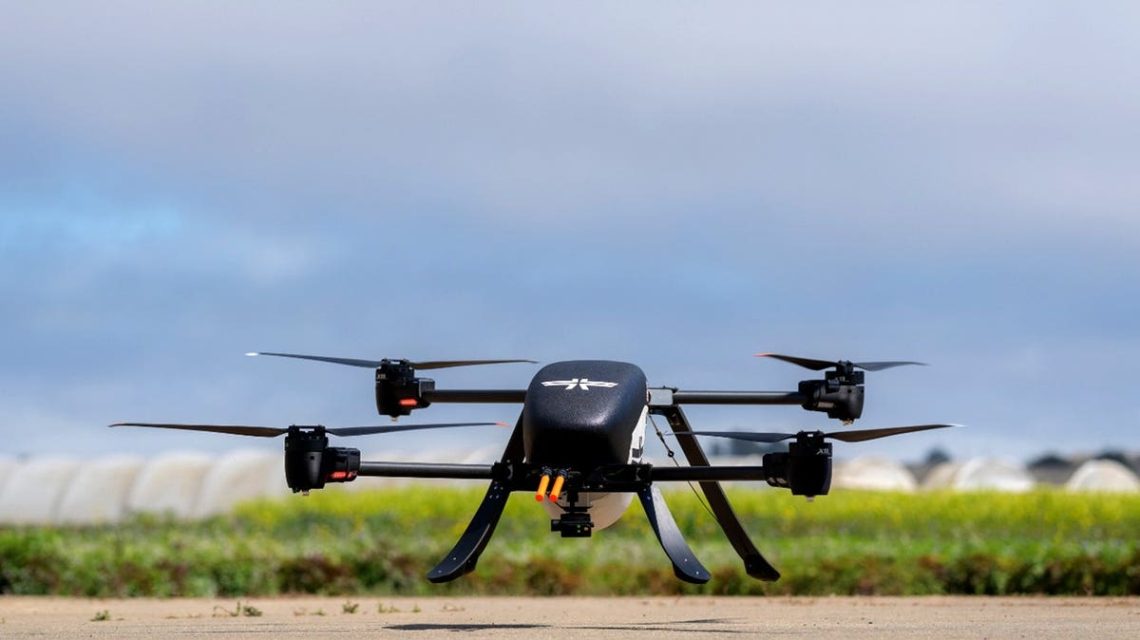
Wildfires can quickly escalate from a small spark to a massive blaze, especially in remote areas where firefighters may struggle to respond swiftly. A new wave of AI-powered firefighting drones presents a potential solution to hasten the initial response to wildfires.
Testing AI Drones in California and Alaska
Recently, CAL FIRE tested Seneca’s autonomous drones in California. This initiative is part of broader efforts to reduce response times to wildfires. Meanwhile, in Alaska, the XPRIZE Wildfire competition evaluated various autonomous systems, striving to detect and mitigate fires in their infancy.
Challenges of Increasing Wildfires
The National Oceanic and Atmospheric Administration (NOAA) highlights that human-induced warming is intensifying wildfires in California and the western U.S. Warmer conditions have extended the wildfire seasons in these regions, complicating firefighting efforts.
How AI Firefighting Drones Work
AI firefighting drones are designed to reach fires earlier than traditional crews or aircraft. These machines utilize sensors powered by AI and computer vision to accurately locate and combat small fires. Seneca, a company spearheading this technology, claims that its drones can deliver between 500 and 1,000 pounds of suppression materials per mission.
Field Test Insights
The reported tests in California emphasized the potential of these drones to aid initial firefighting efforts. The drones, with their ability to deliver suppression foam, serve as an auxiliary to conventional wildfire combat strategies.
Alaska’s Autonomous Firefighting Trials
In Alaska, XPRIZE conducted tests to examine how well autonomous systems detect and suppress fires without human input. Dryad Networks, a German company, fielded a system combining sensors and drones, capable of detecting fires based on environmental changes and responding swiftly.
Dryad’s Innovative Approach
Dryad’s drones, part of the Silvaguard system, can carry significant amounts of fire suppressant and have demonstrated rapid fire-extinguishing capabilities. These systems operate with little to no human oversight, showcasing a new frontier in wildfire management.
Real-World Deployments
As the technology progresses, real-world trial deployments are set to begin. Aspen Fire Protection District in Colorado plans to integrate Seneca’s drones into its operations. These plans represent a notable shift from testing to practical application.
Future of Wildfire Technology
Collaborations with initiatives like UC San Diego’s ALERTCalifornia demonstrate that AI systems are already playing a role in fire detection. Google’s FireSat project adds a satellite dimension, promising even earlier fire spotting.
Considerations for Fire-Prone Areas
Residents in susceptible regions might welcome these technologies as they aim to enhance initial firefighting efforts. However, the limited payload capacity and other operational constraints mean these drones are a supplement, not a substitute, for traditional firefighting methods.
The focus remains on quick response, slowing fire spread until more resources arrive. This technology holds promise, but its true value will emerge as it encounters real-world firefighting challenges.
 The Evolution of Electronic Shelf Labels in Grocery Stores
  Debate Intensifies Over AI Safety and Regulation
  The Historical Fear of Technological Advances and AI
  How Generative AI Affects Critical Thinking Among Professionals
  Virginia Congressional Districts Show Increasing Competitiveness
  Challenges and Dilemmas in the Age of Deepfakes