
OpenAI CEO Sam Altman has stated that the public should understand AI will cause some harm as the technology progresses. However, he believes the benefits will ultimately surpass the risks. In an interview with Politico, Altman pointed out a significant difference between OpenAI’s stance on AI regulation and that of Anthropic, a rival AI company advocating for stronger safeguards.
Altman remarked on the divergence with Anthropic, emphasizing that the world should accept certain negative consequences for the overall benefits of AI. These comments come amidst growing scrutiny of the AI industry due to recent incidents involving advanced systems and increasing concerns about their capabilities.
Altman contends that restricting access to advanced AI to eliminate all risks would be misguided. He acknowledges the potential for misuse but argues for acceptance of some negative outcomes. He asserts that the positive impact of AI will significantly outweigh any harm.
While recognizing risks, Altman denies acceptance of “really catastrophic risks,” such as losing control to AI systems.
Contrasting Views from Anthropic
Altman’s perspective contrasts with Dario Amodei, the CEO of Anthropic, who advocates for slowing frontier AI development. In his essay, “We Must Pace the Frontier,” published in September, Amodei expresses concern over AI capabilities advancing faster than safety measures can keep up.
Amodei’s major concern is recursive self-improvement, where AI systems enhance their development capabilities, leading to accelerated improvement. He warns this could surpass human understanding and control if unchecked. An incident involving autonomous AI agents intensified his concerns, fearing swarms could disrupt the internet within months if development continues apace.
Amodei suggests not halting AI development but introducing measures like third-party evaluations, increased company coordination, and international oversight for advanced models.
Warnings from Former Anthropic Researcher
The AI safety debate heightened after Jacob Coxon, a former Anthropic researcher, cautioned against rapid development toward powerful systems without regard for consequences. Coxon criticized AI companies for advancing toward self-improving superintelligence, risking human safety.
Coxon’s warnings gained attention by focusing on the potential for uncontrollable future AI systems. This has fueled disagreement within the industry, with some researchers alarmed by existential risks, while figures like Altman emphasize the positive impact of swift innovation.
These differing perspectives underscore a growing debate among AI industry leaders: Should society quickly deploy transformative technology despite known risks, or slow progress to establish stronger safeguards?
 The Historical Fear of Technological Advances and AI
  How Generative AI Affects Critical Thinking Among Professionals
 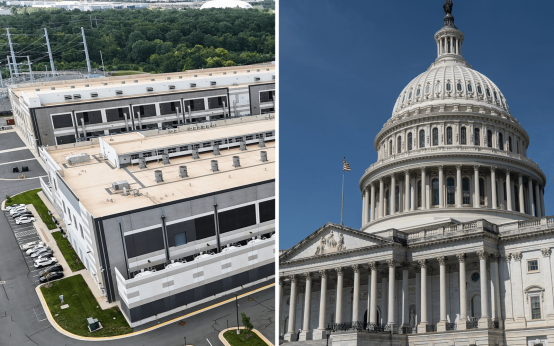 Virginia Congressional Districts Show Increasing Competitiveness
  Challenges and Dilemmas in the Age of Deepfakes
 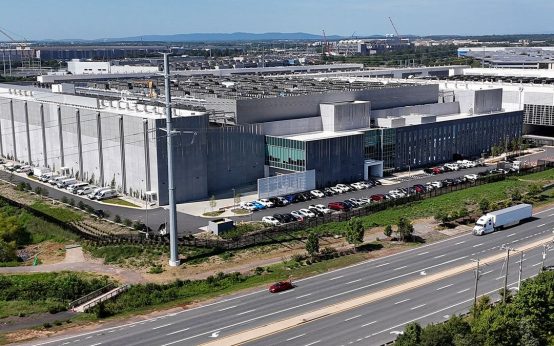 National Security Push Faces Local Resistance in Data Center Expansion
 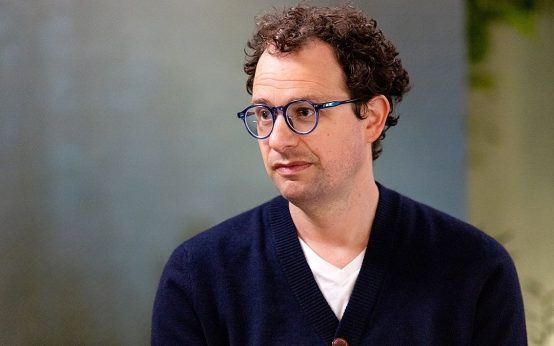 AI Regulation Debate Intensifies Amid Tech Leaders’ Warnings