
Panic often accompanies technological advancements, and the rise of artificial intelligence is no different. This fear has historical roots, as seen in past reactions to the emergence of the railroad.
In 1862, The Lancet published an extensive analysis exploring the effects of railway travel on public health. The arrival of trains also introduced railway accidents, reported extensively in the media of the time. However, these incidents were only part of the concern.
Some experts of that era expressed fears about the increasing speed of trains. They speculated that passengers might suffocate due to rapid travel. Additionally, they suggested that observing scenery moving quickly could damage visual processing permanently.
Other analysts warned about the human body’s ability to endure such speeds, claiming it was fundamentally incompatible with nature. This historical context illustrates the recurring apprehension that accompanies significant technological shifts.
 How Generative AI Affects Critical Thinking Among Professionals
  Virginia Congressional Districts Show Increasing Competitiveness
  Challenges and Dilemmas in the Age of Deepfakes
 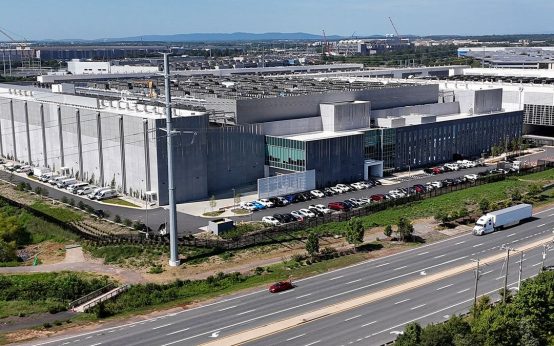 National Security Push Faces Local Resistance in Data Center Expansion
  AI Regulation Debate Intensifies Amid Tech Leaders’ Warnings
  Jay Clayton Appointed as White House AI Czar