
Breakthrough in Personalized Cancer Vaccine by Moderna and Merck
Moderna and Merck have announced promising results from their Phase 3 INTerpath-001 trial related to a personalized cancer vaccine. This vaccine, known as intismeran autogene, has demonstrated success in patients with high-risk melanoma when administered with Merck’s immunotherapy Keytruda. The trial reached its primary endpoint of recurrence-free survival and a key secondary endpoint of distant metastasis-free survival.
Individualized mRNA Therapy
This personalized mRNA therapy is crafted based on unique tumor mutations of individual patients. The treatment could soon become available if regulatory feedback is positive. Although results are currently confirmed for melanoma, ongoing studies are evaluating its effectiveness in other cancers like non-small cell lung cancer, bladder cancer, and kidney cancer. The approach challenges the traditional cancer treatment paradigm by introducing tailored solutions rather than uniform strategies.
Potential Long-Term Impact on Cancer Management
Should the personalized cancer vaccines prove effective across various cancers, they may significantly extend cancer-free periods for patients post-treatment. According to Dr. Robert Vonderheide, a vaccine mobilizing the immune system to prevent recurrence could be pivotal in cancer care. This method resembles chronic disease management approaches seen in HIV and diabetes treatments.
Customized Medicine and AI’s Role
Every dose of intismeran autogene is uniquely designed from a patient’s tumor genetic profile. AI tools are expected to become integral in identifying tumor-specific mutations to aid in personalized vaccine development. Dr. Christina Annunziata highlighted the mechanism where AI leverages tumor DNA sequencing to tailor treatments specifically to a patient’s cancer mutations.
Challenges and Opportunities in Access and Cost
With personalized cancer vaccines requiring intricate processes, new workflows might be necessary to accommodate widespread application. Geographic and resource disparities could affect accessibility. Economically, while initial costs might be high due to individualized manufacturing, long-term savings may arise from reduced need for recurrent treatments like surgery and chemotherapy.
Implications Beyond Cancer Treatment
Moderna’s success with mRNA technology, initially spotlighted during the COVID-19 pandemic, may reignite discussions about its future medical applications. The vaccine platform’s potential for broader application in various cancers may energize investment in biotechnology, genetic medicine, and AI-driven drug discoveries.
 Crest 3D Whitestrips Offer Affordable Teeth Whitening at Home
 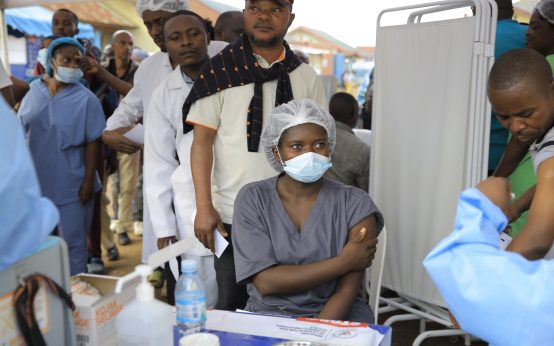 Ebola Outbreak in Africa: Current Situation and Responses
  Dr. Vanessa Kerry’s Role in Building Global Health Resilience
  Nationwide Recall of Compounded GLP-1 Injections
  Trump’s Executive Order on Women’s Health Initiatives
  White House Chief of Staff Susie Wiles Declared Cancer-Free After Breast Cancer Battle