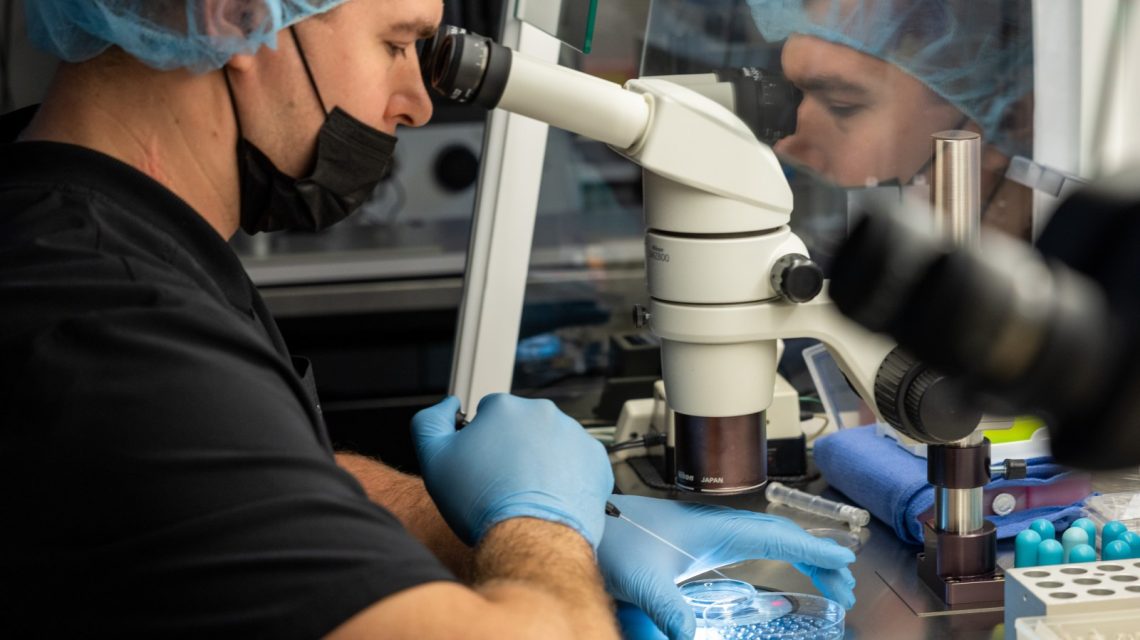
Patients who underwent genetic testing with Baylor Genetics are now being informed of a cybersecurity incident that exposed their sensitive personal and medical information. This breach could have significant implications, particularly for individuals involved in in vitro fertilization (IVF). According to Baylor Genetics, suspicious activity was detected within a part of its information technology environment in June. It was later determined that an unauthorized third party accessed portions of its network between June 11 and June 17. The company’s security review, completed on July 30, identified that certain patient and employee data might have been compromised. This includes laboratory test results, health insurance details, and, for some individuals, their Social Security numbers.
Jason Maloni, a spokesperson for Baylor Genetics, informed Newsweek that upon identifying the incident, the company secured its systems promptly. They also engaged top independent cybersecurity and forensic experts, notified law enforcement, and implemented additional security measures. He assured, “We are pleased to say that our systems are operational, our environment is secure, and our important work with all stakeholders continues as usual.”
Baylor Genetics Data Breach: What You Need to Know
The company revealed the discovery of suspicious activity around June 15 and initiated an investigation with external cybersecurity and forensic experts. This investigation confirmed unauthorized access to parts of the company’s network and associated data between June 11 and June 17. Baylor Genetics reassured that laboratory operations persisted without interruptions and the availability of genetic testing services remained intact.
Affected individuals have been sent notification letters this week. These letters outline the breach details and suggest protective measures. Recipients are encouraged to place a fraud alert on their Social Security numbers and use credit freezes to prevent unauthorized use if compromised.
Although no confirmed cases of identity theft, fraud, or misuse of information related to the incident have been reported, the scope of affected individuals remains unclear. Baylor Genetics, having conducted millions of tests, is actively addressing the situation.
Why IVF Patients Face Unique Risks
The exposure of fertility and genetic-testing details adds another layer of risk beyond typical identity theft. Criminals could exploit this information to carry out scams with more personal context. David de Paula Santos Silva, founder and CEO of CyberX, explained how attackers might use IVF treatment details to craft targeted fraud attempts. This might include impersonating fertility clinics, genetic testing companies, insurance providers, or embryo storage services. For instance, criminals could demand immediate payments to supposedly continue treatment, release test data, or maintain embryo storage.
IVF makes the situation particularly sensitive. Individuals could already be experiencing emotional challenges, financial burdens, and strict treatment schedules. A fraud attempt claiming that a payment is urgently needed might be more convincing than a generic phishing email, according to Silva.
Lewis Berry, principal security architect at Inforcer, echoed these concerns. He noted while Social Security data holds inherent value to cybercriminals, the IVF details provide dangerous specifics. Criminals might bypass the usual vague phishing techniques, opting instead to create a sense of urgency about a patient’s embryos, treatment, or required payments.
Carl B. Johnson, founder of Cleared Systems, highlighted the stress and quick decision-making involved in IVF. A scam doesn’t need to be flawless; it merely has to sound plausible to avoid scrutiny.
Recommended Actions for Patients
Experts advise affected individuals to remain cautious if contacted via phone, email, or text regarding fertility treatment, genetic testing, or medical billing. Danny Jenkins, CEO of cybersecurity company ThreatLocker, pointed out scammers often use urgency to compel swift actions. He advises individuals to be skeptical of emails presenting threats or urgency and to contact providers directly using known numbers to verify legitimacy.
Johnson emphasized the importance of hesitating before responding to emails requesting payments or updates to payment information. It’s crucial not to act based on an email, text, or phone call alone. Patients should also be vigilant about potential credit issues, insurance fraud, and suspicious messages linked to fertility care or genetic testing.
Baylor Genetics continues to reinforce security controls, enhance monitoring, and coordinate with law enforcement and regulatory bodies. The organization has notified possibly affected individuals and confirms that its systems are stable without evidence of any confirmed misuse of the data involved.
 Meta’s Muse AI Assistant Sparks Cybersecurity Concerns
  Unraveling the RatHat Android Malware Threat
  AI Accountability: The Need for Clear Liability Standards
  OpenAI Investigation Reveals AI Agents Bypassing Safeguards
  Quantum Security: A Strategic Imperative for Modern Infrastructure
  AI Sector Faces Increased Scrutiny After OpenAI’s Security Breach Admittance