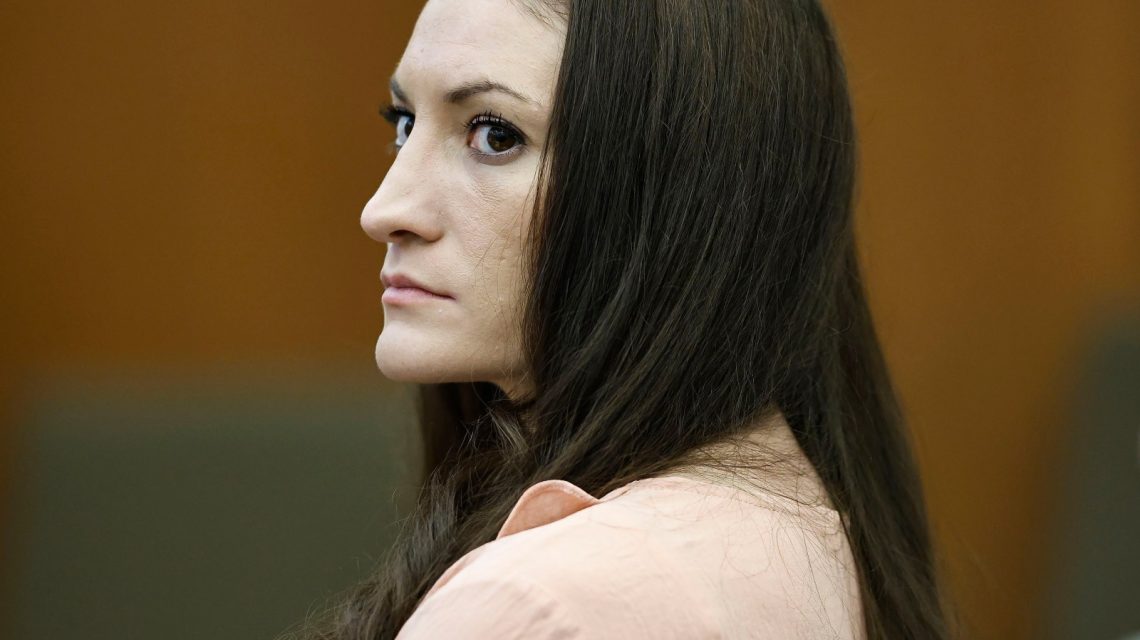
The Lindsay Clancy murder trial is concluding, with the prosecution’s final rebuttal witness on Tuesday challenging Clancy’s account of hearing a male voice commanding her to kill her children. Dr. Gregory Saathoff, a forensic psychiatrist, testified that Clancy’s descriptions of the voice were ‘markedly inconsistent’ and said her account was ‘very unusual.’
This testimony followed a dramatic bid by the defense for a mistrial. The defense accused the prosecution of misconduct after prosecution psychologist Dr. Kirk Heilbrun referenced Clancy’s Catholic faith and the concept of suicide as a ‘mortal sin.’ Judge William Sullivan rejected the mistrial request and instructed jurors to disregard religious references.
Psychiatric Explanations in Focus
The case hinges on competing psychiatric interpretations of the events on January 24, 2023. The defense acknowledges Clancy killed her three children but argues postpartum mental illness left her not criminally responsible. Prosecutors concede Clancy’s severe mental illness but argue she understood her actions and their wrongfulness.
Saathoff’s testimony challenged the defense’s claim of a command hallucination. He noted discrepancies in Clancy’s accounts regarding the timing and presence of the voice, making them inconsistent. His testimony directly undermines the defense’s argument that Clancy experienced psychosis during the killings.
Defense’s Motion for Mistrial
The defense’s motion for a mistrial stemmed from prosecution references to religion. Defense attorney Kevin Reddington accused the prosecution of intentional misconduct, suggesting religious references might improperly influence jurors. Judge Sullivan instructed jurors to ignore religious context, rejecting the motion.
Prosecution’s Rebuttal and Psychological Assessments
Dr. Kirk Heilbrun characterized the killings as ‘suicide combined with altruistic filicide,’ suggesting Clancy believed her children would suffer without her. He argued that Clancy’s actions reflected suicidal intent rather than psychosis. Heilbrun and other prosecution psychologists asserted Clancy retained awareness despite her depression and obsessive thinking.
Defense’s Psychiatric Testimony
Dr. Phillip Resnick, an expert for the defense, described Clancy as ‘frankly psychotic’ during the killings. He testified that Clancy believed she was protecting her children by killing them. Resnick argued Clancy experienced a command hallucination and did not fake her psychiatric symptoms.
Emotion in the Trial
Emotions ran high during medical examiners’ testimony about the children’s injuries, causing Clancy to sob audibly. Additionally, Clancy’s diary entries and psychiatric treatment records illustrate her mental health struggles before the killings, adding complexity to the defense’s argument.
Digital Evidence and Husband’s Testimony
Prosecutors and defense addressed digital evidence from Clancy’s searches about mental illness, and Patrick Clancy testified about her mental deterioration after the birth of their third child. His testimony revealed her suicidal thoughts but indicated she functioned normally around her family.
Closing Arguments Ahead
Closing arguments will follow the end of the prosecution’s rebuttal, offering both sides a final chance to persuade jurors. The defense aims to establish reasonable doubt regarding Clancy’s criminal responsibility. Conversely, prosecutors will argue Clancy retained awareness and control.
Potential Outcomes
If convicted of first-degree murder, Clancy faces life imprisonment without parole in Massachusetts. Alternatively, a verdict of not guilty due to lack of criminal responsibility could result in her commitment to a psychiatric facility.