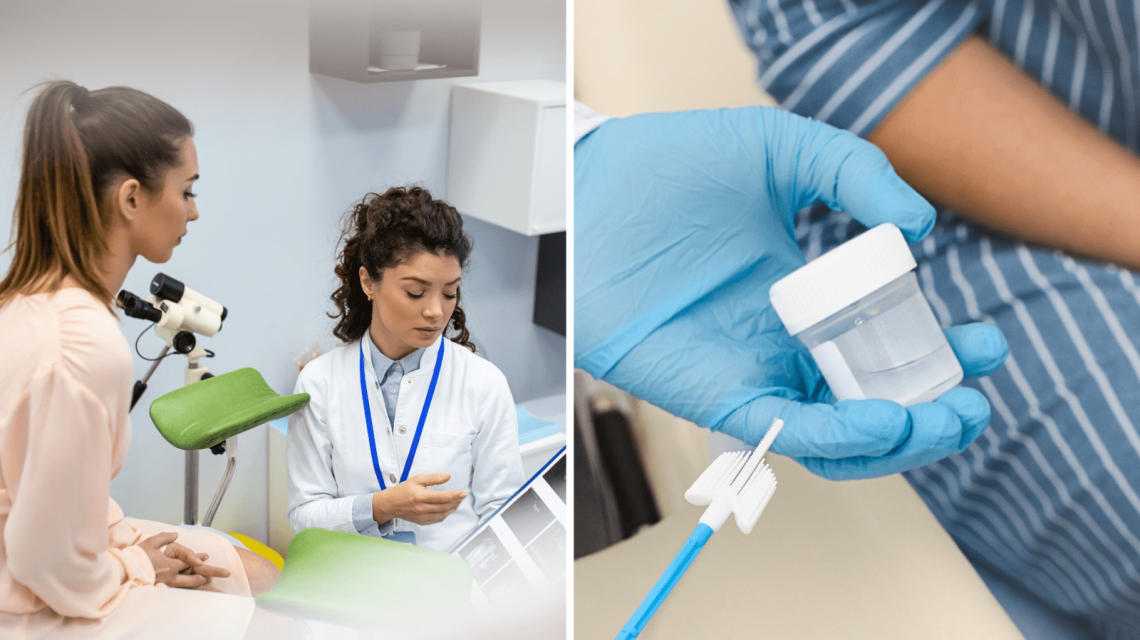
A recent study published in JAMA Network Open reveals that nearly one-third of young American women have never undergone cervical cancer screening. The percentage of women aged 21 to 29 who reported never having a screening rose from 12.5% in 2005 to 31.9% in 2023. This increase represents a leap from approximately 3.5 million to 6.2 million unscreened women. The most significant rise occurred after 2010.
Screening Recommendations
Cervical cancer is preventable through regular screening and HPV vaccination. However, recommendations vary slightly between major medical organizations:
U.S. Preventive Services Task Force (USPSTF)
- Under 21: No routine screening.
- Ages 21-29: Pap test (cervical cytology) every 3 years.
- Ages 30-65: Options include Pap test every 3 years, primary HPV test every 5 years, or HPV/Pap co-testing every 5 years.
- Over 65: Cease screening if prior screening was adequate with no high-risk history.
American Cancer Society (ACS)
- Screening begins at age 25.
- Ages 25-65: Primary HPV testing every 5 years is preferred. Alternatives include HPV/Pap co-testing every 5 years or Pap test alone every 3 years.
- Stop screening at 65 if results have been consistently normal and not high-risk.
Concerns for Older Women
The trend of declining screenings extends to women aged 30 to 65. The portion of women in this age group who never underwent screening climbed from 5.3% in 2005 to 14.8% in 2023. This represents an increase from about 4.3 million to 9.2 million women. This age bracket is critical as cervical cancer risk peaks during these years. Unscreened women may face later detection, leading to more advanced stages of the disease at diagnosis.
HPV Vaccination and Screening Gaps
The study highlights a concerning lack of HPV vaccinations. Among women aged 21 to 29, vaccination rates rose from 5.7% in 2008 to 54.0% in 2019. This means about 45.5%, or nearly 8 million women, remain unvaccinated. Many unvaccinated women have also never had a screening, lacking either form of disease protection.
Cervical cancer diagnosed at regional and distant stages increased annually by over 2% among women aged 30 to 65 after 2017. Although this correlation does not confirm causation, the pattern raises concerns.
Disparities in Screening
Disparities are evident in who remains unscreened. Women from minoritized racial backgrounds, those without health insurance, and those residing in the Southern U.S. are more likely to lack screening. These groups also see higher rates of advanced cervical cancer diagnoses and deaths, implying that the screening gap may exacerbate existing health inequities.
The study’s findings are based on nine cycles of the National Health Interview Survey coupled with U.S. Cancer Statistics data from 2001 to 2023. While screening data was self-reported, which introduces recall bias, the study aims to underline a trend rather than establish a direct cause-and-effect relationship. Promoting access to screening, especially among young women and vulnerable populations, remains an important public health goal.
Sonawane, K. P., et al. (2026). Rates of Never Receiving Cervical Cancer Screening Among US Women, 2005-2023. JAMA Network Open. doi:10.1001/jamanetworkopen.2026.31550.
Contact Newsweek editors on this story: Kara Dolman and Gray R. Thomas
 Early Detection of Atherosclerosis and Heart Disease Prevention
  Church Attendance Linked to Increased Sexual Satisfaction for Married Couples
  Dining with Loved Ones May Benefit Blood Sugar Levels
  Urgent Need for Action in East Africa’s Food Crisis
  Facing Terminal Illness: Embracing Life’s Moments
  Eating with Partners May Impact Blood Sugar Regulation