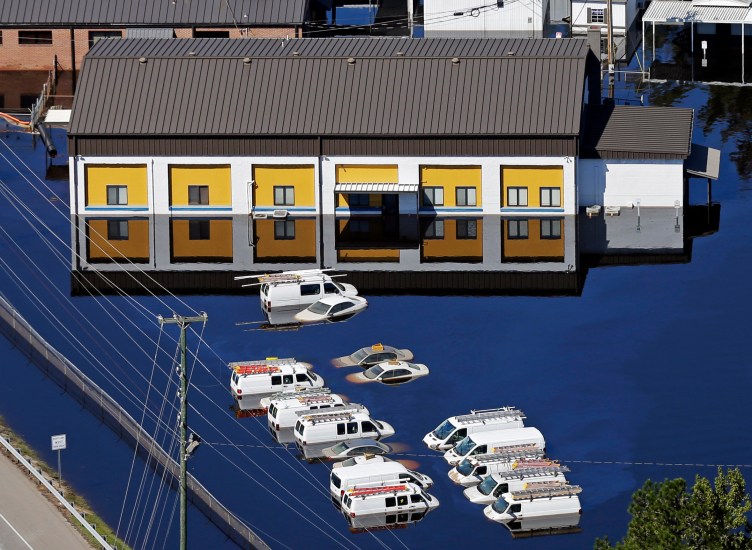
Delayed Home Rebuilding Efforts in North Carolina
A home rebuilding program in North Carolina, initiated after hurricanes Florence and Matthew, left hundreds of families waiting more than seven years to return home. Issues such as expense tracking and contractor accountability plagued the program. As a result, the governor introduced a new recovery initiative for Hurricane Helene.
Challenges Faced by Homeowners
Approximately 5,000 homeowners are seeking aid from the state post-Hurricane Helene. Yet, challenges like inadequate staffing and inflexible rules are resurfacing. Examples of these are observed through public records and interviews.
The Assembly and ProPublica have highlighted recurring issues that echo previous flaws.
ReBuild NC aimed to assist low- to moderate-income homeowners by hiring and paying contractors. Major management hurdles included expense oversight and contractor accountability. Rigid federal regulations and extensive paperwork only worsened the situation.
Failures in Handling Previous Disasters
The state’s response to hurricanes Matthew and Florence was deemed ineffective. Reports revealed mismanagement of funds and procedural missteps, leading to inflated costs and delays.
Willa Mae James, a Lumberton resident, spent 459 days in temporary housing due to construction delays. Her case is not isolated; many families faced similar delays.
An audit indicated ReBuild NC’s obsession with processes overshadowed practical recovery work. The agency incurred over $100 million in temporary relocation costs.
Renew NC: A New Approach
The state’s new program, Renew NC, was established to address these previous shortcomings. Its leaders vouched for improved oversight and contractor scrutiny. However, issues persist as some homeowners still encounter lengthy wait times.
Public pressure led to staffing reforms, office relocations, and changes in construction management practices under Renew NC. Yet, management troubles and temporary housing coverage remain areas of concern.
Continuous Adaptation and Concerns
The program aims to have all homes completed by June 2028. However, unexplored problems could extend timelines for Hurricane Helene recovery, as witnessed in previous cases.
Chuck Brodsky, a musician, witnessed Helene landslides threatening his home. Assistance conditions forced him toward a costlier demolition route instead of straightforward landscape repairs.
The state continues to grapple with administrative challenges, underscoring the need for adaptable solutions amid unfolding recovery efforts.
 Atlantic Ends September Without a Hurricane for First Time Since 1994
  Bobcat Sightings and Conservation Efforts in Illinois
  2026 El Niño: A Historical Comparison and Future Projections
  U.S. Records Warmest September in History
  Swiss Glaciers Show Effects of Ice Loss Amid Global Warming
  Climate-Resistant Rock Glaciers: Hidden Water Resources