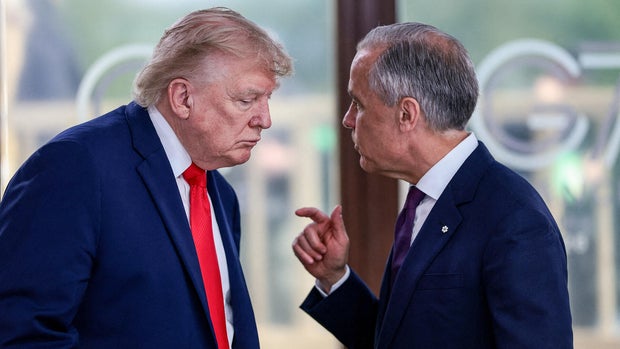
The relationship between the United States and Canada is under strain after the U.S. implemented a ban on nearly $1 billion worth of Canadian imports. The decision, enacted early Tuesday, affects goods such as alcoholic beverages, dairy products, and motorcycles. Although the ban is a small portion of the $880 billion in annual trade between the two countries, it signifies increased tensions in President Trump’s trade policies during his second term.
Trade attorney Patrick Childress, a partner at Holland & Knight and a former U.S. trade official, remarked, “These actions will not alleviate the trade tensions between the United States and Canada.” The dispute began when Mr. Trump invoked a Great Depression-era law, imposing 50% tariffs on $20 billion of Canadian imports. He accused Canada of unfair practices against U.S. dairy, auto, and alcoholic beverage producers. Canada retaliated by imposing matching tariffs on American goods.
President Trump’s response included the ban, initiated at 12:01 a.m. Eastern time on Tuesday, to counter Canada’s retaliation. The direct economic impact may be limited, as many items on the banned list were already facing steep tariffs, effectively reducing import viability.
“For many of these goods, the existing 50% tariffs acted like a de facto ban,” said Childress.
Jacob Jensen of the American Action Forum estimated the ban targets $967 million worth of Canadian exports from 2025, with 87% being alcoholic beverages. The export of Canadian motorcycles to the U.S., specifically Bombardier’s Can-Am Spyder and Canyon models, will also be affected.
The trade dispute risks jeopardizing the renewal of the U.S.-Mexico-Canada Agreement, a pivotal trade pact. The pact originally allowed most goods to cross borders without duty barriers, but recent tariffs have complicated its future.
Canada’s Prime Minister Mark Carney, elected on a platform to counter Mr. Trump’s aggressive trade moves, retaliated against U.S. tariffs and sought to diversify trade partners to reduce dependence on American markets. Canada continues efforts to double its non-U.S. trade in the coming decade, including negotiating with India and exploring membership with the European Union.
Carney also diverged from U.S. positions by negotiating a deal with China, allowing reduced tariffs on Chinese electric vehicles in exchange for lower Chinese tariffs on Canadian canola.
Gabriel Brunet, a spokesman for Canada-U.S. Trade Minister Dominic LeBlanc, stated, “Our main priority is to protect Canadian interests while promoting diversification and strengthening domestic capabilities.”
President Trump expressed confidence in reaching a resolution, telling reporters, “Canada will ultimately seek a fair deal,” while reiterating grievances about perceived injustices against the U.S.
Trade attorney Childress anticipates the impasse may persist for months due to insufficient economic disruption to prompt renewed negotiations. The tariffs and bans, while significant, have not yet forced a return to the negotiating table.
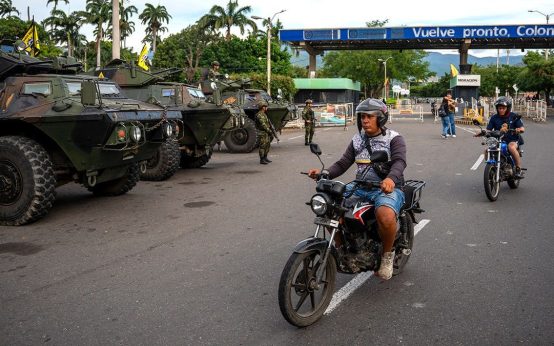 U.S. Warns Against Travel to Colombia’s Norte de Santander Due to Security Threats
  Reflections on 30 Years at Fox News
  Mayor Mamdani Responds to Netanyahu’s United Nations Speech
  British Prosecutors Charge Man with Terrorism Over Politician’s Murder
 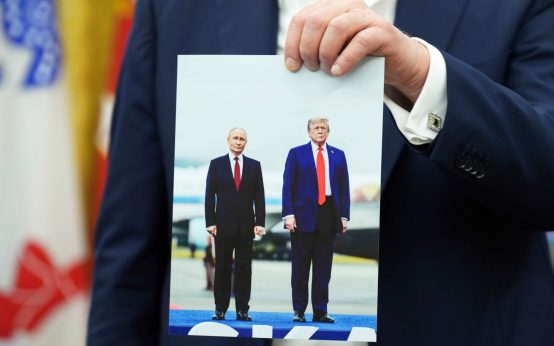 Backlash Against Trump’s White House Photos
 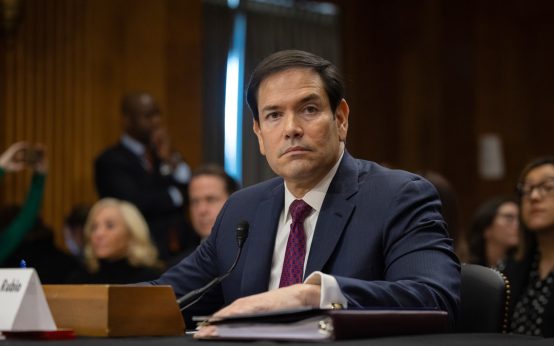 State Department Accuses Senate Democrats of ‘Grandstanding’ Over Venezuela Oil Deal