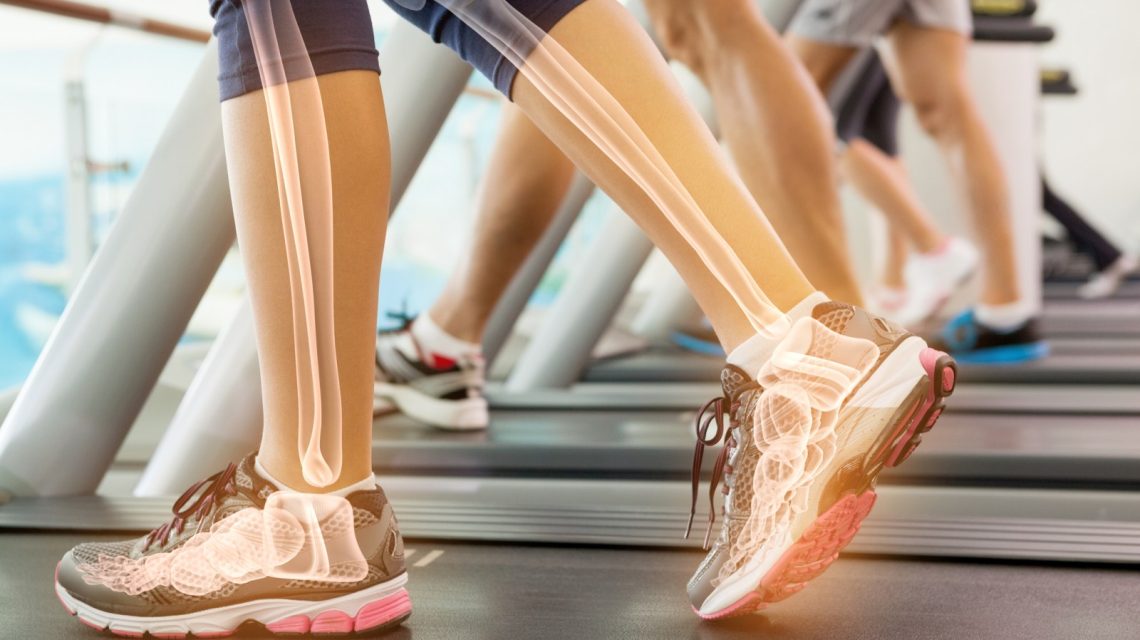
Natural aging involves wear and tear on bones, yet certain daily habits may harm bone health more than you realize. National health survey data and U.S. Census figures indicate 53.6 million Americans aged 50 and older live with osteoporosis or low bone mass. Osteoporosis weakens bones, making them prone to fractures.
Newsweek consulted Carla Pozner, a registered osteopath specializing in the musculoskeletal system, who identified five common habits that could deteriorate bone health over time.
Excessive Caffeine
Coffee is a common energy booster, but too much can negatively affect bone health. Researchers from Flinders University in Australia monitored nearly 10,000 older women over 10 years. They found tea drinkers had stronger hip bones, while those consuming over five cups of coffee daily exhibited lower bone density.
Caffeine can disrupt calcium absorption and bone metabolism. Moderation is crucial.
If several coffees are part of your daily routine, particularly alongside other negative lifestyle choices, evaluating the overall impact on your bone health may be beneficial.
Sedentary Lifestyle
A 2022 study by the National Center for Biotechnology Information highlights that U.S. adults sit for 9.5 hours daily on average. Much of this time involves leisure activities like watching TV or browsing the internet, leading to a sedentary lifestyle.
Lack of body movement is detrimental for bones. Bone is living tissue, responding to the forces applied to it.
Weight-bearing and resistance exercises are vital. Activities like walking, stair climbing, dancing, yoga, and strength training support bone health. Focusing on the entire musculoskeletal system helps maintain muscle strength, mobility, and balance, reducing the risk of falls and fractures as you age.
Relying Solely on Calcium
Calcium is crucial for strong bones. Insufficient dietary calcium leads to the body extracting calcium from bones, weakening them and increasing osteoporosis risk.
Our bones require more than just calcium. A balanced diet including calcium, vitamin D, and protein is essential for bone and muscle health.
No superfood exists for strong bones. Maintaining a balanced diet, regular physical activity, hydration, and outdoor time promotes overall health.
Excessive Alcohol Consumption
A 2022 University of Catania meta-analysis reviewed data from nearly 300,000 individuals. It showed that consuming three or more alcoholic drinks daily raises the risk of hip fractures.
Alcohol can disrupt bone remodeling and calcium and vitamin D metabolism, leading to weaker bones and increased fracture risk.
Heavy alcohol consumption contributes to weakened bones over time.
Delaying Bone Health Concerns
Bone health is often linked to aging, but it is crucial to focus on it earlier. The American Academy of Orthopaedic Surgeons states peak bone mass occurs between ages 25 to 30, with a gradual decline beginning around age 40.
Many believe bone health is only important for the elderly. It’s vital throughout life.
Pozner advises monitoring bone health throughout life, especially for women, as they can experience rapid bone loss during and after menopause.
Supporting Bone Health
Adopt healthy habits early. Pozner shares three beginner-friendly strengthening exercises:
- Chair squats: Slowly lower yourself towards a chair, then stand up, using your leg and glute muscles.
- Wall press-ups: Stand facing a wall, place your hands on it, and bend and straighten your elbows to strengthen the upper body.
- Calf raises: Stand upright, rise onto toes, then lower heels. For balance, hold onto a chair or countertop.
Begin at a comfortable level, focusing on good technique, and gradually increase repetitions or resistance. Maintain a resilient musculoskeletal system to prevent future problems.
 Increased Funding Needed for Psychiatric Hospitals
  Trump Administration Distributes ACA Refund Checks
  Higher Consumption of Ultra-Processed Foods Linked to Increased Health Risks
  Understanding Inflammation: Myths and Facts
  Calm Parenting: Strategies to Manage Stress
  Trump’s Executive Order to Combat Mosquitoes and Ticks in D.C.