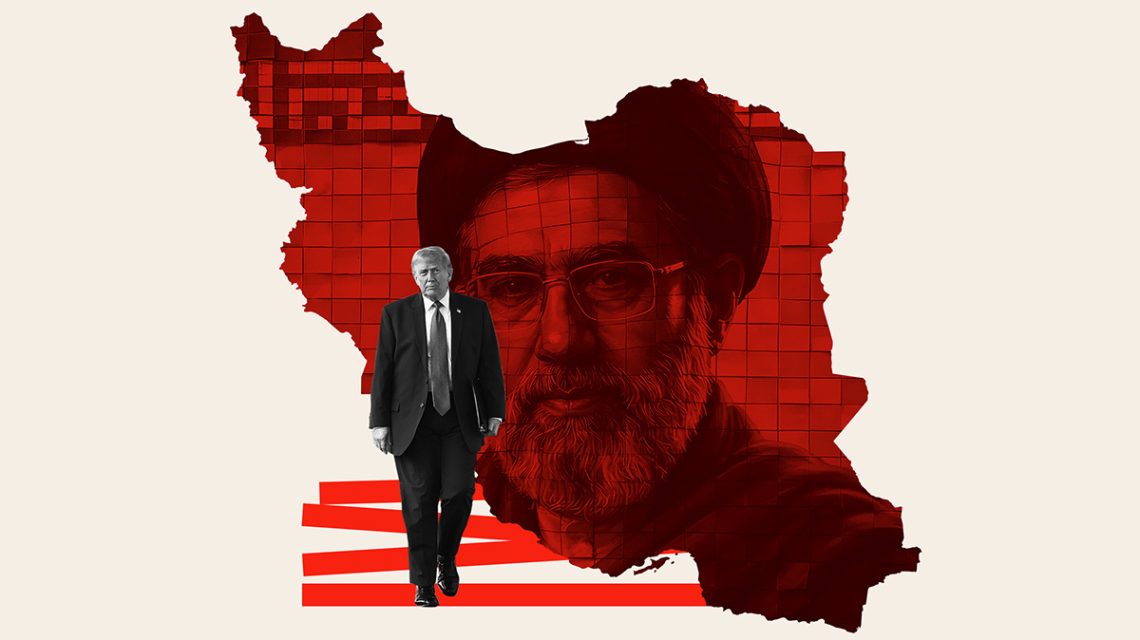
Nearly three months into the US-Israeli conflict with Iran and about five weeks after President Donald Trump announced a blockade of Iran, Tehran remains resolute. This defiance persists despite the loss of its supreme leader and key military figures, as well as significant destruction of its resources. Iranian leaders have set aside internal discord to present unified demands to end the conflict on their own terms.
Iran’s persistence is a high-stakes gamble. The costs mount for the US, the region, and the world. “Iran clearly prepared for this war and so far, it has outstrategized the Trump administration,” said Barbara Slavin, a fellow at the Stimson Center and lecturer at George Washington University. Iran has taken control of the Strait of Hormuz and launched attacks on Persian Gulf neighbors, particularly the Emirates, worsening Gulf Cooperation Council divisions and affecting consumers globally.
Iran has dispersed its command and conserved its missile and drone capabilities to remain a threat and maintain control over the Strait. Viewing the war as existential, Iran seems willing to endure economic hardships, betting it can outlast Trump.
The latest indication of Iran’s refusal to back down emerged on Monday. Despite Trump’s threats of intensified military action, operation plans were postponed at the urging of Saudi Arabia, the UAE, and Qatar leaders. Trump believes a deal could be reached that prevents Iran from acquiring nuclear weapons. Iranian officials deny seeking such capabilities, despite their advanced uranium enrichment.
Trump warned of a large-scale assault on Iran if an acceptable deal isn’t reached. Yet, the heightened rhetoric hasn’t pushed Iran closer to conceding. Senior military officials, including Major General Ali Abdollahi and Brigadier General Mohammad Akraminia, pledged to respond to any US escalation. Negotiators like Parliament Speaker Mohammed Bagher Ghalibaf and Foreign Minister Abbas Araghchi maintain their firm stance in negotiations, last attempted in Pakistan.
Tehran demands the withdrawal of US forces from the region, reparations for wartime damages, and an end to hostilities with allies like Hezbollah in Lebanon. Iran also asserted control over the Strait of Hormuz, establishing a toll-collecting authority.
Slavin pointed out that while Iran’s plan exploits global market dynamics, it severely impacts Iranians. The economy has worsened, living conditions have declined, and security forces are on alert. Despite this, internal dissent hasn’t materialized as US and Israeli officials anticipated. There’s a lack of high-level defections, and no clear opposition leader exists within Iran.
The Iranian system, a blend of religious and nationalist elements, has historically united the populace against external threats. Amin Saikal, a professor at the Australian National University, noted Iran’s enduring resilience, benefiting from control over the Strait and support from Russia and China. The ongoing US-Israel conflict plays into this dynamic.
An Ambiguous US Strategy
The White House’s strategy of strategic ambiguity has drawbacks. Saikal argued that the Trump administration is in a tight spot, with shifting objectives and no clear end to the war. Trump’s aim to surpass the 2015 nuclear agreement remains elusive. The JCPOA reduced Iran’s uranium stockpile in exchange for sanctions relief, but current negotiations focus on a total enrichment ban and restrictions on Iran’s missile arsenal and regional influence.
Despite suffering losses, Iran’s nuclear and military capabilities remain intact. US strategy lacks clarity, leading Iran to interpret concessions as weaknesses, thus heightening demands. Hamidreza Azizi of the German Institute for International and Security Affairs observed that Iran adheres to its red lines, imposing costs on the US until Trump declares the war over, a prerequisite for further negotiations.
Challenges on the Domestic Front
Trump faces growing challenges domestically as well. Media criticism and declining public support for the conflict compound his problems. A New York Times/Sienna poll showed 64% oppose the war, with Trump’s approval falling to 37%.
Paul Pillar, a former CIA analyst, noted that Iranian leaders view their strategy as successful, maintaining power amid US economic and military pressure. The contest between the regime and the Trump administration is still unresolved. Pillar suggests Iran’s leaders are more deeply invested in their political survival, giving them motivation to endure.
The conflict’s effects extend to global oil and gas markets, potentially creating lasting diplomatic rifts. According to Pillar, the war could be deemed a major misstep by Trump. It risks pushing Iran towards nuclear capabilities, a decision it has long resisted but might consider in response to external aggression.
 The Threat of Melting Glaciers: A Call to Action
 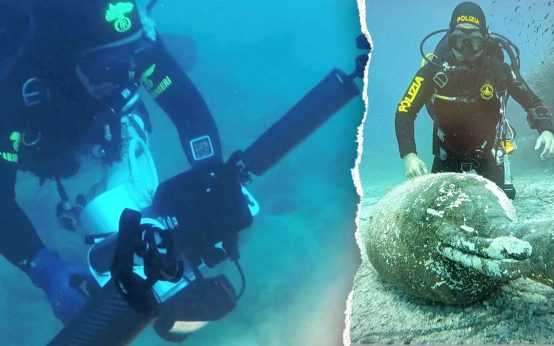 Police Discover Ancient Roman Artifacts Off Sardinian Coast
 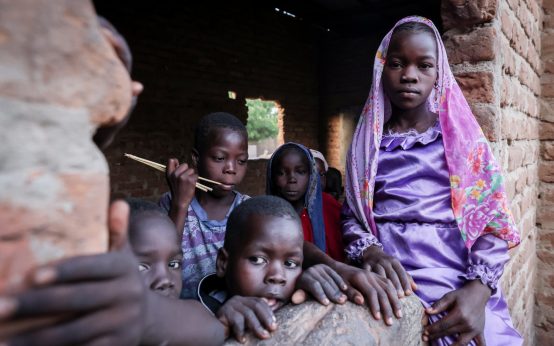 Urgent Need for Action in East Africa’s Food Crisis
  Suspected Plague Death in Siberia Sparks Health Measures
 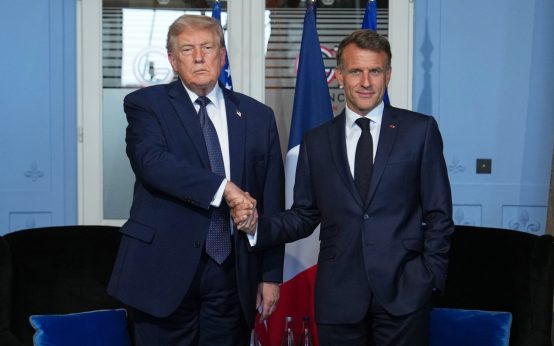 G7 Nations Agree to Release 100 Million Barrels of Oil Amid Fuel Price Surge
  Co-Pilot Attempts Hijack on Flight to Tel Aviv