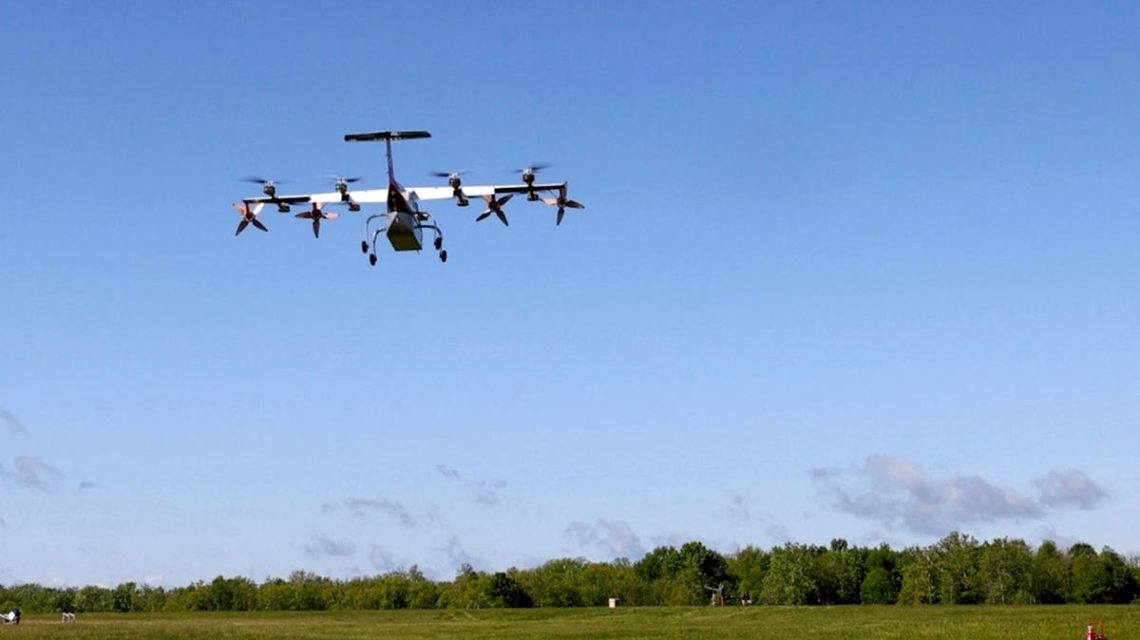
Medical drones are being tested to accelerate the delivery of essential healthcare supplies in rural areas. The initiative focuses on transporting lab samples, blood, and donor matching materials between smaller communities and larger hospital centers, where timing affects diagnoses and treatment. The developers note that quicker flights could decrease delays for rural patients, and there are plans to use the technology for transplant-related materials.
The FAA recently tested a hybrid-electric cargo aircraft capable of vertical takeoff and crew-free operation. This test, conducted in collaboration with Elroy Air and the Louisiana Department of Transportation and Development, took place at Houma-Terrebonne Airport in Louisiana. It was the initial remotely piloted aircraft test flight under the FAA’s eVTOL (electric vertical takeoff and landing) Integration Pilot Program.
Significance of Chaparral Aircraft
The Chaparral aircraft, developed by Elroy Air, represents a significant advancement in cargo delivery. Able to carry over 500 pounds, it is designed for larger tasks compared to smaller delivery drones. Its vertical takeoff and landing capabilities make it versatile, able to operate without traditional runways. The Chaparral uses electric propulsion for takeoff and a hybrid-electric powertrain for longer flights, offering a maximum range of 450 miles and handling substantial payloads.
Innovative Cargo System
The Chaparral features a unique cargo system with modular pods that can be loaded prior to the aircraft’s arrival. This system enables efficient cargo handling, reducing the need for extensive ground infrastructure. By autonomously flying pods to different locations, the aircraft can operate efficiently even in remote areas without runways.
Remote Piloting and Human Oversight
While the Chaparral is pilotless, it is not without human oversight. The FAA described the demo as remotely piloted, and Elroy Air confirmed that Chaparral completed a series of flights autonomously but under air traffic control supervision. The human element remains critical, as regulators will determine the necessary level of oversight and how to handle challenges such as communication failures or changing weather conditions.
Middle-Mile Cargo Transport
Chaparral targets the ‘middle mile’ in logistics, focusing on moving cargo between major points rather than small deliveries. Potential applications include offshore energy operations and disaster response, where traditional transportation methods may be hindered. The aircraft could transport equipment to offshore facilities or deliver supplies to areas affected by disasters where roads are damaged.
Impact on the Delivery Network
With more tests scheduled through 2026, the FAA will analyze the performance and safety of these flights. This program will help shape future regulations for advanced air mobility in U.S. airspace. Communities will seek clarity on issues like noise and flight paths as these aircraft begin operating alongside traditional aviation.
Should the Chaparral prove reliable and safe with substantial cargo, it could become a pivotal part of the delivery ecosystem, enhancing efficiency in hard-to-reach places. Additional focus will be on ensuring the safety protocols and regulatory frameworks are robust enough to support its integration into the airspace.
 How Modern Windows Improve Home Insulation
  OpenAI’s Delay of GPT-6.1 Astra Driven by Security Concerns
  Bill Gates Warns Against Potential Risks of AI Technology
  Recent Technology Trends Shaping 2026
  Enterprise Transformation with Generative AI
  Data Centers and Community Divisions: The Growing Debate Across America