
Over recent days, prominent Confederate statues have been transported away from their previous locations in Capitol Square, Richmond. Among them were figures of Stonewall Jackson, William ‘Extra Billy’ Smith, and Hunter Holmes McGuire. This removal follows heightened discussions about the historical and cultural implications of these monuments.
Notably, the statue of General Thomas J. ‘Stonewall’ Jackson carries a history tied to British involvement during the American Civil War. This monument was erected as a symbol of admiration from affluent British supporters who backed the Confederate cause. Wealthy figures, such as Alexander Beresford-Hope, actively pursued fundraising efforts in Britain for the statue posthumously, following Jackson’s death in 1863.
The inscription at the base of Jackson’s statue read: ‘Presented by English gentlemen as a tribute of admiration for the soldier and patriot Thomas J. Jackson.’ This reflects the significant international connections and support that the Confederacy received during the Civil War era.
Jackson was highly regarded by these British patrons, illustrating a prevalent sentiment among certain social classes overseas during the conflict. The return of these statues to locations away from the public square marks a broader shift in acknowledging and reconsidering historical narratives.
 Senate GOP Tests Votes on Data Center Costs and Voter ID Laws
 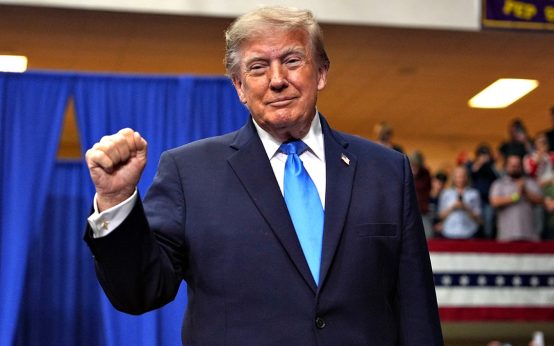 President Trump Unveils New Super Intelligence Force
  Supreme Court’s New Term Tackles Climate Liability and Key Legal Battles
  Midterm Elections: A Potential Turning Point
  Andy Burnham’s Approach to Address UK’s Economic Stagnation
  Midterms 2026: Key Insights and Voter Perspectives