U.S. Military Operations in the Strait of Hormuz
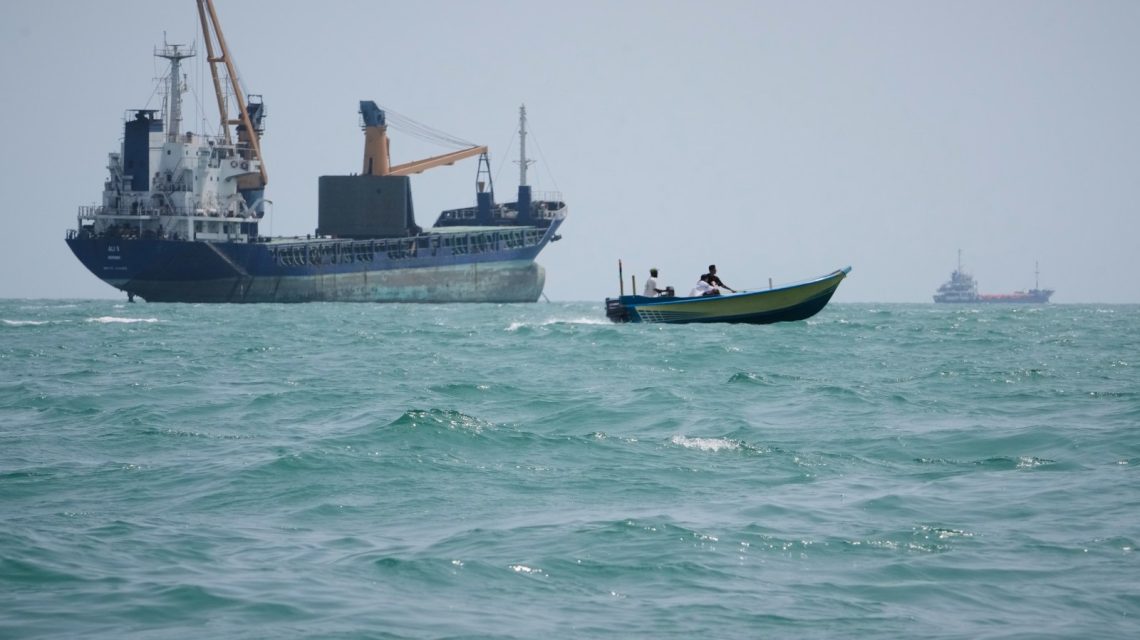
The U.S. military has redirected 100 commercial vessels over the past 60 days as part of a maritime blockade against Iran, focusing on the Strait of Hormuz. According to U.S. Central Command (CENTCOM), all vessel movements through the blockade require U.S. authorization, maintaining security amid stalled diplomatic efforts.
This narrow corridor is crucial for global petroleum and natural gas transit, making disruptions a threat to international energy markets and economic stability.
Broader Impact of the Blockade
The military’s efforts coincide with a strategy combining military enforcement with economic sanctions to limit Iran’s oil exports and regional influence. The conflict between the U.S. and Iran has intensified since late February, with the Strait becoming a global flashpoint.
Ongoing Diplomatic Efforts
Negotiations aimed at stabilizing commercial shipping in the region continue, though a formal agreement on shipping through the Strait is not yet expected. Discussions involving regional stakeholders are ongoing, with the aim of reducing tensions and restoring confidence in maritime traffic.
Security concerns remain elevated with reports of attacks on shipping and military strikes, alongside disputes between Washington and Tehran over strait access control.
Iran’s Position on Security
Iran advocates for regional countries, rather than external powers, to manage the Strait’s security. Iranian Foreign Ministry spokesperson Ismail Baghaei emphasized collaborations between Iran and Oman to ensure safe passage through the waterway.
Tehran perceives U.S. actions as military aggression, viewing its measures as self-defense, while remaining open to diplomatic solutions to protect its interests.
Effects on American Consumers
The conflict has significantly impacted oil prices, with ongoing disruptions causing crude prices to surge. Diesel prices have reached over $6 per gallon, affecting the cost of living due to increased transportation and production expenses.
Higher fuel costs are affecting various sectors, including agriculture, freight, and construction, with businesses already passing increased costs onto consumers.
Despite President Trump’s assurances that prices will fall post-conflict, the current situation hints at prolonged impacts on American consumers.
 Dutch Review Board’s Euthanasia Ruling and International Debate
  Israeli PM Commends Heroic Actions in Flight Emergency
  Rabbi and Jewish Leaders Criticize Adam Brody for ‘Genocide’ Comment
  Flydubai’s Emergency Landing Highlights Cockpit Security
  Former Israeli PM Naftali Bennett Commends Passengers and Crew for In-Flight Heroism
  Diplomatic Complexities Unfold at U.S. National Archives Visit