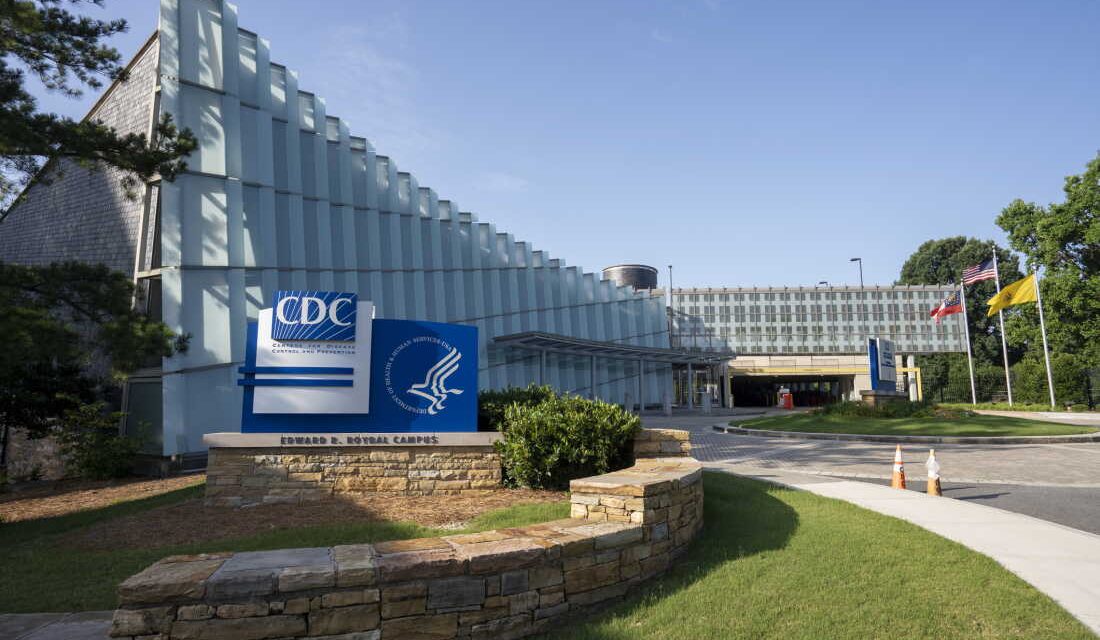
CDC and Public Health Challenges
The Centers for Disease Control and Prevention (CDC), headquartered in Atlanta, Georgia, faces a critical period as public health experts raise alarms about the agency’s handling of health information. The resurgence of measles in the United States, paired with declining vaccination rates, raises concerns about CDC’s reliability.
Controversial Handling of Measles Deaths
Dr. Demetre Daskalakis, former director of the National Center for Immunization and Respiratory Diseases, resigned to protest political interference at the CDC. His resignation reflects concerns about the agency’s response to deaths blamed on measles by Pennsylvania state officials. These deaths were removed from CDC’s website following scrutiny by Health and Human Services Secretary Robert F. Kennedy Jr., raising doubts about the adjudication of state-reported fatalities.
Trust Between Federal and State Agencies
Traditionally, the CDC relies on states to report the cause of death for measles cases. Kennedy’s questioning of these deaths and the CDC’s actions highlight tensions in federal-state relationships. Dr. Anne Zink from the Yale School of Public Health emphasizes the critical nature of these partnerships, which have suffered due to political pressures under previous administrations.
Implications for Public Health Data
Zink and others express concern about the potential suppression of data related to measles, flu, COVID-19, and RSV due to political pressures. As immunization rates fall, it’s crucial for federal health data to be reliable. Dr. Georges Benjamin of the American Public Health Association underscores the need for evidence-based national data to guide public action.
Challenges for New CDC Leadership
Dr. Erica Schwartz joined the CDC as director with the hope of restoring credibility in the agency. However, critics like Daskalakis argue that her response to the Pennsylvania measles cases does not instill confidence. Dr. Debra Houry, also a former CDC official, criticized Schwartz’s silence on declining vaccination rates.
The CDC and the Department of Health and Human Services declined to comment on these concerns, leaving many public health experts questioning the future effectiveness of the agency.
 Dining with Loved Ones May Benefit Blood Sugar Levels
  Urgent Need for Action in East Africa’s Food Crisis
  Facing Terminal Illness: Embracing Life’s Moments
  Eating with Partners May Impact Blood Sugar Regulation
  Foods Linked to Longevity and Healthier Aging
  Rethinking Youth Sports: Balancing Opportunity and Health