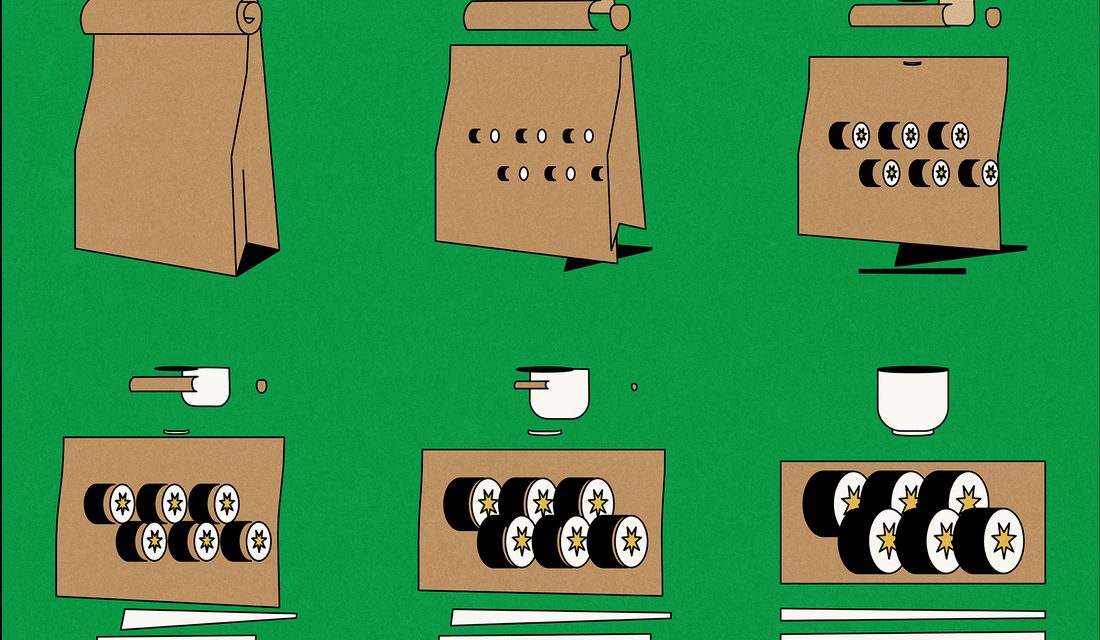
The concept of lifestyle inflation, also known as lifestyle creep, refers to the gradual increase in personal spending as one’s income rises. You might not realize it immediately, but suddenly, you find yourself spending more than anticipated. Common examples include the frequent use of subscription services, regular online shopping, or opting for takeout meals instead of cooking at home. These additional expenses often accumulate unnoticed, leading to unexpectedly high monthly bills.
Understanding Lifestyle Inflation
An increase in income, possibly due to career advancement, reduced expenses during the pandemic, or pooled resources with a partner, can lead to more disposable income. Instead of wisely investing or saving this extra money, many people allow the cost of their lifestyle to inflate.
Financial Management Tips by Paco de Leon
Paco de Leon, a writer, artist, and financial planner, offers advice on managing both finances and emotions to ensure personal growth rich in value and contentment.
Dynamic Savings Approach
As your earnings increase, it is crucial to raise your savings rate accordingly. Consider adjusting your savings based on your income level. Direct deposits into savings accounts can be arranged with employers to simplify this process and ensure regular savings.
Create a Buy List
To counter impulse purchases, compile a “buy list” of desired items. After a set period, such as a week or a month, reassess your interest in each item before making a purchase. This strategy helps in enjoying shopping experiences without succumbing to careless spending.
Occasional Indulgence
It’s acceptable to treat yourself occasionally. De Leon emphasizes that strict budgets can lead to stressful outbursts. By thoughtfully indulging, consider the emotional expectations tied to these purchases. Avoid falling into the hedonic treadmill, the relentless chase for happiness through material possessions.
Defining “Enough”
Lifestyle choices, both minor and significant, reflect the life you aim for. From small habits like daily coffee to ambitions for living in a single-family home, these decisions demonstrate personal expenditure limits. De Leon advises evaluating happiness without relying solely on consumerist measures, which seldom satisfy long-term fulfillment.
Focus on Mental and Emotional Well-being
De Leon states, “Our relationship with money mirrors our self-perception.” Negative emotions such as insecurity or jealousy can lead to unnecessary spending. Nurturing self-care enables more clear-headed financial decisions. Simple actions like ensuring proper rest, engaging in uplifting activities, and being around supportive individuals positively influence life satisfaction.
Through understanding how you want your life to feel daily rather than constantly pursuing material goals, you can reach a state where appreciation for what you have outweighs the aspiration for more.
 Embrace Failure: Turning Setbacks into Success
  Unusual In-Flight Behavior Leaves Passengers Stunned
 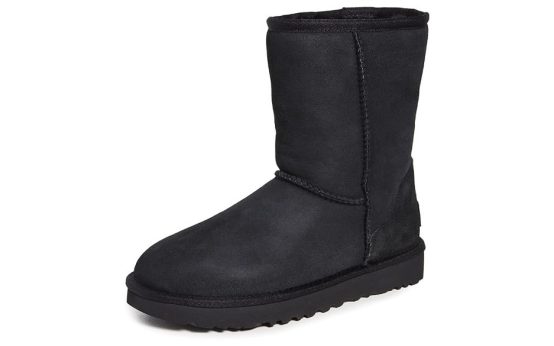 Choosing the Perfect Ugg Boots for Comfort and Style
  Understanding Food Safety: Tips for Preserving Groceries
  Royal Caribbean Cancels Costa Maya Stop, Divides Passenger Opinions
  Triton College Hosts Trunk-or-Treat in Space Event