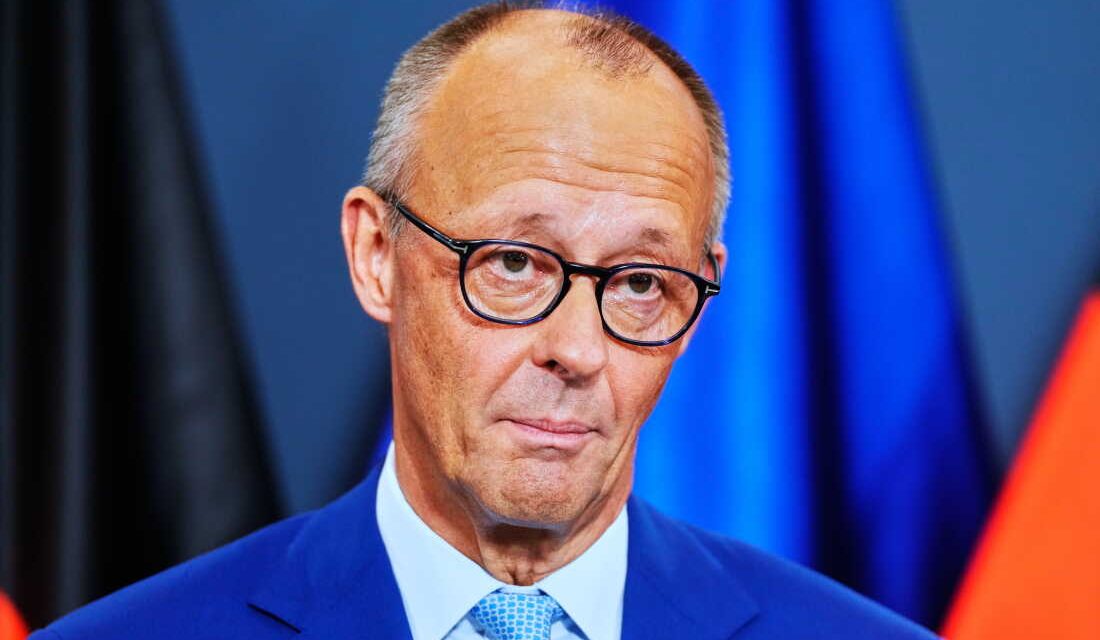
On September 20, 2026, German Chancellor Friedrich Merz addressed the media at the Christian Democratic Union (CDU) party headquarters in Berlin. This statement followed the party’s poor performance in two state elections.
Merz expressed his intention to remain in office despite the setbacks. He emphasized the government’s commitment to implementing challenging reforms crucial for Europe’s largest economy. Exit polls from public broadcaster ARD indicated the CDU received only 5% of the vote in Mecklenburg-Western Pomerania, marking its worst performance since World War II in any state election.
The anti-migration Alternative for Germany (AfD) party experienced significant gains in these elections. Merz acknowledged the CDU’s performance as a ‘disaster’ but maintained a firm stance. He insisted the country’s economic and political challenges necessitate more urgent reforms. He pledged to proceed with ‘backbone, steadfastness and patience.’
In Berlin, ARD’s exit poll projected the CDU to finish second at 20%, trailing behind the Left party at 24.5%. This situation further tested Merz’s leadership, already strained after the CDU’s defeat by AfD in the Saxony-Anhalt election on September 6.
The significant AfD victory in Saxony-Anhalt raised concerns among Germans who believed that the nation had moved beyond nationalism and racial superiority after learning from its Nazi history. The AfD’s strong showing and potential to establish the first far-right regional government since World War II have weakened Merz’s national standing.
Merz, who became Germany’s leader 16 months ago, had promised to revitalize an economy that has seen minimal growth over the years. However, he has struggled to boost the national mood and has seen his popularity decline. In recent weeks, there have been internal party calls for his replacement as chancellor, though no senior figures have publicly demanded his resignation. Many party members cautioned against engaging in ‘personnel debates.’
In a move suggesting he anticipated challenges post-election, Merz decided to cancel his planned trip to New York for the U.N. General Assembly. Despite the difficult circumstances, he reaffirmed his commitment to completing his chancellorship.
 Sen. Cotton Opposes Permanent Daylight Saving Time
  Steve Hilton’s Latino Outreach and Gubernatorial Ambitions
 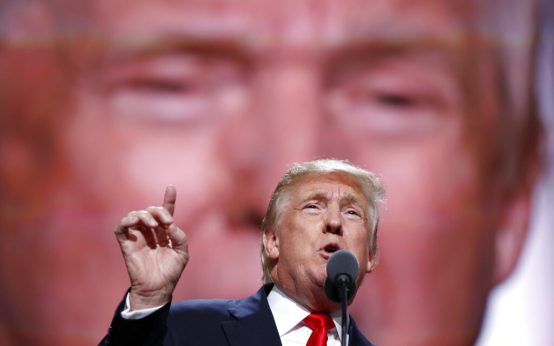 The Need for Reform in Presidential Nominations
  Controversy Surrounds Performances at Gillette Stadium
 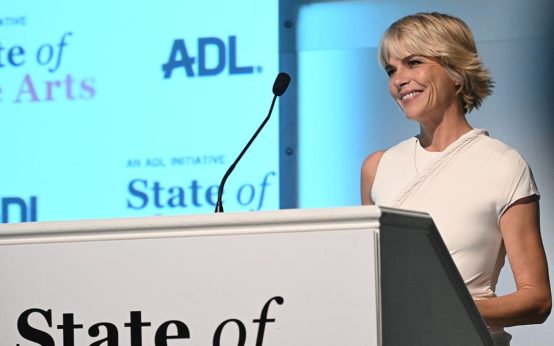 Celebrity Controversies Over Political Activism and Speech
 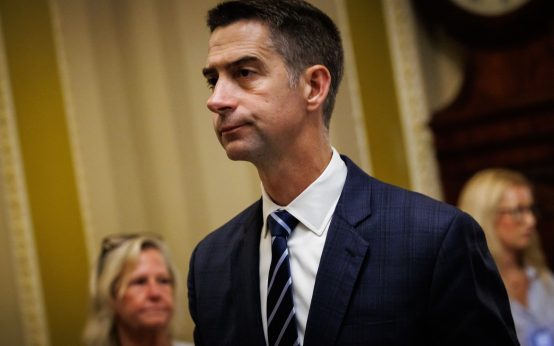 Trump Pushes for Permanent Daylight Saving Time, Sharing Senator’s Contact Information