Every election cycle, a familiar scene unfolds in Washington. The party out of power senses opportunity, while analysts hastily predict outcomes that seem inevitable by October. Yet, this confidence often overlooks the complexities of historical patterns. The key question for 2026 isn’t merely who will win, but what the victorious party plans to achieve. Over the past 80 years, the president’s party has lost seats in 18 out of 20 U.S. House midterm elections. This is known as the thermostat effect, where voters naturally seek balance by supporting the opposition, irrespective of the current party’s performance.
Turnout tends to exacerbate challenges for the party in power. Those who win initially often become complacent, while the opposition remains motivated and turns out to vote. Presidential elections present distinct visions; midterms often serve as a referendum on those in charge.
This year, Republicans defend a precarious position. Democrats require only five net seats to gain a majority. With Republican approval ratings falling below 45% for most of the year, they face a scenario that historically leads to significant losses for the president’s party. The political climate lacks clear precedent, with old strategies applied to a changing landscape. President Trump is only the second in U.S. history with nonconsecutive terms, following Grover Cleveland, who faced a significant loss after his initial re-election.
The Republican outlook appears hopeful due to major electoral map changes. Texas redefined its district lines to secure five more Republican seats. California, however, designed a map favoring Democrats. Other states like Missouri, Ohio, and North Carolina have moved right, while Utah’s court-mandated map favors Democrats. Virginia’s redistricting attempts were nullified. The Supreme Court’s decisions on Texas and California’s maps neutralized these changes, resulting in a slight Republican advantage overall. Although current forecasts show a Democratic lean, this is not definitive.
As voters approach the polls, they face the critical question: what are Democrats promising? Their campaign focuses on affordability issues like groceries, rent, and healthcare due to their significance and appeal. However, the difference between campaign promises and actual governance is evident in regions under Democratic control.
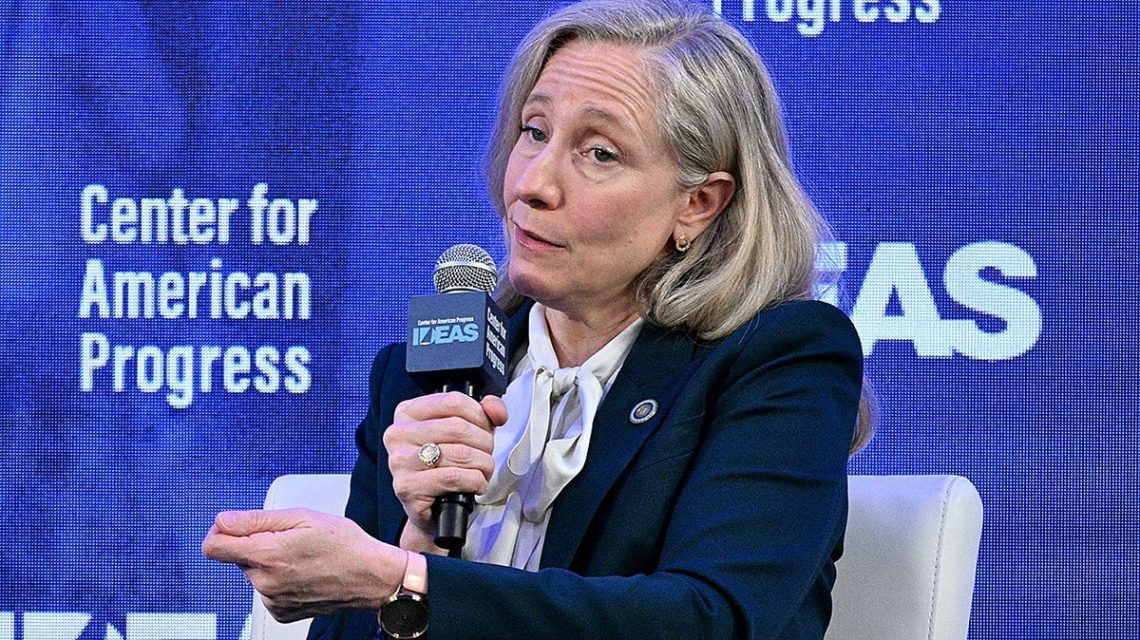
Virginia Democrat Gov. Abigail Spanberger, dubbed the ‘affordability governor,’ initially opposed redistricting citing a threat to democracy, yet later supported a gerrymander the state Supreme Court annulled. Additionally, she enforced a broad gun ban, now delayed by legal challenges until at least 2027. Meanwhile, the Justice Department seeks permanent annulment. None of these actions tackle immediate economic concerns.
In Michigan, Abdul El-Sayed’s Senate campaign prioritizes Medicare for All to reduce healthcare costs. When questioned about potential tax increases for those earning under $1 million, he acknowledged this trade-off as ‘worth making.’
The current electoral map slightly favors Republicans. Predicted models lean toward Democrats, but this is not assured. Democrats miss the crucial focus on everyday economic concerns that drive elections. Reports from CNBC, Fox News, and CNN confirm House Democrats’ plans if they regain control, centering on investigations targeting President Trump and his associates, rather than aiding citizens financially.
Historical patterns suggest a favorable year for the opposition party. However, history cannot predict how a party will wield power once gained. Democrats have signaled their intentions, and voters should stay informed.
Matt Schuck, an executive vice president at Tholos Government Relations, previously served as senior House aide and is a Trump administration alumnus.
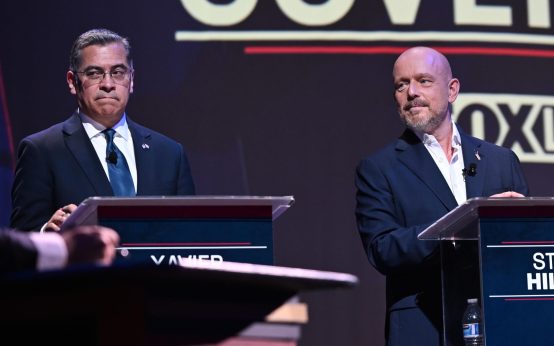 Becerra and Hilton Clash in California Gubernatorial Debate
  California Voters to Decide on $7.5 Billion State Research Fund
 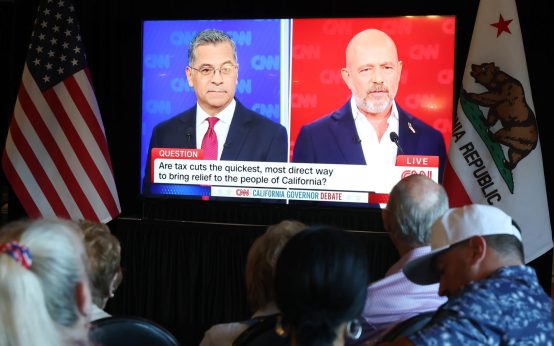 Highlights from the California Gubernatorial Debate: Becerra vs. Hilton
  Becerra vs. Hilton: The Debate and Key Issues in the California Governor Race
  Senate Confirms New Labor Secretary
  Hegseth’s Ambitious Military Initiatives to Reshape Warfare