
In 2024, the FBI initiated an investigation to explore allegations of pay-to-play interactions involving Sen. Susan Collins and a prominent donor, a former defense contractor. This contractor confessed to agents that his firm secured millions in federal contracts by financially supporting influential politicians’ campaigns. However, the return of Donald Trump to office led to the cessation of the investigation, impacting transparency regarding political practices in Washington.
In late 2019, Sen. Susan Collins faced a challenging election race. Her approval ratings were declining, and she was trailing her Democratic opponent in fundraising. The head of Collins’ super PAC, Scott Reed, was determined to bridge this fundraising gap. Reed met with executives from Navatek, a defense contractor. Collins had previously assisted Navatek in obtaining Navy research contracts in Maine. During a meeting, Reed requested a $500,000 donation from Navatek. This scenario spurred a deeper investigation.
Government contractors are prohibited from making political contributions, and offering donations in exchange for official action would be criminal bribery.
According to the testimony from Navatek’s CEO, Martin Kao, the company was looking for increased government contracts in Maine. By making a substantial donation, the CEO indicated that Navatek wanted Collins to secure more federal funding. They intended to disguise the donation through a shell company. Kao later sent $150,000 to Collins’ super PAC through this shell company. Subsequently, Collins purportedly committed to securing $32 million in naval contracts for Navatek.
In 2022, forced to reckon with mounting evidence, Martin Kao detailed his interactions with FBI agents, highlighting an extensive pay-to-play operation involving multiple Congress members. Despite his credibility being questioned due to his felony status, Kao’s narrative opened new investigative paths for the FBI. By late 2024, the agents had gathered sufficient evidence for a significant bribery probe involving top lawmakers. However, the political landscape shifted radically after Trump’s re-election.
Under Trump’s administration, the Justice Department refrained from diving deep into public corruption cases, including one sparked by Kao’s confessions. This move closed a potential exposé on the transactional nature of Washington politics, leaving Kao’s allegations largely unaddressed.
Kao further implicated Collins in the pay-to-play narrative, providing evidence of transactions that seemingly exchanged cash for politically favorable legislative outcomes. The senator’s office, however, rebuffed the allegations vigorously, denying any improper conduct and cooperation with the FBI during prior inquiries.
Despite the complexity surrounding these allegations, and the broader implications of bribery accusations in accordance with narrowed Supreme Court definitions, key claims remained scrutinized. This series of articles based on investigative work underpin the challenges in tangibly addressing corruption allegations amidst political maneuvering and partisan reshuffling at the federal level.
Navatek’s involvement spans beyond Collins, implicating a range of politicians and lobbyists who allegedly facilitated financial transactions for favorable legislative and contract outcomes. The scheme emphasized stashing lobbying funds within government contracts and fostering congenial relationships with appropriations committee members for legislative manipulation. The intricate system turned lobbyists into intermediaries fostering political support contingent upon donations.
The investigation tapped into layers of governmental contracting obscurities revealing a playbook that deftly maneuvered financial transactions through political intermediaries, culminating in legislative stipulations beneficial to Navatek. Leveraging relationships with congressional staff, the company purportedly influenced military budgets through nominal competition, exploiting bureaucratic complexities.
Ultimately, systemic vulnerabilities within congressional appropriations were exposed, leading entities to capitalize on ambiguities within defense budgets for strategic expansion. While this investigation initially promised substantial revelations within the realm of defense contracting and political donations, subsequent political dynamics led to its premature closure.
 USCIS Raises Immigration Fees
 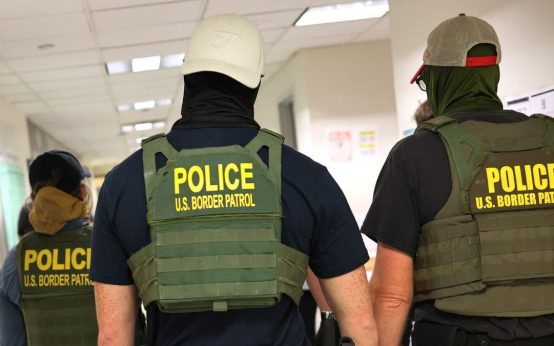 The Surveillance Threat to U.S. Federal Agents
  Trump Administration Distributes ACA Refund Checks
 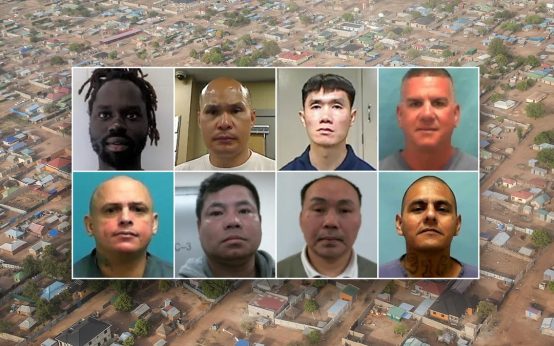 Trump Administration’s Approach to Illegal Alien Deportations
  New Jersey Voter Fraud Prompts Renewed Push for SAVE Act
  Concerns Over Changes to Voter-Registration Form for Americans Abroad