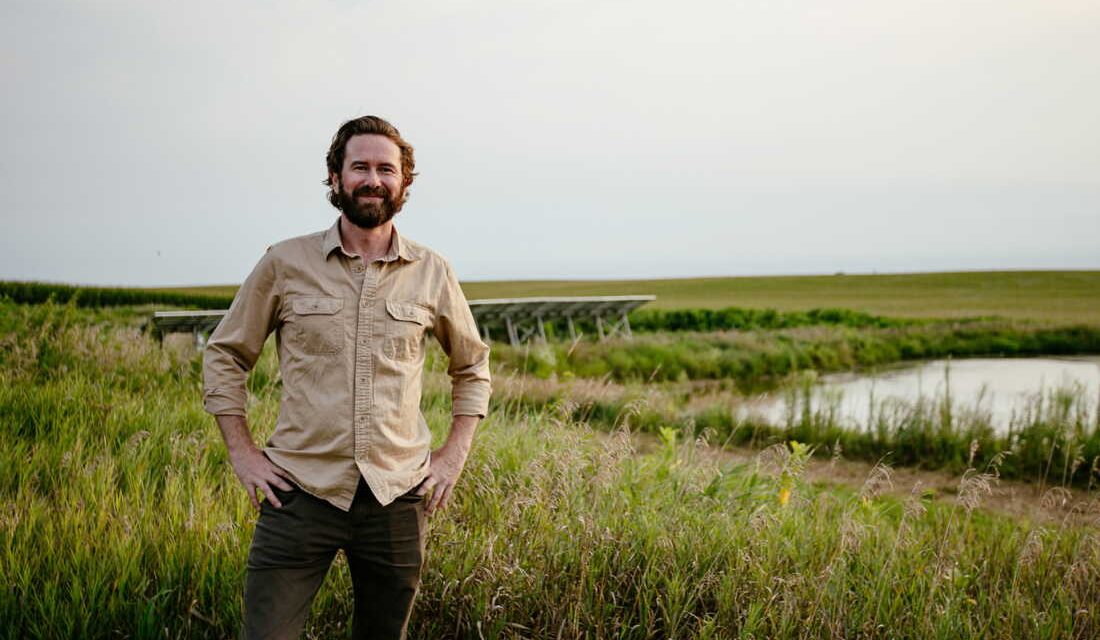
In central Iowa, Tanner Faaborg and his family have embraced a new chapter in farming. Their venture, 1100 Farm, focuses on growing specialty mushrooms inside retrofitted barns. This marks a significant shift from their past as a hog operation.
Transition to Mushroom Farming
The Faaborgs grow mushrooms such as lion’s mane and market them as tinctures, in coffee blends, and as flavored salts. The family converted part of their hog barns into fruiting rooms where mushrooms thrive in controlled conditions. Tyler Faaborg notes that making their own mushroom blocks has been cost-effective. These blocks consist of equal parts soy hull and hardwood pellets.
Partnering with Transfarmation
The Faaborgs received support from The Transfarmation Project, backing their transition with technical expertise and financial aid. This organization helps farmers move away from industrial animal farming towards sustainable practices. Transfarmation provides resources like open-source blueprints for repurposing barns and a network of experts.
“We’re finding ways to repurpose the infrastructure that the farmers already have,” explains Katherine Jernigan, director of the project.
In converting a 200-foot hog barn, the Faaborgs’ efforts were successful, turning their farm into Transfarmation’s second demonstration hub in the U.S. The farm serves as a resource and model, helping other farmers see the potential of sustainable agriculture. Shared data includes costs, labor, and product margins, providing transparency and guidance.
Challenges and Successes
Tanner Faaborg, who proposed the idea, hopes the farm will demonstrate viability. Despite initial skepticism, his brother Tyler also embraced the new direction. The family received funding to kickstart their mushroom project and are tracking their progress, sharing insights with the Transfarmation network. They plan to expand production and explore additional ventures like microgreens.
A Legacy of Change
Having moved away from traditional pig farming, the Faaborgs focus on environmental sustainability. The conversion of a manure pit into a pond is a symbol of their commitment. The area now attracts wildlife and offers a tranquil space for enjoyment.
Rand Faaborg, who once juggled welding and pig farming, appreciates the shift. He recalls the challenges of managing manure, which is now replaced by a thriving ecosystem. The family continues to foster biodiversity by planting native flora, enhancing water quality, and creating wildlife habitat.
Tanner Faaborg envisions 1100 Farm as a place that offers educational opportunities and collaborates with the community. Although there are many projects ahead, his vision includes expanded integration of trees and sustainable crops, hoping to inspire others to follow.
 Senators Reach Bipartisan Agreement on Permitting Reform
  Experts Warn of Critical Period for the Colorado River
  Future Cities: Ambitious Projects Aiming for Innovation and Sustainability
  Supreme Court Case Suncor vs. Boulder: Implications for Accountability in Climate Change
  Hawaii Faces Impact of Record El Niño Through Recent Hurricanes
  OpenAI’s Delay of GPT-6.1 Astra Driven by Security Concerns