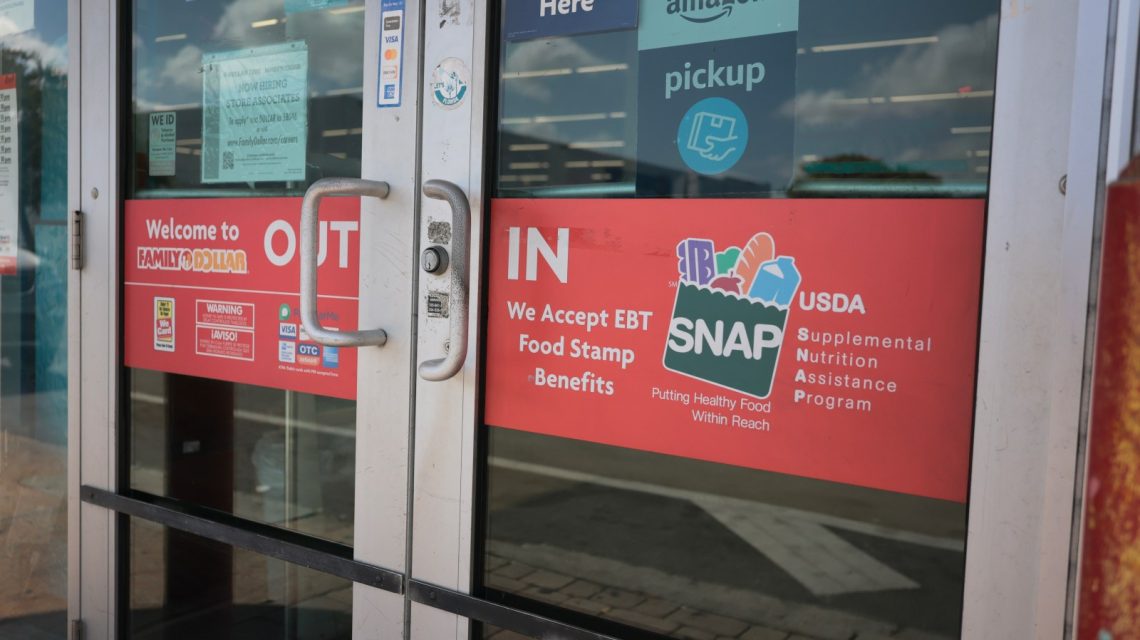
Significant changes are underway for millions of Americans who depend on government safety net programs due to new rules from President Donald Trump’s budget law, set to take effect next month. The reforms impact the Supplemental Nutrition Assistance Program (SNAP) and Medicaid, the health insurance program for low-income individuals. Experts believe these changes could enhance accountability and decrease federal spending, but they may also lead to increased difficulties for vulnerable households and shift billions in costs to states.
Importance of SNAP and Medicaid
SNAP benefits over 40 million people monthly while Medicaid offers health coverage to millions of low-income Americans and those with disabilities. Starting on October 1, several new rules established in the One Big Beautiful Bill Act will be implemented, creating substantial financial strains on states, along with new eligibility criteria for many beneficiaries.
States to Pay More for SNAP Administration
From October 1, the federal share of SNAP administrative costs will decrease from 50% to 25%, putting states in charge of 75% of program costs. This adjustment comes from the One Big Beautiful Bill as implemented by the U.S. Department of Agriculture. The change affects expenses like caseworker salaries, fraud prevention, and tech platforms. State officials voice concerns that this shift may lead to tough budget choices. Even though benefits aren’t directly cut, states may reduce staff, potentially delaying enrollment processes.
Upcoming SNAP Cost-Share
Starting October 2027, states with payment error rates surpassing federal limits must contribute toward SNAP benefits costs, which has previously been funded entirely by the federal government.
Medicaid Eligibility Tightens for Some Immigrants
October 1 will also see considerable Medicaid eligibility changes for many legal non-citizens. According to guidance from the Centers for Medicare & Medicaid Services (CMS), full-scope Medicaid funding will be mostly limited to U.S. citizens, lawful permanent residents, Cuban-Haitian entrants, and citizens of Compact of Free Association nations. This could result in loss of federally funded Medicaid coverage for refugee and trafficking survivors unless states use their funds for alternative coverage. Emergency Medicaid coverage will remain available, and states may continue providing specific coverage for eligible children and pregnant individuals under federal law.
Introduction of Medicaid Work Requirements
Another major Medicaid change involves imposing work requirements on certain adults aged 19 to 64, to take effect in January 2027. These requirements entail completing at least 80 hours per month of activities like employment, job training, education, or community service, to keep Medicaid eligibility. This rule aims to boost workforce participation and maintain Medicaid for the most vulnerable. CMS Administrator Mehmet Oz mentioned the rule encourages Americans to enhance skills and independence through work, promoting new opportunities. Nevertheless, this policy could result in lost benefits, leading to adverse health outcomes and increased debt for those struggling. Critics warn that these policies might cause complications due to administrative barriers, resulting in benefit loss rather than financial self-improvement.
Impact on SNAP and Budget Concerns
Feeding America regards the One Big Beautiful Bill Act as one of the profound SNAP reductions in years, raising concerns that state cost hikes might strain budgets and diminish food assistance access. Claire Babineaux-Fontenot emphasized this legislation exacerbates the rising food insecurity crisis, impacting millions including children, seniors, veterans, and individuals with disabilities.
Future Changes for SNAP and Medicaid
SNAP administrative cost adjustments and Medicaid immigrant eligibility restrictions are set for October 1. Legislation supporters assert these changes will promote employment and reduce improper enrollment, targeting Medicaid resources effectively. However, challenges arise as affected beneficiaries already work or fulfill requirements, and additional reporting might result in coverage loss because of administrative technicalities, independent of one’s employment.
 Patrick McEnroe Advocates for Collegiate Athletic Reform
  Push for Reparations Faces Challenges and Calls for Strict Eligibility
  Texas Man Arrested for Threatening State Capitol Attack
  The Key Debate Between Xavier Becerra and Steve Hilton: What You Need to Know
  Physicians Urge Senate to Reject FDA Nominee
  Trump’s Executive Order to Combat Mosquitoes and Ticks in D.C.