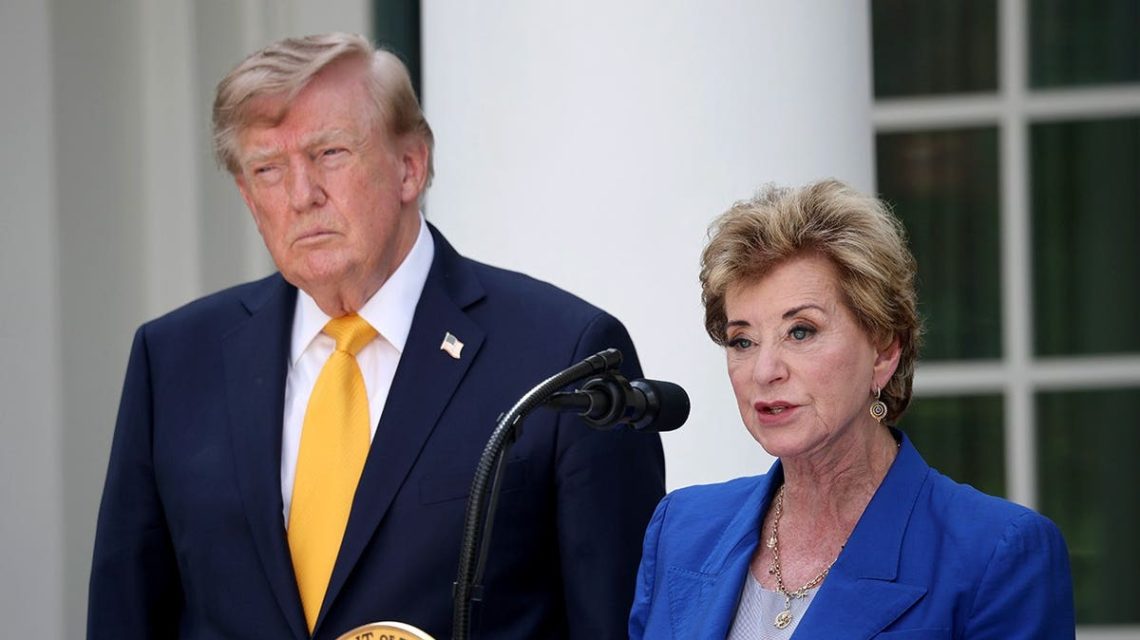
Democratic governors, traditionally opposing school choice initiatives, are now under increasing pressure to align with President Donald Trump’s Federal Scholarship Tax Credit (FSTC) program. This development follows New York Governor Kathy Hochul’s move to formally participate in the program, as indicated by a top Department of Education official. Lindsey Burke, deputy chief of staff for policy and programs at the U.S. Department of Education, mentioned that this pressure is likely to influence all states to join.
The push comes after the Department of the Treasury and the Internal Revenue Service proposed regulations on October 1, 2023, to implement the program, establishing a nationwide school choice framework. The initiative, also called the Education Freedom Tax Credit, permits taxpayers to receive a federal tax credit for donations to non-profit scholarship-granting organizations. However, participation requires the state governors’ approval for residents and local educational bodies to benefit.
The IRS reported that over half of the U.S. states opted into the program. Burke emphasized the competitive pressure on blue states to capture private donations through this program. She explained that without opting in, states like California might see funds donated elsewhere, leaving their students without benefits.
Education Secretary Linda McMahon pointed out that some Democratic leaders’ resistance stems from the program being linked to Trump. For instance, Kentucky Gov. Andy Beshear initially opposed it, concerned it might divert resources from public education. However, the state legislature overridden his veto, and Kentucky formally joined.
The tax-credit scholarships differ from traditional vouchers by allowing redirection of federal tax liability to fund scholarships. The decision to opt into the federal framework is left to state governors, enabling local families to access scholarship dollars.
Sydney Altfield, CEO of Teach Coalition, noted the financial incentive for blue state governors, describing the opportunity as one not to be ignored. Colorado Gov. Jared Polis exemplified this by joining the program in 2025, advocating the benefits for families such as tutoring, after-school programs, and summer enrichment.
New York’s Governor Kathy Hochul, through a spokesperson, confirmed plans to opt the state into the program, marking the 30th state’s participation. Her office awaits further information to ensure the policy does not harm New York’s education system. Despite Hochul’s intent, labor groups and teachers’ unions express opposition, concerned about tax dollars aiding private tuition.
For many years, school choice has been contentious among Democrats, who argue it weakens public schools and undermines labor unions. However, increasing demand for alternatives like charter and private schools post-COVID-19 has led some Democrats to reconsider.
Trump’s school choice program emerges as big blue city districts face challenges in retaining students. Altfield reinforced Burke’s points, emphasizing the financial and educational opportunities this program offers to struggling families.
 Reevaluating Sexual Consent and Gender Dynamics
  Navigating School Year Challenges and ‘The Talk’ on Safety
 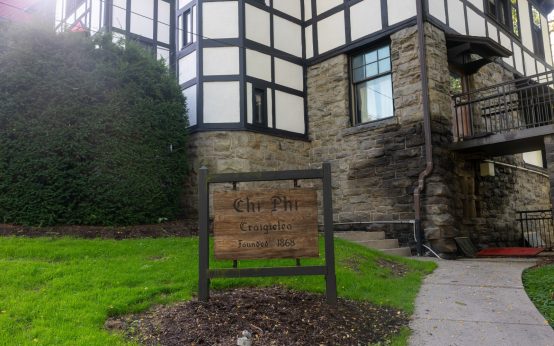 Former Cornell Instructor Discusses Sexual Harassment Allegations
 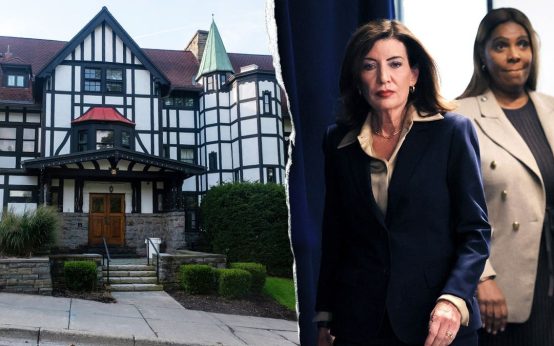 Cornell University’s Sexual Assault Allegations Spark Legal Battles and Investigations
  Larkin High School Unveils First Outdoor Sports Stadium
  Cornell University Fraternity Faces Allegations in Sexual Assault Case