
With just under a month until the midterm elections, Democrats are in a strong position, holding their largest advantage of the cycle. NBC News’s polling average shows a 9-point lead for the Democrats on the generic ballot. Nate Silver’s tracker and RealClearPolitics’s aggregate also reflect this lead.
Prediction site Kalshi indicates a 62 percent chance for Democrats to win both chambers. Analysis by the New York Times of Senate battleground states indicates Democrats are more motivated than Republicans. Compared to 2022, there was higher Democratic turnout in 17 of 22 states with contested primaries for governor or Senate, while Republicans saw lower turnout in most contests. This trend is evident in both red and purple states.
In Michigan, nearly 600,000 more Democrats voted than Republicans. In Texas, Democrats surpassed Republicans by 150,000 votes, marking a significant shift from 2022.
Concerns among voters about Republican policies are contributing to this Democratic polling lead. Inflation remains a major issue, with consumer prices rising 3.4 percent year-over-year for August, overtaking wage gains. Gasoline prices are over $4.40 per gallon, 30 percent higher than the previous year. Diesel prices, vital for transportation and farming, have reached historic highs, affecting food and goods costs.
Mortgage rates are climbing, keeping housing out of reach for many Americans. Americans currently have a bleak view of the economy, with September’s consumer sentiment index from the University of Michigan falling to its second lowest point since 1952.
President Trump’s approval ratings remain low, at 39 percent overall and 29 percent among independents, according to Emerson polling. This situation provides Democrats with an opportunity to run on these issues. The grievances voters have are valid and widespread, presenting vulnerabilities for the Republicans that Democrats have highlighted.
Still, questions linger for Democrats about their future plans. If they do win, strategizing for 2028 becomes crucial as their current advantage seems rooted in protest votes rather than solutions.
A plurality of independents, 46 percent as per NBC, indicated their midterm vote is an opposition signal to the president. Democrats’ favorability remains worse than the Republicans, at a net negative 21 points compared to Republicans’ net negative 13 points. Despite being on the verge of winning, Democrats still face popularity challenges.
Concerns about branding emerge, as seen with Adam Hamilton, a Senate nominee in Kansas, who has expressed reluctance in involving former Vice President Kamala Harris in his campaign. He seeks crossover votes in a state that hasn’t elected a Democrat to the Senate in over 90 years. Similar sentiments are echoed by Democrats in other key states.
The Democrats’ advantage relies partially on factors beyond their control, like Trump’s policies, inflation, and affordability issues. However, they lack a clear agenda addressing these, similar to the Republicans’ 1994 “Contract with America” or Democrats’ “Six for ’06” plan.
Typically, midterms focus less on proactivity; Democrats previously gained 41 House seats in 2018 focused mainly on Affordable Care Act protection, while Republicans gained 63 seats in 2010 due to dissatisfaction with President Obama.
The upcoming democratic victory is not hinged on a unified direction or standard bearer amidst internal ideological divides. Winning both chambers won’t enable extensive action on campaign promises. They might stall Trump’s legislative priorities, but he often bypasses Congress, and Democrats might be blamed for any legislative dysfunction.
Voters focused on costs and inflation will scrutinize the new majority based on those factors, which the Democrats might find themselves unable to effectively address.
If hearings on impeachment dominate their majority by mid-2027, any previous momentum could falter well before the 2028 election cycle begins. As Trump enters a lame-duck status, neither party can unite solely around opposing him.
A Democratic victory based on exploiting opposition offers no clear mandate. An electoral win this November may delay, but not resolve, the intra-party debates between progressives and moderates.
November looks promising for Democrats due to voter frustration with the president, likely granting them the Speakers’ gavel. Yet, securing the White House in 2028 will require convincing voters why they should lead, apart from discrediting the other party’s trustworthiness.
Douglas E. Schoen and Carly Cooperman, partners at Schoen Cooperman Research in New York, co-authored “America: Unite or Die.”
Copyright 2026 Nexstar Media Inc. All rights reserved. This material may not be published, broadcast, rewritten, or redistributed.
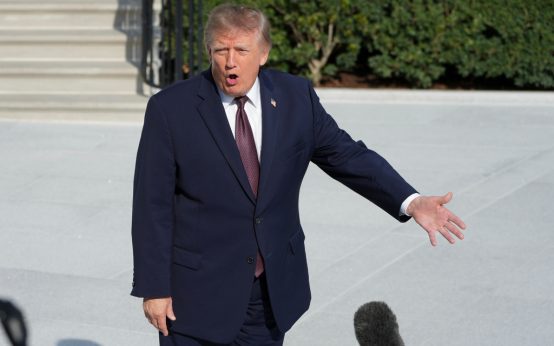 Trump’s Use of Public Funds for Political Ads Sparks Controversy
  Dennis Hastert’s Legacy: From Political Leader to Controversy
  Tensions Within the Trump Administration Highlighted by Policy Reversals
 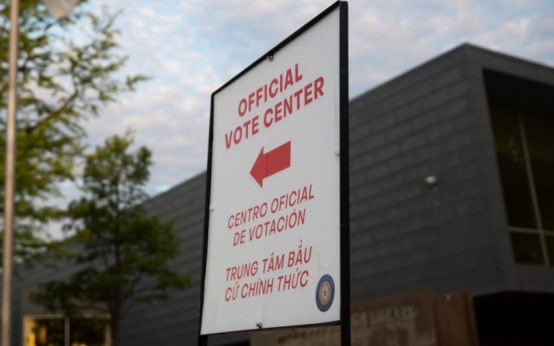 Democrats Strategize As Midterm Elections Approach
 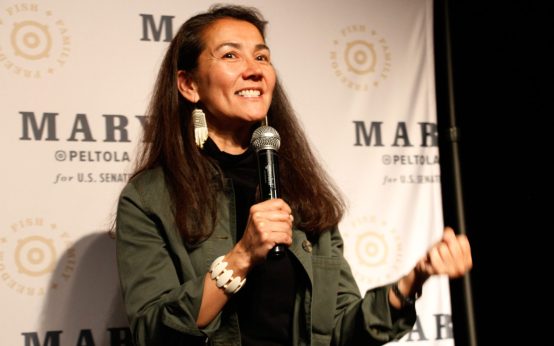 Mary Peltola Emerges as Leading Candidate in Alaska Senate Race
  Beni Rae Harmony Joins Trump’s Communications Team Amid Controversy