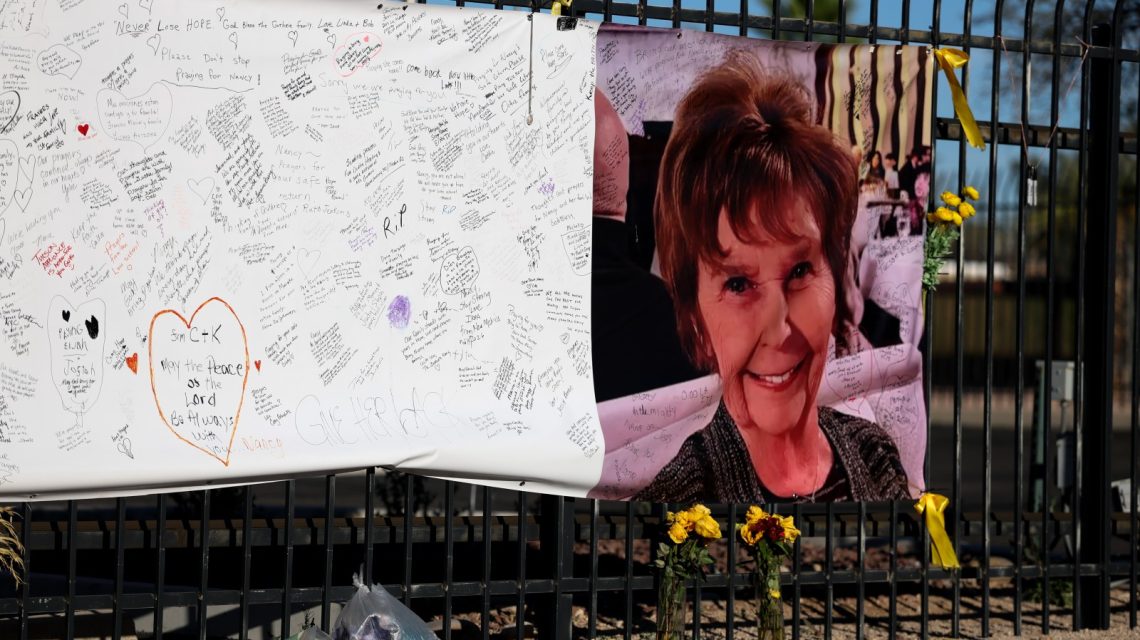
Former FBI agent Jennifer Coffindaffer disclosed to Newsweek her receipt of four ransom notes related to Nancy Guthrie’s disappearance. Coffindaffer believes scammers are exploiting the widespread public interest in Guthrie’s case. She received four emails over two days on a personal email account, demanding bitcoin payments for Guthrie’s return. One email included an AI-generated image of Guthrie, reported missing in early 2026. Coffindaffer did not respond and reported the emails to the FBI.
Connection to Neighbor’s Experience
Coffindaffer decided to share her experience because she believes the same individual contacted Nancy Guthrie’s neighbor, Lauren Serpa. Serpa received a ransom demand in September claiming Guthrie was alive in Mexico. The Pima County Sheriff’s Department found this note not credible.
Anyone “who receives a text message or other communication related to Nancy Guthrie is encouraged to report it to law enforcement,” stated the sheriff’s department.
They urged people not to send money or share personal details following unsolicited messages. The investigation into Guthrie’s disappearance remains active. Reports like Coffindaffer’s are being reviewed for credibility.
Guthrie’s Disappearance
Nancy Guthrie, mother of Today host Savannah Guthrie, disappeared from her Tucson, Arizona home on January 31. She was reported missing the next day. Authorities suspect abduction due to blood traces near her doorstep. Surveillance footage released showed a masked person at Guthrie’s home, but no suspects have been identified after months.
Details of the Emails
Newsweek reviewed the emails sent to Coffindaffer. Messages arrived at her personal email, which uses a name she barely shares. The initial email, received on April 10, featured an AI-generated image of Guthrie. The following emails demanded payment in bitcoin, included biblical references, and had a QR code for payment.
Coffindaffer found the AI-generated images in the emails differed from known images of Guthrie and noted similarities with a fake video sent to Serpa. Coffindaffer identified matching bitcoin wallet addresses between her messages and Serpa’s notes, though Newsweek could not confirm this.
Why Coffindaffer Was Targeted
She believes the messages targeted her due to her public advice to Guthrie’s family to potentially expose the ransom sender’s identity by engaging them. Coffindaffer had suggested the tactic might trigger revealing behavior from the scammers. The messages, however, only appeared to seek financial gain.
Coffindaffer always doubted the emails were from Guthrie’s actual captors. Discussions with the FBI led them to view the messages as extortion attempts.
Broader Impact of Fake Notes
Organized fraudsters often prey on families amidst missing person cases. They exploit emotional vulnerability to generate income. Coffindaffer highlighted the risk these scams pose, urging recipients to report them to the FBI.
Coffindaffer referenced a case where Derrick Callella, a California man, avoided prison despite harassing Guthrie’s family with fake ransom notes. This showed a problematic precedent in handling such cases legally.
Earlier Incidents
As Guthrie’s case reached six months, authorities released early ransom notes hoping to identify the sender through writing style. One such note demanded millions in bitcoin, threatening harm to Guthrie. A detailed knowledge of Guthrie’s home suggested the sender had access to the scene.
The FBI noted that while many ransom attempts in this case were fraudulent, some demands remain under investigation. The efforts to solve the mystery of Guthrie’s disappearance continue.