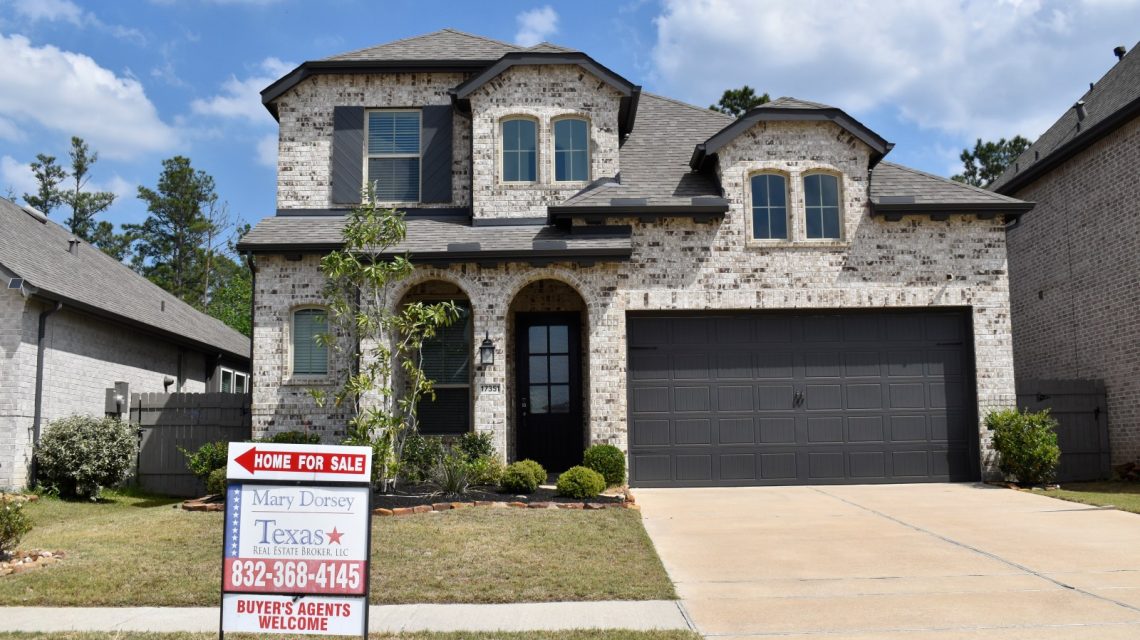
The impending “silver tsunami,” a substantial transfer of wealth anticipated when baby boomers downsize, sell, or transfer their homes to relatives, is expected to alleviate the country’s housing shortage. However, it may also introduce new challenges, as per expert predictions.
Projected Changes in Housing
Over the next decade, roughly 13.9 million homes currently held by baby boomers and the Silent Generation are likely to change ownership, according to Realtor.com’s Generational Housing Succession report. If about 45% of the 1.27 million homes predicted to be released next year enter the market, this alone could restore annual for-sale listings to pre-pandemic figures. This is a feat only a few southern states have achieved in recent years, potentially addressing the current housing shortage.
Presently, the real estate release has started slowly, not as a single surge. Inherited properties constituted a record 7% of all U.S. property transactions in the year ending August 2025, involving 340,000 properties, based on data from Cotality. Almost 60% of sellers during this period were aged 60 or older.
“Generational succession is not new. It’s been occurring for years, and past activity is evident in today’s housing inventory,” said Jiayi Xu, senior economist at Realtor.com. What’s different now is the scale, with a projected 33.7% increase in property release compared to the past decade, marking an acceleration rather than the continuation of the status quo.
Impact on Housing Market
The handover of homes is poised to contribute significantly to the market, offering relief to future homebuyers, though it will take time. The effect will also fluctuate considerably across different segments and locations.
Geographical Disparity
The expected turnover in housing may increase for-sale inventory in regions less equipped to assimilate it. Markets with stagnant population growth and limited migration may face housing oversupply risks. A NAHB study highlights Pittsburgh, Buffalo, and Rochester as markets where turnover could exceed new demand due to an older population coinciding with slower growth.
Notably, senior homeowner concentration is highest along coastal areas and warmer regions in the U.S., particularly in the southern East Coast. Florida features prominently with several areas having significant shares of senior homeowners, such as Wildwood-The Villages, where 68.2% of homes belong to Americans over 65.
Type of Homes Released
Few homes expected to reach the market from boomers will be “starter homes.” Only about 380,000 homes set to be released will have two or fewer bedrooms. Over 70% will be larger, family-oriented homes, which does not align with the country’s need for affordable starter homes.
The lack of starter homes has become prevalent, unable to meet the demand from first-time buyers and older demographics downsizing or buying for the first time later in life. Current data shows approximately 30% of buyers of starter-sized homes are over 60.
Potential for Market Adjustments
A “second channel” might support first-time buyers through the “silver tsunami.” As larger homes are sold, existing starter-home owners could move up, freeing their homes. However, this process will take time, and inheritance is not expected to sufficiently address the starter-home shortage, with an estimated rate of 16.9% in 2025.
Anticipated Delays in Property Release
Many boomers are likely to remain in their homes longer, gradually contributing more properties to the market. High mortgage rates, currently above 7%, and the sluggish housing market might delay home releases from older generations.
“High mortgage rates might postpone home release by the aging population, as older individuals often keep smaller, paid-off homes longer,” Xu explained. These rates also deter younger generations from buying, compounding issues in generational housing transfer.
Moody’s reports that 75% of Americans aged 50 and above wish to stay in their homes as they age, potentially increasing demand for accessibility upgrades rather than growing the for-sale inventory. Recent attendance data suggests an eagerness to stay, with U.S. senior housing occupancy reaching 90% in early 2026, the highest since at least 2005.
 Navigating the Challenges and Opportunities of Condo Ownership in California
  Understanding Alaska’s Housing Shortage Amidst Stagnant Population Growth
  Navigating Los Angeles Real Estate on a Budget
  Mortgage Rates Return Above 7% After Twenty Months
  Inland Empire Grapples with Growing Housing Affordability Concerns
  Challenges in Los Angeles’ Multifamily Housing Market