
President Trump recently canceled $810 million in spending that Congress had authorized, further undermining Congress’s fiscal authority. His actions, from funding freezes to engaging in unauthorized wars, aim to seize powers constitutionally granted to Congress.
The Government Accountability Office opposed this recent decision. Now, Congress appears increasingly resistant. Bipartisan discussions are reportedly underway to modify future spending bills to prevent similar occurrences.
Reasserting Congressional Authority
History offers guidance on reclaiming congressional power. The Constitution designates Congress as the decision-maker for taxpayer expenditures. While executive-legislative tensions on funding persist, Trump’s approach breaks established norms. This recalls the 1970s, when President Nixon withheld billions in approved spending. Congress responded with the Impoundment Control Act, asserting that presidential spending of allocated funds is typically mandatory.
Yet, loopholes in this law have allowed presidents to justify funding freezes. During Trump’s second term, attempts to withhold or delay billions in funding escalated. Courts have often intervened, mandating the release of funds. However, Congress needs proactive measures to enforce power limits on presidents.
Reforming the Impoundment Control Act
Congress should overhaul this Act to remove vagueness that permits fund withholding. Enhancing oversight mechanisms could ensure proper fund usage. Additionally, Congress should limit presidential use of private funds for projects, preventing bypass of formal appropriation processes.
Strengthening War Powers Oversight
Congress also needs to reestablish control over war powers. The Constitution grants Congress, not the president, authority over military roles and war declarations. The War Powers Resolution was introduced post-Vietnam War, requiring presidents to involve Congress in military action decisions.
This law mandates presidential notification of new military actions within 48 hours and cessation of operations within 60 days unless authorized by Congress. Despite these provisions, the Resolution has fallen short in controlling unauthorized conflicts.
President Trump initiated unauthorized hostilities in several countries despite congressional opposition. It took months for Congress to attempt to halt the Iran conflict. Experts suggest narrowing the 60-day limit, clarifying terms like “hostilities,” and including judicial review to address legal misinterpretations.
A Call for Congressional Action
In the 1970s, Congress legislated to counter presidential overreach, as noted by former Congresswoman Elizabeth Holtzman. Decades later, Congress faces similar challenges amid executive overextension. It is now vital for Congress to reclaim its rights on spending and warfare to serve as an effective legislative branch.
Maya Kornberg, a senior research fellow at the Brennan Center for Justice and the author of “Stuck: How Money, Media, and Violence Prevent Change in Congress,” highlights the urgency for Congress to reassert its constitutional role in governing.
 Trump Administration Blocks Tech Firms From Green Card Applications
 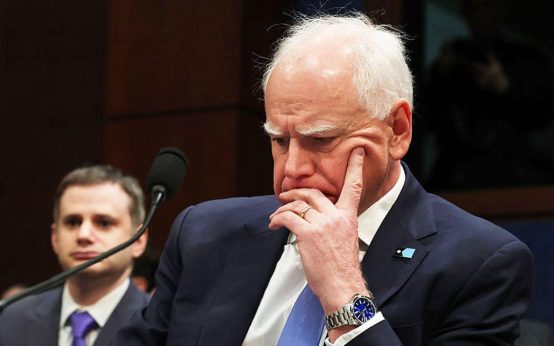 Minnesota Medicaid Audit Sparks Political Debate
 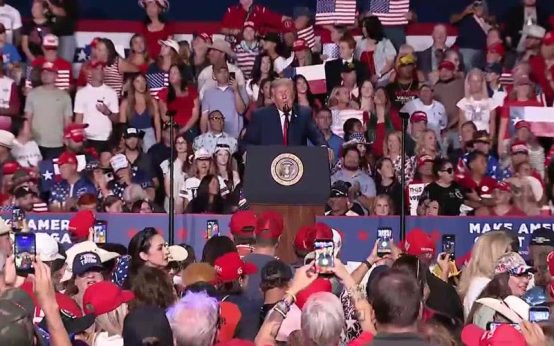 Hecklers Disrupt Trump Rally in Texas
  Olivia Rodrigo’s Political Stand at Daisy Chain Fields Music Festival
  Balancing Development and Conservation: The Endangered Species Act Debate
 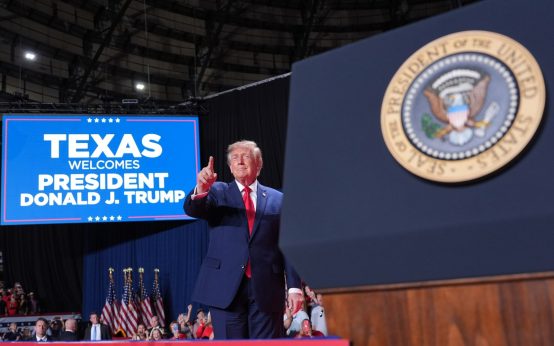 Trump’s Remarks About Iranian Missiles Stir Criticism